
Srinagar, Oct 27 (NVI): A Kashmiri Pandit activist has been arrested in connection with threat letters circulated in August that triggered panic among Kashmiri Pandit employees in the Valley and prompted hundreds of government recruits to stay away from work for nearly three weeks, officials said.
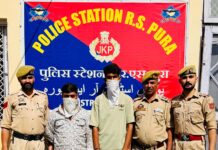
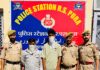
Rakesh Handoo was arrested by a Baramulla Police team from Faridabad in Haryana on October 17 over his alleged involvement in the case. He has been booked under the Unlawful Activities (Prevention) Act (UAPA) and cyber-related provisions, according to the information available.
Inspector General of Police Sujit Kumar said police had gathered “substantial and serious clues” regarding Handoo’s alleged involvement in the case. The allegations are under investigation, and his guilt has not been established.
The threat letters, which reportedly carried the names and contact details of Kashmiri Pandit employees, had triggered widespread concern among members of the community, particularly those recruited under the Prime Minister’s special employment package.
Amid security concerns, hundreds of employees were placed on administrative leave and asked to remain away from their workplaces for nearly three weeks.
The case emerged against the backdrop of threats and targeted attacks on migrant workers during July and August, following which authorities launched a major crackdown. More than 3,000 people were arrested as suspected overground workers (OGWs), a term used for individuals allegedly providing logistical or other support to militants.
According to the grounds of arrest served on Handoo’s wife on October 17, the case involves a non-bailable offence. Police had registered an FIR on September 21 and directed Handoo to appear before them in Baramulla on September 26. Sources cited in the account said he failed to appear despite repeated summons.
Handoo has been active in Kashmiri Pandit affairs and had unsuccessfully contested the 2008 Assembly election against National Conference president Farooq Abdullah from the Hazratbal constituency.
Further details of the investigation were not immediately available.—(NVI)