
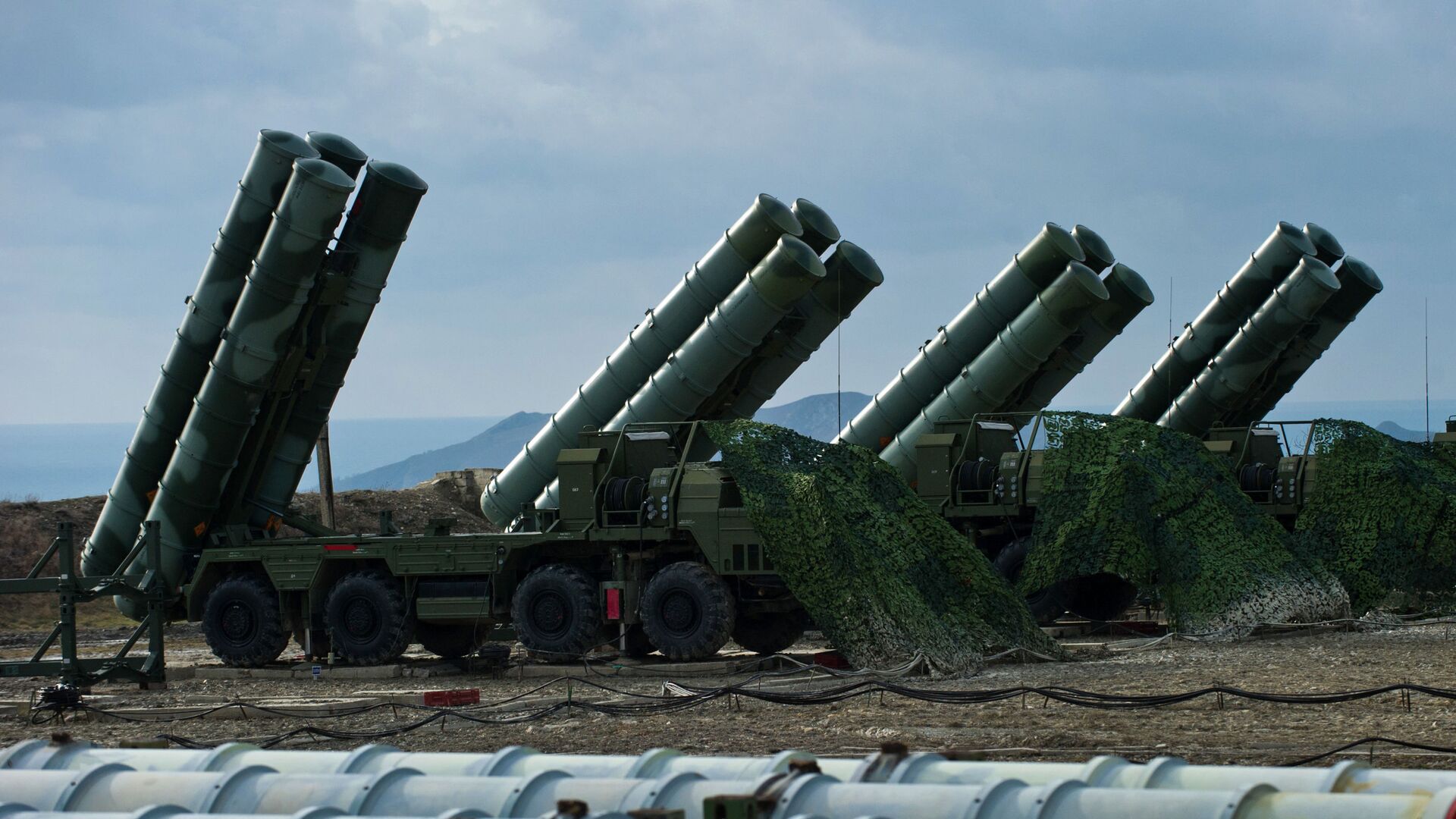
New Delhi, May 1: India’s security architecture is set to be strengthened as it is expected to receive fourth S-400 air defence system from Russia this month.
This air defence system, called “Sudarshan Chakra”, has become a central part of India’s air defence which was tested during the brief war with Pakistan in May last year.
So far, India has received three such air defence systems, despite strong opposition by the US because of its sanctions on Russia.
What is S-400 System?
It is a system meant to provide a defence shield by intercepting incoming missiles.
It is designed to detect and destroy a wide range of aerial threats, including fighter jets, drones, cruise missiles, and ballistic missiles.
According to reports, the system can track and intercept over 100 targets simultaneously and engage multiple threats at different ranges, making it one of the most advanced air defence systems in the world.
Its radar capabilities allow detection at extremely long distances, while its mobility ensures it can be quickly repositioned depending on operational needs.
Also read: India’s First Seaplane Is Coming—Here’s What It Means for Travelers
Why It Is Called “Sudarshan Chakra”
The nickname “Sudarshan Chakra” is inspired by Hindu mythology, where the divine weapon of Lord Vishnu is known for its precision and unstoppable nature. The Indian Air Force uses this symbolic name to represent the system’s ability to provide 360-degree protection and neutralise threats with high accuracy.
Just like its mythological counterpart, the system is seen as a protective shield that can strike targets at long range while defending airspace from multiple directions simultaneously.
Reported Role During Operation Sindoor
During Operation Sindoor in 2025, the S-400 system reportedly played a significant role in India’s air defence response. According to defence reports, it was used to intercept incoming aerial threats, including missiles and drones, and is said to have contributed to neutralising multiple hostile aircraft and projectiles.
It was also credited with creating a strong defensive “buffer zone,” forcing opposing forces to adjust their aerial operations and keep their aircraft at safer distances.
While these claims are based on defence reporting, they have been widely highlighted as evidence of the system’s operational effectiveness.
Why India Is Expanding Its S-400 Fleet
With the upcoming fourth unit, India is further strengthening its layered air defence network. The goal is to protect key military bases, cities, and strategic assets from advanced aerial threats. The system’s ability to integrate into broader air defence structures makes it a critical part of India’s long-term security planning.
The original deal signed in 2018 included five S-400 units, and their phased delivery is gradually enhancing India’s overall defensive coverage.
Strategic Importance
The S-400 provides India with a long-range defensive umbrella that significantly increases deterrence against aerial attacks. Its deployment across strategic regions is designed to reduce vulnerability and improve response time against fast-moving threats.
At a broader level, it reflects India’s focus on modernising its defence systems with advanced, multi-layered technologies.
The arrival of the fourth S-400 system marks another step in strengthening India’s air defence shield. Whether viewed through its technical capabilities or its symbolic “Sudarshan Chakra” identity, the system represents a major upgrade in protecting national airspace. As geopolitical tensions evolve, such systems are likely to play an increasingly important role in shaping regional security dynamics.