
New Delhi, July 24 (NVI) The central bank of Indonesia plans to extend its digital payment system to India, Hong Kong and Saudi Arabia as part of its endeavour to further promote it after covering 10 countries of the region, including China, Singapore, Japan and South Korea.
Indonesia has been leading the Southeast Asian countries in the adoption of payments using QR (Quick-Response) code.
“We are continuing discussions with India for cross-border (QRIS payment). We have also started in-depth discussions with Saudi Arabia and Hong Kong,” Bank Indonesia deputy governor Filianingsih Hendarta said at a press briefing.
“Hopefully this can be implemented soon because for its implementation we have to pay attention to the readiness of each country, considering their regulations, (payment) infrastructure, industry (participation) and also coordination with authorities,” Hendarta said.
Such connected payment ecosystems aim to ease transactions for international travelers, who only have to use their local payment apps to make purchases abroad.
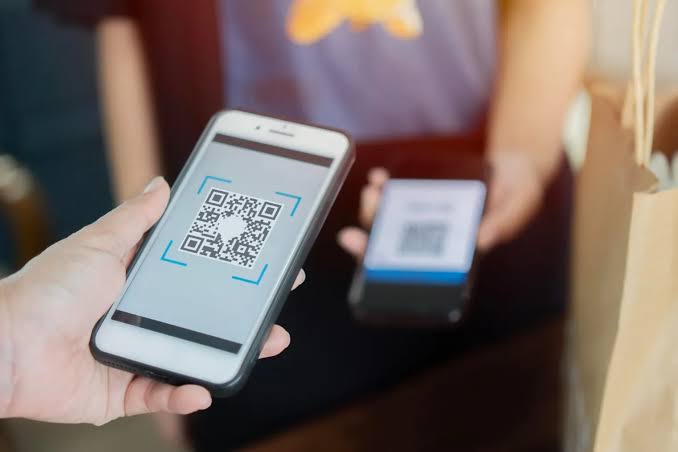
Since 2019, Bank Indonesia has required digital payment services to use standardized QR codes known as QRIS — pronounced as Kris — to ensure all banks and electronic wallets are interoperable, giving way to a seamless payment system that is now almost ubiquitous in most major cities in the country, boasting nearly 62 million users.
Under its arrangement with China, for example, Indonesian travelers can use QRIS-enabled e-wallets and banking apps to make payments by scanning QR codes registered under Alipay and Union Pay across China, which number more than 80 million.
Meanwhile, Chinese visitors using the Alipay or UnionPay apps can make payments at more than 44 million QRIS merchants across Indonesia, most of which are micro, small-and-medium enterprises (MSMEs) that make up about 99 percent of businesses nationwide.
“This cross-border QRIS simplifies payment transactions between countries, and is also used by residents of other countries who are visiting Indonesia,” Hendarta said, adding “(It) also boosts real economic growth through tourism and small and medium business sectors.” (NVI)