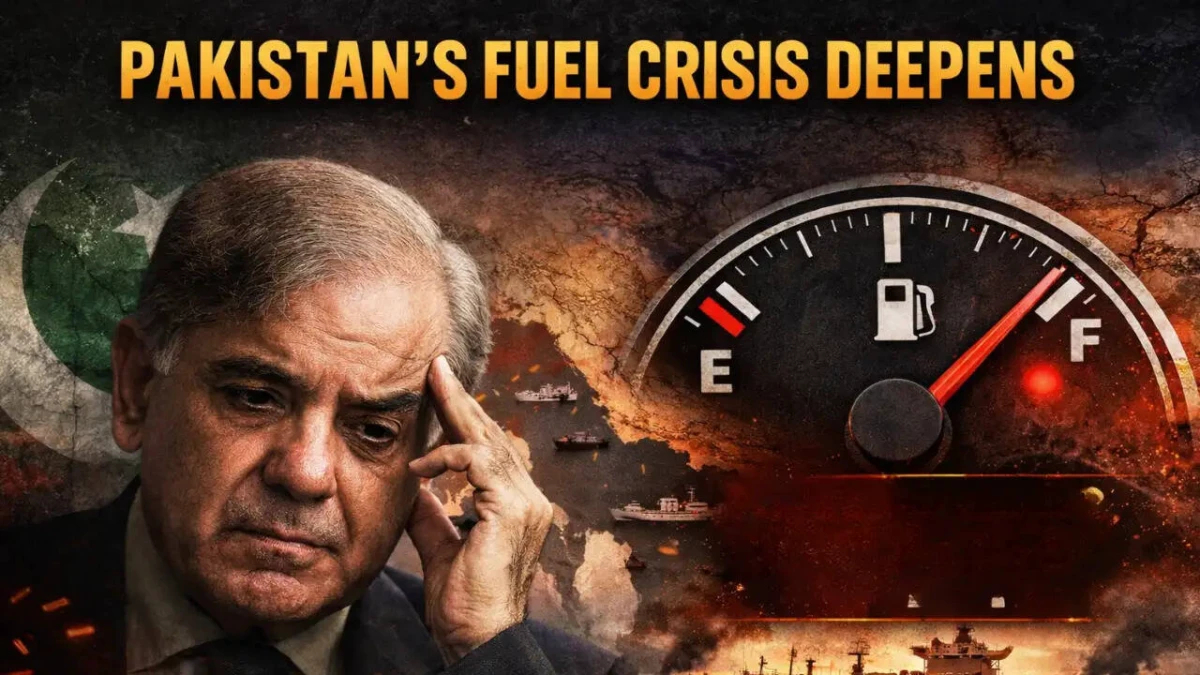
Islamabad, May 1: A surge in fuel prices and a flood of alarming social media posts have left people across Pakistan uneasy. Claims that petrol could soon hit 1,000 PKR per litre, along with rumors of pumps running dry, have intensified public concern. While the situation is serious, the reality is more complex than the panic suggests.
Rising Fuel Prices and Government Action
The government recently announced a fresh increase in petroleum prices, pushing petrol close to 400 PKR per litre, with diesel following a similar trajectory. These changes came into effect on May 1, 2026, as authorities adjusted taxes and levies to cope with rising global oil costs. Officials have linked the hike to ongoing instability in international energy markets, especially due to geopolitical tensions affecting supply chains. Prime Minister Shehbaz Sharif has acknowledged that the country’s fuel import bill has surged dramatically, placing additional strain on an already fragile economy.

The Truth Behind Shortage Rumors
Despite viral videos and widespread claims, officials have firmly rejected the idea that fuel is running out. Regulatory authorities and petroleum bodies have described these reports as misleading and part of a broader wave of misinformation. According to government assurances, fuel supply remains stable, petrol pumps are operating normally, and the country holds sufficient reserves to meet demand for several weeks. This suggests that while prices are rising, there is no immediate supply crisis.
Economic Pressure Building Beneath the Surface
The real issue lies in the broader economic impact of rising fuel costs. As prices increase, transportation becomes more expensive, which in turn raises the cost of food and essential goods. This ripple effect is particularly severe in a country heavily dependent on imported energy. Economists warn that inflation could accelerate further, reducing purchasing power and increasing financial stress on households. The involvement of institutions like the International Monetary Fund also limits the government’s ability to cushion the blow through subsidies, making the situation more difficult to manage.
Government’s Tightrope Walk
Authorities are navigating a difficult path between easing public burden and maintaining economic discipline. Passing on global price increases to consumers risks public backlash, while offering subsidies could worsen the fiscal deficit. With limited financial flexibility and external pressures, the government’s options remain constrained, increasing the stakes of every decision.
Public Response: Fear, Frustration, and Uncertainty
Public reaction has been a mix of anxiety and anger. Many citizens, especially those dependent on daily transport for income, are feeling the strain of rising fuel costs. Protests have already surfaced in some areas, and social media continues to amplify fears, sometimes without verified information. The idea that prices could skyrocket further has added to a growing sense of uncertainty about the future.
While fuel prices in Pakistan are undeniably rising and putting pressure on the economy, claims of petrol reaching 1,000 PKR or an imminent nationwide shortage appear exaggerated at this stage. The more pressing concern is the steady economic strain that could deepen if global conditions remain unstable.