New Delhi, Apr 5: President Donald Trump today announced that the US forces have rescued and retrieved the Air Force pilot who was missing in Iran after his F-15E fighter plane was shot down two days back.
The pilot has “sustained injuries”, he revealed while boasting about how he was rescued in a “daring” operation involving dozens of aircraft, armed with the “most lethal weapons in the world.”
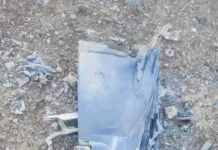
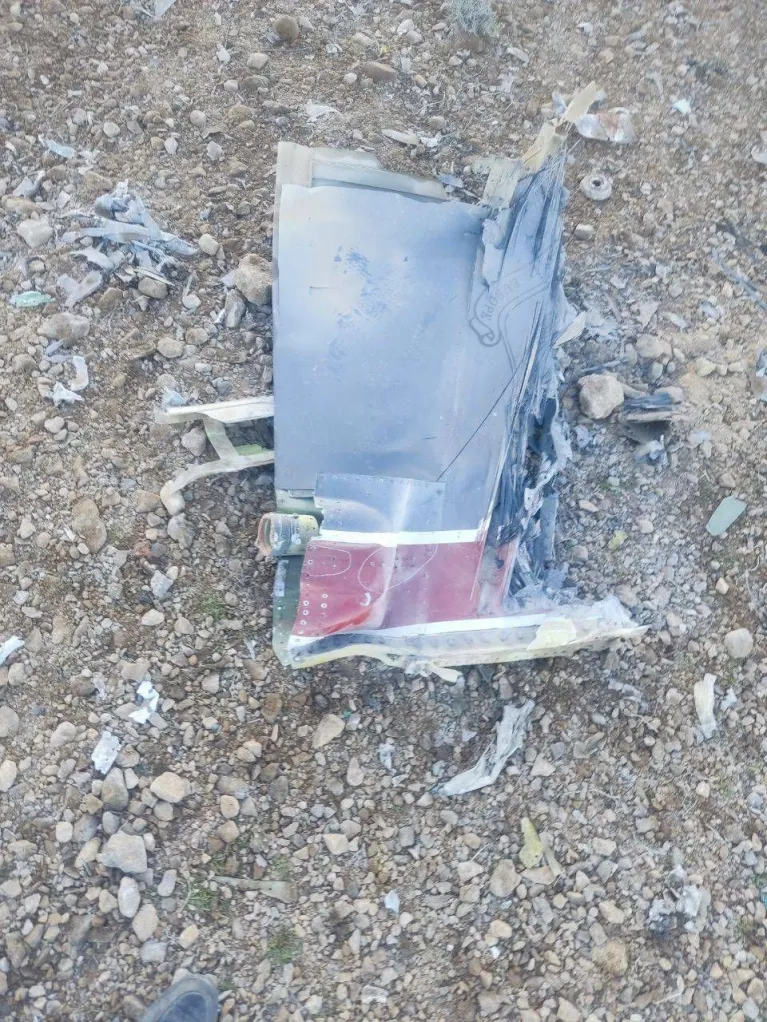
The two-seater F-15E Strike Eagle fighter plane of the US was shot down by Iran on Friday, April 3, when it was involved in bombing in the Persian nation.
One of the two pilots was rescued hours later from the sea off the Iran coast while another went missing.
The US deployed dozens of helicopters and fighter planes, along with hundreds of special operations troops, for the rescue operation. The troops went deep into Iranian territory and rescued the airman.
Meanwhile, the Iranian military, along with hundreds of civilians, were also searching for the pilot but in vain.
According to reports, the pilot escaped capture by climbing an elevated ridge and sending out evacuation beacons to the US military.
As the American forces launched the rescue operations, two of their transport aircraft got stuck in the Iranian territory.
The US military blew these up and more transport aircraft were sent for the rescue operations.
Survival of a US pilot in hostile territory:
When a military pilot lands in an enemy or hostile territory, the situation becomes extremely dangerous for him.
However, his survival depends on the training, along with the equipment the pilot must carry.
The US military has a Standard Operation Procedure (SoP) for its pilots in case they land in a hostile territory, which is rehearsed and practiced.
Whenever such an event happens, the pilot has to implement the SoP to avoid capture. It involves concealment of the pilot, using terrain, evasion from public eye and other means.
As per the traininig, the pilot has to immediately move away from the ejection site as the enemy forces are surely going to concentrate on that area.
The pilot mandatorily carries special navigation and signaling gear, along with weapons, typically a pistol, for last-resort protection. The survival kit may include a knife, signaling mirror, flares, water purification tablets, and medical supplies.
Once the pilot reaches a safe location, communication is established with the own military or friendly forces, using secure channels and coded signals.
Specialised communication equipment:
All the US military pilots carry specialized equipment, including a military-grade GPS receiver, often integrated into a handheld survival radio such as the PRC-112 or newer variants.
These devices combine encrypted GPS navigation with secure communication, allowing the pilot to transmit location data to rescue forces without interception.
The GPS is rugged, resistant to jamming, and capable of operating in adverse conditions.
When the rescue operations are launched, the pilot has to give out communication signals about his location. (NVI)