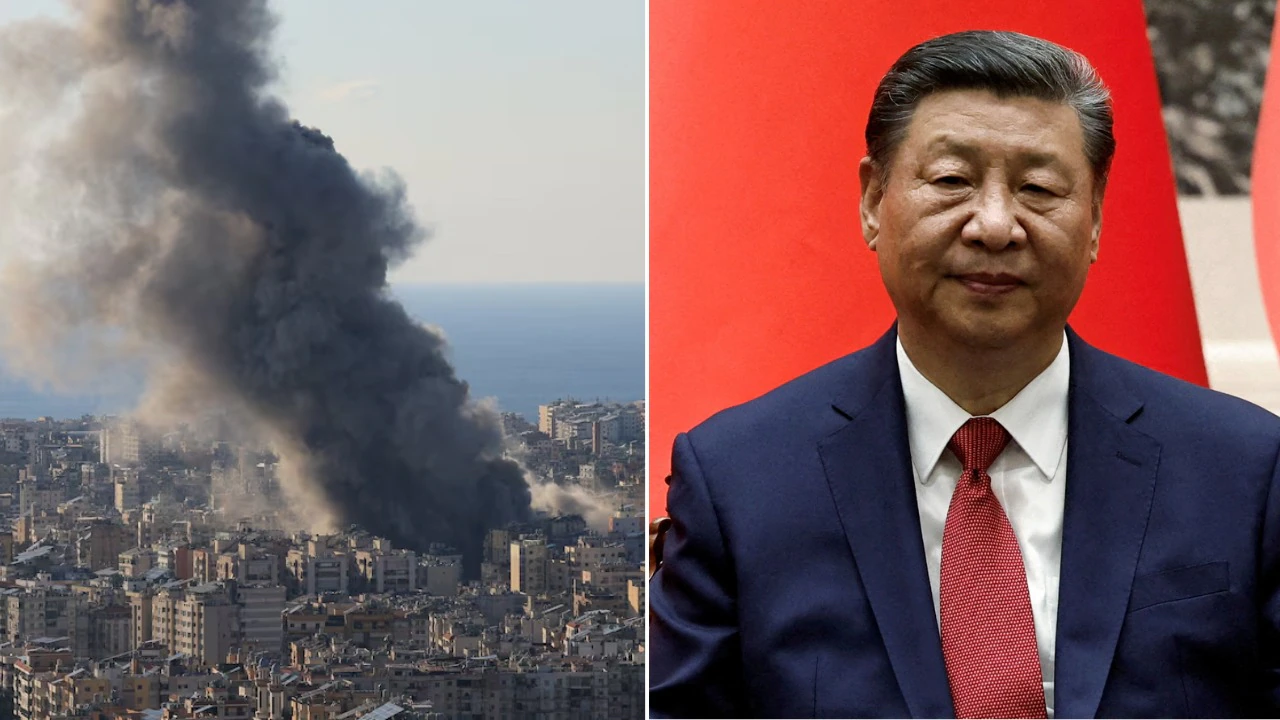
In the high-stakes theater of the Persian Gulf, a new lead actor is stepping onto the stage. While Washington and Tehran exchange threats and “Project Freedom” missiles, Beijing is quietly positioning itself as the ultimate powerbroker.
With Iranian Foreign Minister Abbas Araghchi landing in Beijing just days before President Trump meets Xi Jinping, the question isn’t just if China can broker peace, but what the price tag will be for the rest of the world.
The Energy Handcuffs Linking Beijing to Tehran
China’s interest in this conflict isn’t just about global prestige; it’s about survival. As the world’s largest energy importer and Iran’s biggest oil customer, China is the primary victim of a closed Strait of Hormuz. When one-fifth of the world’s oil is choked off, the Chinese economy feels the squeeze instantly. This economic vulnerability has transformed Beijing from a passive observer into an urgent mediator, with Foreign Minister Wang Yi declaring that a “comprehensive ceasefire brooks no delay.”
Leverage in the Form of the Yuan
Years of Western sanctions have effectively pushed Iran into China’s economic embrace. From the 25-year strategic partnership signed in 2021 to the fact that Beijing buys the lion’s share of Iran’s discounted oil, the Islamic Republic is now deeply dependent on Chinese trade. This dependence gives President Xi a “nudge” factor that Washington lacks. However, analysts warn that while Beijing can bring Tehran to the table, it cannot force them to sign a deal that compromises their ultimate bargaining chip: control over the world’s most critical shipping lane.
What’s on China’s Shopping List?
Beijing isn’t acting out of pure altruism. If China successfully brokers a deal, it expects a significant geopolitical return. Beyond reopening the Strait, Beijing is looking to cement the yuan as the primary currency for global oil transactions, chipping away at the “petrodollar.” Furthermore, a successful mediation would allow China to cast itself as the “responsible superpower” of the Global South—a stark contrast to what it portrays as the “interventionist” policies of the United States.
The Trump-Xi Summit: A Wildcard for Tehran
The upcoming meeting between Trump and Xi has Tehran on edge. Iranian leadership is reportedly seeking reassurances that Beijing won’t trade away Iranian interests in exchange for trade concessions from Washington. For Trump, a China-brokered peace could be a political lifeline ahead of the U.S. midterm elections, helping to stabilize fuel prices that have soared 40% since the conflict began. But for China, the goal is broader: keeping a regional counterweight to U.S. influence alive while ensuring that the “bloodline of global energy” remains wide open.