
Srinagar, May 09: Jammu and Kashmir is facing growing concern over a possible water crisis as the region continues to experience below-normal rainfall for six consecutive months, according to recent meteorological data.
Fresh figures for April show that the Union Territory recorded 86.5 mm of rainfall against the normal 99.6 mm, marking a 13% deficit. This continues a prolonged dry phase that has raised fears over water availability, declining river flows, and potential stress on hydroelectric power generation.
Experts note that this is part of a broader pattern, with the region also witnessing seven consecutive winters of below-normal precipitation. The sustained shortfall has already impacted groundwater recharge, stream flow levels, and snow reserves across the Himalayan region.
District-Level Variations in Rainfall
Rainfall data reveals sharp regional disparities:
- Severe deficits:
- Shopian: 67% deficit
- Kathua: 60% deficit
- Anantnag: 46% deficit
- Pulwama: 38% deficit
- Srinagar: 32% deficit
- Moderate deficits: Budgam, Kulgam, Ganderbal, Bandipora, Baramulla, and Kishtwar also recorded shortfalls ranging from 13% to 34%.
- Surplus rainfall areas:
Some districts saw above-normal rainfall, including:- Samba: 96% surplus
- Rajouri: 46% surplus
- Reasi: 40% surplus
- Jammu & Udhampur: 15% surplus each
- Poonch and Ramban also recorded marginal increases
Growing Concerns Over Water Security
The prolonged dry spell has raised concerns about drinking water shortages, especially in rural and mountainous regions that rely heavily on springs and local streams. Authorities and experts warn that continued low precipitation during the upcoming summer could worsen the situation.
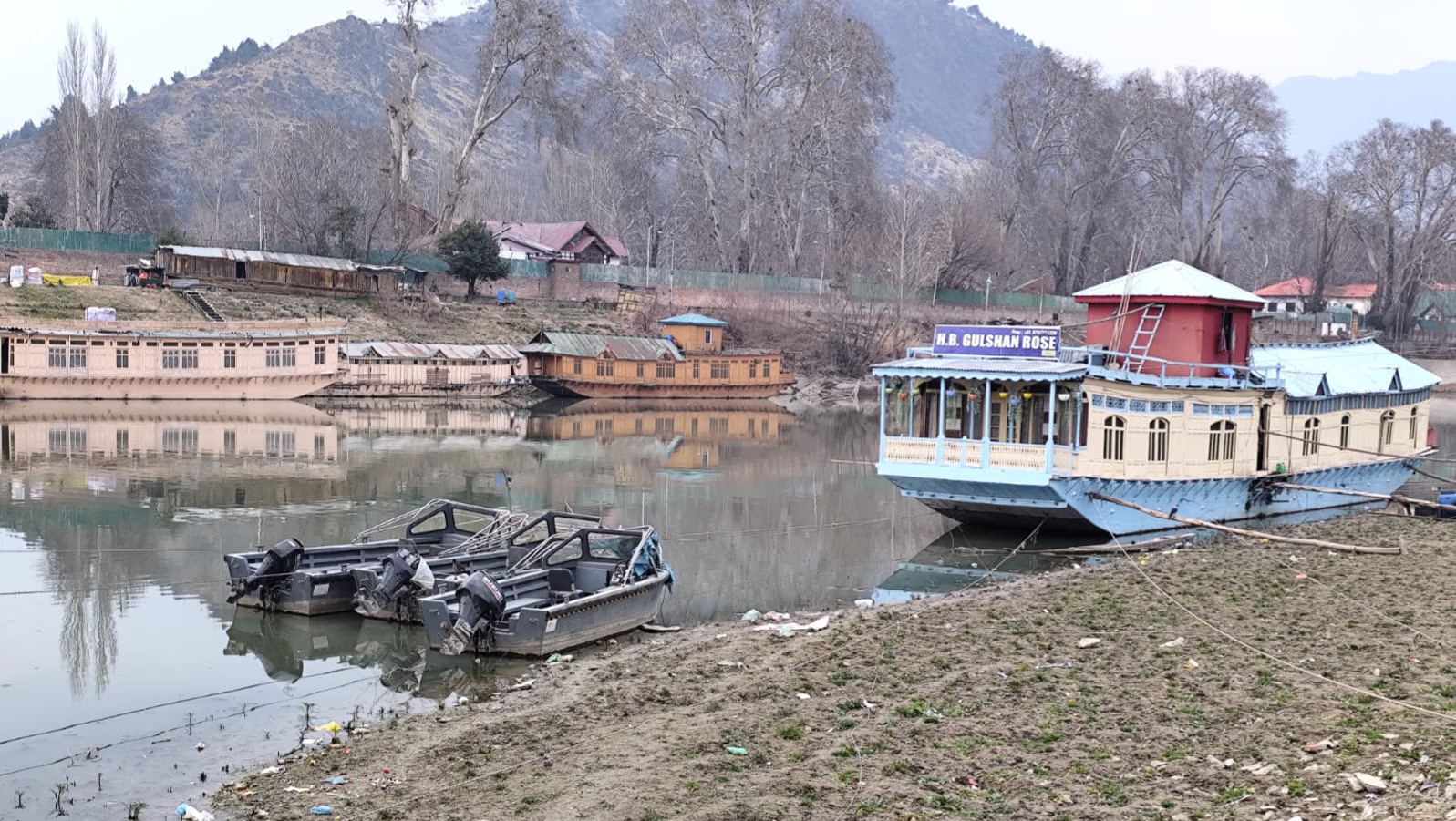
Rivers such as the Jhelum and its tributaries are already showing signs of reduced flow, which may also affect hydroelectric power generation at a time when electricity demand typically peaks.
Call for Preparedness
With water reserves under increasing pressure, there are growing calls for stronger water conservation measures, improved resource management, and contingency planning to prevent a full-scale crisis.