By Ajay Kaul
The Pakistani military, portrayed as a powerful force, has lost its grip on Khyber Pakhtunkhwa Province and Balochistan.
This is evident from the spurt in the brazen attacks on the military personnel in the two regions, in which scores of soldiers have been killed and hundreds injured.
There has been a substantial increase in frequency and intensity of attacks on Pakistani forces in Khyber Pakhtunkhwa and Balochistan, which is reportedly causing demoralization among the military personnel deployed in these regions.
In this month alone, so far, over 250 soldiers have been killed and more than 300 injured in scores of attacks in Khyber Pakhtunkhwa and Balochistan.
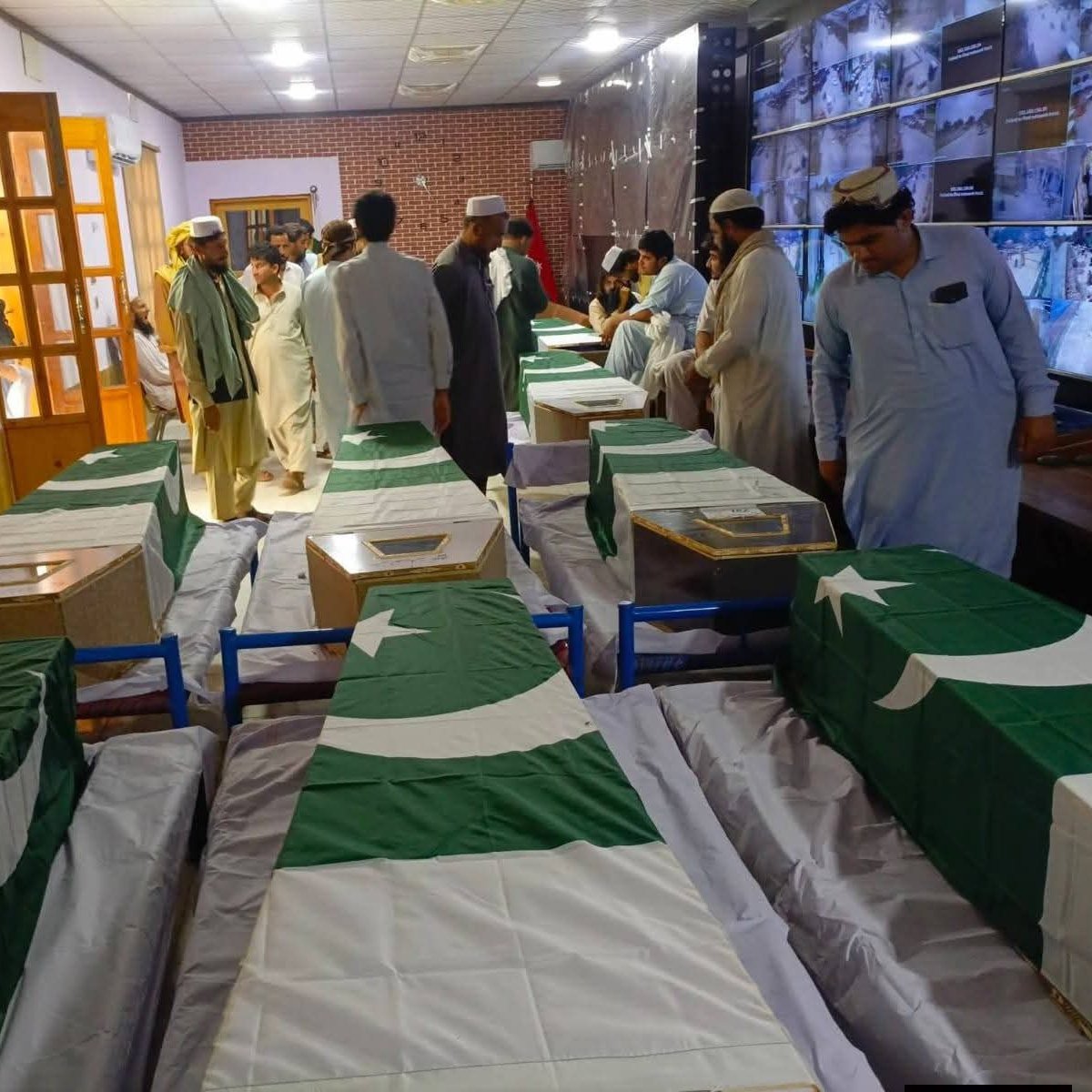
The biggest among those was the suicide attack on Police headquarters in Kohat in Khyber Pakhtunkhwa on September 17, where a mosque was also situated.
The 24-hour-long assault by a group of 8 heavily-armed men left 31 personnel killed and over 150 injured. This is the official figure given by the Pakistani military. The unofficial count is said to be higher.
Two days later, a military convoy was attacked in Hangu district of Khyber Pakhtunkhwa, in which 6 soldiers were killed and several others were injured.
At least 100 soldiers were killed in scores of other attacks in Khyber Pakhtunkhwa by TTP and other groups since September 1.
In August, Wali Mehsood-led TTP alone claimed to have killed 294 Pakistani soldiers and injured 352 in 404 operations. Other factions also killed and injured many other personnel of the Pakistani forces.
In Balochistan too, more than 100 soldiers have been killed and many others injured in umpteen attacks by Baloch freedom-seeking outfits like Baloch Liberation Army (BLA), Balochistan Liberation Front (BLF) and Baloch Republican Guards (BRG).
The Baloch freedom fighters have also been increasingly seizing control of various cities and towns of Balochistan from the occupying Pakistani forces, shocking and mocking the Pakistani regime.
Lately, the Baloch freedom fighters have also started disrupting the loot of Balochistan’s rich mineral resources, like Lithium, by Pakistan and its surrogate companies. The Baloch rebels have been intercepting and setting ablaze the vehicles transporting such stuff out of Balochistan.
According the data collated by a Pakistani think tank, there were 3,145 attacks in the country this year till July end.
The frequency and intensity of the attacks has grown significantly compared to the previous years.
Deadliest Year for Pakistani Forces
As per an analysis, Pakistan has been experiencing the deadliest year since 2013 in terms of attacks on its forces, with the month of July alone accounting for over 600 deaths.
According to assessment made by Pakistan Institute for Conflict and Security Studies (PICSS) in August, July of 2026 saw the highest monthly death toll for Pakistani security forces since 2023.
Since then, there has been further increase in frequency and intensity of attacks on Pakistani forces.
In August, Pakistani military spokesman Lt. General Ahmad Sharif Chaudhry said 3,145 “terrorism incidents” had been recorded since the start of this year.
Attacks consist of suicide bombings, kamikaze drones, small arms ambushes, or any combination of the three.
New Dimension
The problems for Pakistani forces are escalating as TTP is increasingly using latest weapon systems like drones and snipers against them.
In this month alone, there have been at least 20 attacks where TTP used drones to target military camps and posts, causing a lot of human and material losses to the Pakistani forces.
Many of the recent attacks audaciously target security forces at police stations, police checkpoints, and military convoys along highways.
For instance, TTP attacked a police checkpoint in Hangu district on July 30 with drones fitted with explosives, and followed it up with assault using latest assault rifles, eventually leaving 11 police officers dead.
TTP has also been extending its reach from Kyher Pakhtunkhwa in northwest to Balochistan, located in the southwest of Pakistan.
On July 6, TTP fighters ambushed a military position at the Mangi Dam project in the Ziarat district of Balochistan, killing 9 police officers and abducting 18 others.
Two days later, the abducted personnel were executed by TTP after Pakistani forces encircled them.
These brazen attacks highlight the TTP’s strategy of stretching the limits of Pakistani security forces with the aim of demoralising their personnel.
There have been reports of local police personnel in Khyber Pakhtunkhwa quitting their job or refusing to participate in anti-TTP operations.
The Pakistan Army and paramilitary forces are hugely hated in Khyber Pakhtunkhwa and Balochistan, as a result of which they face anger from the locals.
From time to time, Pakistan Army has been conducting large-scale operations against the rebel groups but those have miserably failed to produce the results the Pakistani establishment desired.
The rebel groups, particularly TTP and BLA, continue to get deadlier for the armed forces of Pakistan, who are their prime targets.
In view of this, the situation is precariously poised for Pakistan and speedily going out of its hands. (NVI)