
New Delhi, April 28: A new political alliance in Israel is stirring attention, but its real impact may be more about leadership than a dramatic shift in national security policy.
Former Prime Minister Naftali Bennett and opposition leader Yair Lapid have announced a joint front ahead of the 2026 elections, aiming to unseat current Prime Minister Benjamin Netanyahu. Their merged political platform, called “BeYachad” (meaning “together”), signals a renewed attempt to consolidate opposition forces after years of fragmented challenges.
Why Are Bennett and Lapid Joining Forces?
The alliance is primarily driven by domestic concerns rather than foreign policy differences. A central issue is military conscription—specifically, extending mandatory service to the ultra-Orthodox (Haredi) community, a long-standing and divisive topic in Israeli politics.
They have also committed to launching an independent inquiry into the failures surrounding the October 7, 2023 attacks, a move Netanyahu has resisted. Questions about Netanyahu’s health and ongoing corruption trial have further intensified calls for leadership change.
Will This Alliance Shift Israel’s Security Policy?
Despite positioning themselves as political alternatives, Bennett and Lapid largely align with Netanyahu on key security issues:
- Iran: Both support continued military pressure and potential strikes against Iran’s nuclear ambitions.
- Gaza: They argue Netanyahu has not gone far enough, criticizing his approach for allowing Hamas to regroup.
- Lebanon: The pair backed recent military operations against Hezbollah and remain skeptical of ceasefires that don’t eliminate long-term threats.
- Palestinian Statehood: Bennett strongly opposes it, while Lapid’s earlier support has softened due to current public sentiment.
In essence, while their rhetoric differs, their strategic outlook remains broadly consistent with existing policy.
A Look Back: Have They Done This Before?
Bennett and Lapid are no strangers to political collaboration. In 2021, they successfully formed a diverse coalition government that briefly removed Netanyahu from power. That government, however, lasted just over a year due to internal divisions.
Their earlier partnership in 2013 also reshaped coalition dynamics by sidelining ultra-Orthodox parties something they now seek to repeat.
Netanyahu’s Counterattack
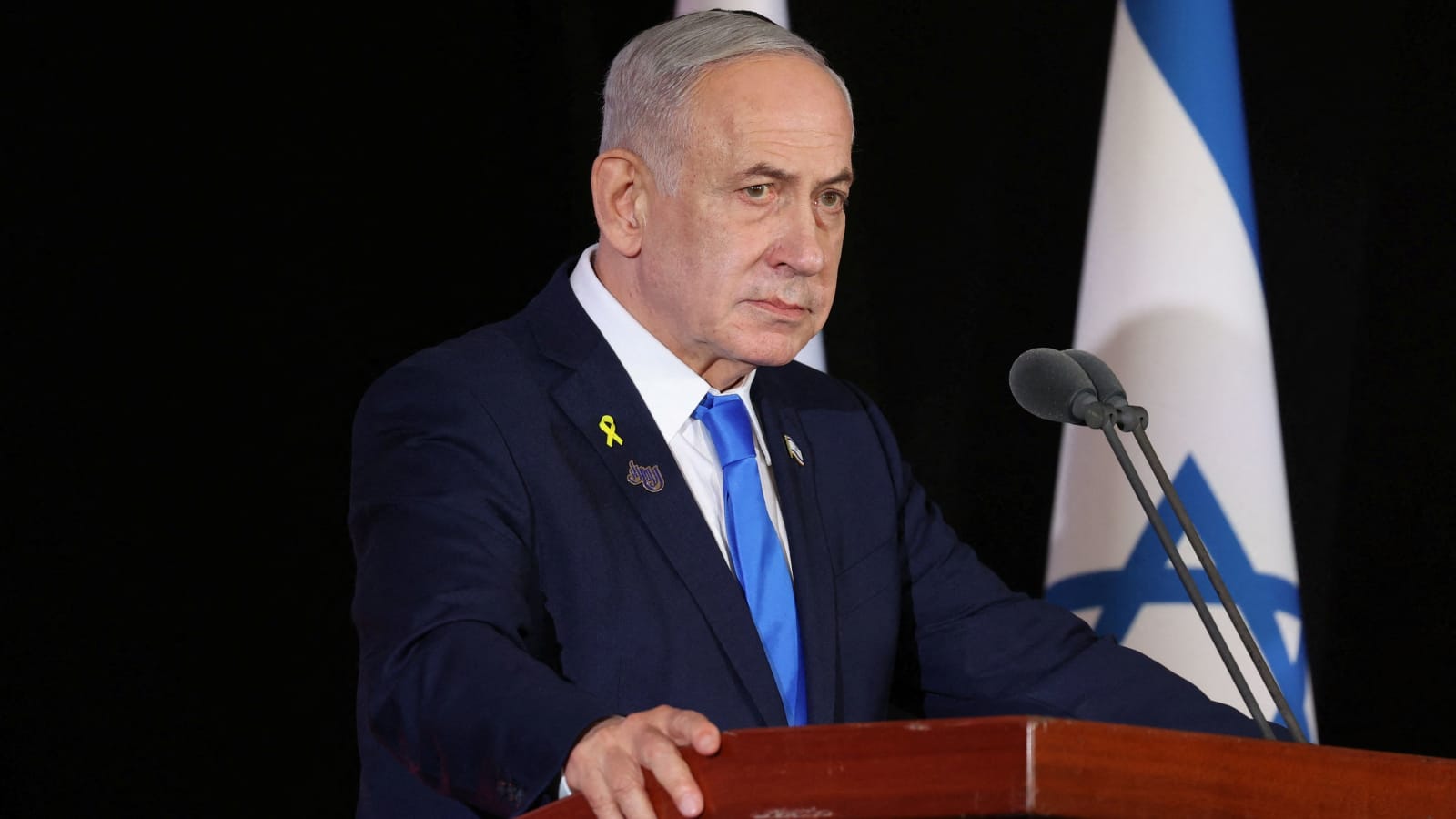
Netanyahu has already begun framing the alliance as a risky repeat of past governance, highlighting its reliance on diverse—and sometimes conflicting—political partners
So, What’s Really at Stake?
The upcoming election may not drastically alter Israel’s security doctrine, but it could redefine leadership style, accountability, and domestic priorities. The Bennett-Lapid alliance is betting that voters are ready for a unified alternative even if the core policies remain familiar.