Wednesday, April 8, 2026
Home Blog Page 1281

Resume operations for poor, but follow protocol: Div Comm Kashmir to Pvt hsptls

Kashmir Div Com

Abid Bashir

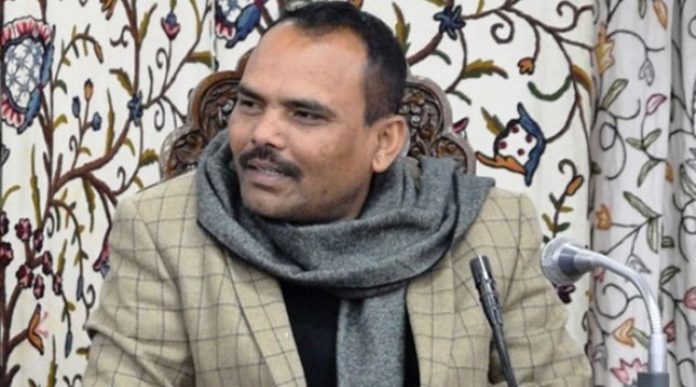
Srinagar (NVI): In a significant development, Divisional Commissioner Kashmir, PK Pole today directed the private hospitals, nursing homes, private clinics and private diagnostic centers in the Valley to resume operations to serve the poor and needy amid the Covid-19 pandemic but follow necessary protocol.

He stressed that patients should be advised to wear masks and maintain distance at these places.

The Divisional Commissioner stated this while chairing a meeting of representatives of private hospitals, nursing homes and private clinics here.

Talking to NVI, Divisional Commissioner said that he gave a patient hearing to the representatives of private hospitals, nursing homes and diagnostic centers of Kashmir valley, who had their genuine concerns.

“I have directed them to resume the operations while following proper protocol to serve the humanity in times of Covid-19 crisis,” he said. “I told them that all the operations should be carried in the interest of poor and needy people while as proper social distancing and all preventive measures should be followed,” he added.

The private health sector in Kashmir has been catering to the needs of lakhs of people but since March 18, only emergency cases were being entertained, due to the fast-spreading pandemic.

Also present in the meeting, President, Private Diagnostic Centers Association Kashmir (PDCA), Umar Dhar said that they assured the Divisional Commissioner that all the private clinics and private testing labs in the Valley will follow proper protocol while carrying out the tests.

Dhar said that the Divisional Commissioner laid emphasis on maintaining social distancing, saying that pregnant ladies, patients with fatal diseases like cancer, kidney failure and diabetes, and who are in desperate need of treatment/tests, should be given first preference at all private health institutions.

J&K government has closed the Out Patient Department (OPDs) in all major hospitals of Srinagar and other districts of Kashmir in view of the Covid-19 pandemic.

“The Divisional Commissioner told us that social distancing should be followed in spirit at private clinics and doctors at their private clinics should ensure that there is no jumbling. He stated that there should be no rush at the private clinics of doctors and all those present at these clinics should wear masks,” Dhar said.

Sources privy to the meeting told NVI that the Divisional Commissioner Kashmir stressed that there should be no violation of the protocol and guidelines already in public domain for preventing the spread of Covid-19 pandemic. “He warned that if any private clinic, hospital or diagnostic center violates the protocol, the government won’t hesitate in taking actions,” sources said.

They said that representatives of private hospitals and nursing homes assured the Divisional Commissioner that protocol will be followed in spirit.

WHO guidelines on use of ferritin concentrations to help detect iron deficiency

(Image source: @WHO)

New Delhi (NVI): Detecting iron deficiency early during pregnancy and in young children is crucial as it can have significant and irreversible effects on the brain development of a child.

In a bid to help detect iron deficiency and protect brain development, WHO has laid down guidelines on the use of ferritin concentrations to assess iron status in individuals and populations. The guidelines will help health workers to detect iron deficiency early and avoid the most severe impacts.

Iron deficiency in children under 2 years of age can lead to negative consequences on learning and school performance later in life, according to World Health Organistaion. Cognitive development of a child can also be affected if a mother is iron deficient during her last trimester of pregnancy.

Ferritin is a protein that can be found in small amounts circulating in a person’s blood. Ferritin levels are low in iron-deficient individuals and high in iron-loaded individuals.

WHO shows how to best measure ferritin, an indicator of iron stores, to help determine iron deficiency or overload. Accurate measurements of this protein, along with clinical and laboratory evaluation, can guide the appropriate interventions in both individual patients and at a population level.

The new guidelines also cover the early detection of iron overload. Iron overload is generally the result of disorders such as hereditary haemochromatosis, thalassaemia, repeated blood transfusions or other conditions that affect iron absorption or regulation and can also lead to deterioration of a person’s health if left untreated.

“Reducing anemia is one of the components of our efforts to eradicate all forms of malnutrition. However, progress has been limited and we still have 614 million women and 280 million children globally who suffer from it,” Francesco Branca, Director of the Department of Nutrition and Food Safety at WHO said. “Iron deficiency is a major determinant of anemia and measuring ferritin, a key biomarker of iron metabolism, will help us better target and evaluate our action to fight anemia”

Iron deficiency is the main cause of anaemia, which is the most prevalent nutritional deficiency worldwide, affecting 33 per cent of non-pregnant women, 40 per cent of pregnant women, and 42 per cent of children worldwide.

However, in adults, iron deficiency can also have negative effects including fatigue, impaired physical performance and decreased work productivity, as well as impacting social activities.

Iron deficiency occurs mainly when the requirements of iron increase during rapid periods of growth and development such as in early childhood, adolescence and pregnancy, but it can occur at other stages in life. In pregnant women, iron deficiency can cause anaemia, reduced birth weight and reduced gestation periods.

The WHO guidelines aim to help WHO Member States and their partners to make evidence-informed decisions on appropriate actions in their efforts to lower iron deficiency and improve the health and quality of life of individuals and populations.

Fish gills used to develop low-cost electrocatalyst for energy conversion devices

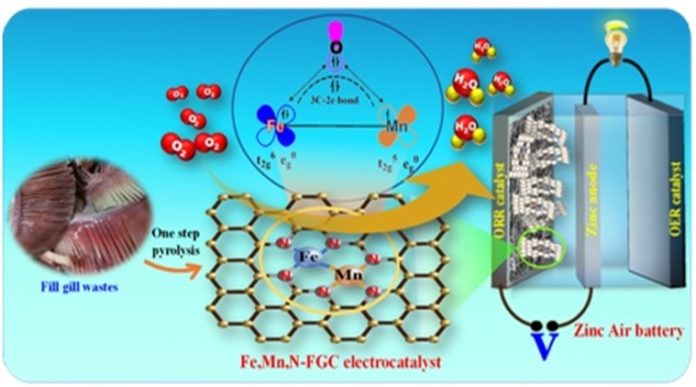
New Delhi (NVI): Scientists at the Institute of Nano Science and Technology (INST), Mohali, have recently come up with an efficient, low-cost electro-catalyst from fish gills that can help develop environmentally friendly energy conversion devices.

INST, Mohali is an autonomous institute under the Department of Science and Technology.

An electrocatalyst participates in electrochemical reactions. The role of catalyst materials is to modify and increase the rate of chemical reactions without being consumed in the process. Electrocatalysts are a specific form of catalysts that function at electrode surfaces or may be the electrode surface itself.

The bio-inspired carbon nanostructure used by scientists at INST can help overcome the bottleneck in the realization of several renewable energy conversion and storage technologies such as fuel cell, biofuel cell, and metal−air battery, Ministry of Science and Technology said.

The present strategy enriches a route to synthesize low-cost, highly efficient bioinspired electrocatalyst that is better than commercial Platinum on carbon (Pt/C) catalyst and could be utilized as next-generation nonprecious carbon-based electrocatalyst for energy conversion and storage applications, it said.

The results have been recently published in the journal Inorganic Chemistry published by the American Chemical Society, 2020.

The researchers have suggested that the careful selection of transition metals and heteroatoms together with engineering the synthesis protocol can pave a new way for exploring highly active low-cost electrocatalyst for efficient and environmentally friendly energy conversion devices, the Ministry said.

Crude oil prices rebound after historic fall due to collapse in demand amid COVID-19

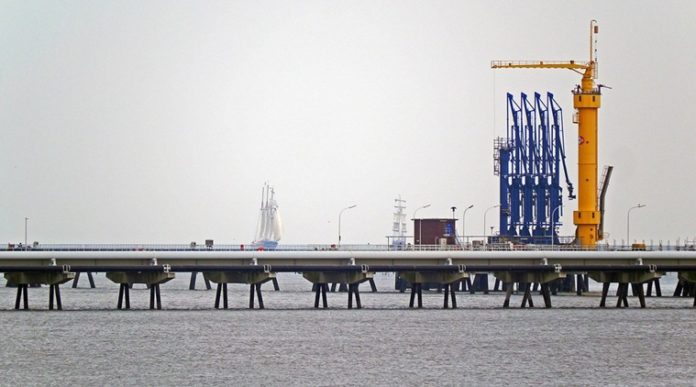
New Delhi (NVI): Oil prices rebounded after plunging below zero dollars a barrel for the first time in history today as coronavirus pandemic continues to affect global economies and markets across the world.

The US oil prices spiraled into negative for the first time ever due to a drastic fall in demand.

The oil market crashed as the producers have run out of space to store the oversupply of crude due to the coronavirus crisis, as hundreds of millions of people are asked to stay at home.

The US crude turned positive later today with prices edging over USD 0 per barrel. According to the latest reports, US West Texas Intermediate (WTI) crude for May delivery was up $38.73 at $1.10 a barrel by 0117 GMT after settling down at a discount of $37.63 a barrel in the previous session.

Earlier, prices of WTI had fallen to “minus” $40.32 a barrel in New York.

West Texas Intermediate (WTI) crude oil is a specific grade of crude oil and one of the main three benchmarks in oil pricing, along with Brent and Dubai Crude. It is the underlying commodity of the New York Mercantile Exchange’s (NYMEX) oil futures contract and is considered a high-quality oil that is easily refined, according to Investopedia website.

In a historic crash, oil futures opened at their lowest level since 1983, according to media reports.

The price of US crude oil crashed from USD 18 a barrel to USD -38 in a matter of hours, as rising stockpiles of crude threatened to overwhelm storage facilities and forced oil producers to pay buyers to take the barrels they could not store.

The major factor is a lag in manufacturing and other economic activity that requires oil.

The rapid market decline of recent weeks reached fever pitch on Monday as traders reached their last day to trade oil for delivery in May before the contracts expire.

The deadline triggered a collapse in prices as desperate oil traders with more crude than storage space were forced to take action.

State-wise details of total Covid-19 cases in India

New Delhi (NVI): The country is observing a surge in the number of coronavirus cases daily, with total confirmed cases at 18,601 and 590 deaths so far, according to Union Health Ministry.

After the first confirmed case in India, which was reported on January 30 in Kerala, the virus has tightened its grip over the entire nation.

Positive cases in different states/UTs:

Andhra Pradesh- 722
Andaman and Nicobar Islands- 16
Arunachal Pradesh- 1
Assam- 35
Bihar- 113
Chandigarh- 26
Chhattisgarh- 36
Delhi- 2,081
Gujarat- 1,939
Haryana- 254
Himachal Pradesh- 39
Jammu and Kashmir- 368
Jharkhand- 46
Karnataka- 408
Kerala- 408
Ladakh- 18
Madhya Pradesh- 1,485
Maharashtra- 4,666
Manipur- 2
Mizoram- 1
Odisha- 74
Puducherry-
Punjab- 245
Rajasthan- 1,576
Tamil Nadu- 1,520
Telangana- 873
Uttarakhand- 46
Uttar Pradesh- 1,184
West Bengal- 392

State/UT-wise death toll:

Andhra Pradesh- 20
Assam- 1
Bihar- 2
Delhi- 47
Gujarat- 71
Haryana- 3
Himachal Pradesh- 1
Jammu and Kashmir- 5
Jharkhand- 2
Karnataka- 16
Kerala- 3
Madhya Pradesh- 74
Maharashtra- 232
Meghalaya- 1
Odisha- 1
Punjab- 16
Rajasthan- 25
Tamil Nadu- 17
Telangana- 23
Uttar Pradesh- 18
West Bengal- 12

A total of 3,251 people have been cured and discharged from hospitals in India. There are around 14,759 active cases currently.

J&K: Pakistan violates ceasefire in Poonch

Ceasefire
Representational image

Jammu (NVI): Pakistani troops today violated ceasefire in Poonch district’s Kirni and Qasba sectors along the Line of Control in Jammu and Kashmir while resorting to repeated small arms firing and mortar shelling, Army officials said.

The first ceasefire violation took place in the Kirni sector at around 11.20 am. “At about 1120 hours, Pak initiated unprovoked ceasefire violation by firing with small arms & shelling with Mortars along LoC in Kirni sector, District Poonch (J&K),” they said, adding that Indian Army was retaliating befittingly.

At 05.20 PM, another ceasefire violation took place along the LoC as Pakistani troops targetted both Kirni and Qasba sectors. “At 1720 hours, Pak initiated unprovoked ceasefire violation by firing with small arms & shelling with Mortars along LoC in Kirni & Qasba sectors, District Poonch (J&K),” Army officials said.

Before this, Pakistani troops had violated the ceasefire along LoC in Degwar sector of Poonch district on Saturday (April 18), and Qasba and Kirni sectors in the same district on Friday.

Tensions along the border have escalated after the recent infiltration bid by Pakistan along the Line of Control (LoC) in Kupwara district, which was foiled by the Indian Army. Five militants were killed in the operation as the Army lost its five soldiers from elite Special Forces.

In another incident, three civilians including a woman and an eight-year-old boy were killed in the Pak shelling at Chowkibal area of north Kashmir’s Kupwara district during intense shelling by Pakistan army on Sunday (April 12).

PM Modi, Prez Kovind greet civil servants for their efforts to combat COVID-19

PM expresses happiness over rise in India's leopard population
Prime Minister Narendra Modi (File photo)

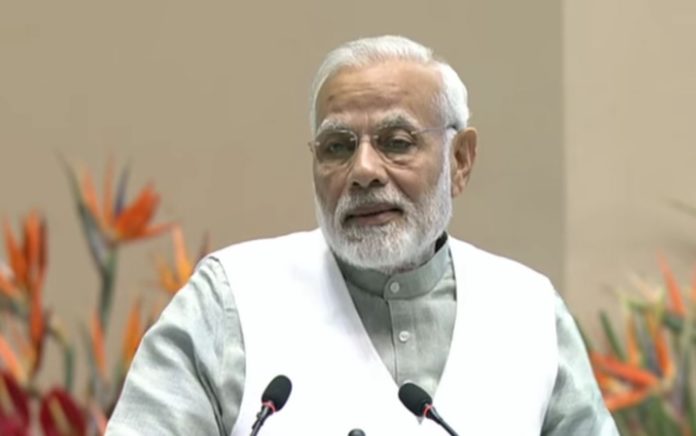
New Delhi (NVI): On the occasion of Civil Services Day, Prime Minister Narendra Modi greeted all the Civil Servants and their families. He appreciated their efforts in ensuring that India successfully defeats coronavirus pandemic.

Taking to twitter the Prime Minister said, “Today, on Civil Services Day I convey greetings to all Civil Servants and their families”.

“I appreciate their efforts in ensuring India successfully defeats COVID-19. They are working round the clock, assisting those in need and ensuring everyone is healthy,” he added.

PM Modi also paid tributes to Sardar Patel who emphasised on building a system that is progress-oriented and compassionate.

In his another tweet PM said, “On Civil Services Day, tributes to the great Sardar Patel, who envisioned our administrative framework and emphasised on building a system that is progress-oriented and compassionate.”

He also shared his speech from Civil Services Day in 2018.

In addition to this, President Ram Nath Kovind also conveyed his greetings to the Civil Servants for their key role in implementation of policies and programs for public welfare.

“In the present times too, the steel frame of our country, the civil service, has shown its strength and resolve in handling COVID-19 situation, with sensitivity and professionalism,” President tweeted.

Every year on April 21, the Civil Service Day is observed by all the Civil Services in order to re-dedicate and re-commit themselves to the cause of the people.

Total COVID-19 cases rise to 18,601 in India; death toll at 590

New Delhi (NVI): The death toll due to coronavirus in India rose to 590 while the total number of positive cases increased to 18,601, Union Health Ministry said this morning.

In the last 24 hours, 1,336 new infections of COVID-19 were reported in the country.

Meanwhile, with fresh deaths in last 24 hours, India saw the biggest spike in COVID-19 fatalities in a single day.

The states with the highest number of coronavirus cases reported are Maharashtra, Delhi and Gujarat.

Maharashtra has a maximum 4,666 cases so far, followed by Delhi with 2,081 cases and Gujarat with 1,939 positive case, according to the Union Health Ministry.

Meanwhile, the total number of COVID-19 cases in the national capital, Delhi rose to 2,081 with 47 fatalities confirmed.

Earlier on Monday, the Health Ministry said, the doubling rate of COVID-19 cases has slowed from 3.4 days to 7.5 days.

At least 3,251 people have been cured of the virus or discharged.

India, Afghanistan share special friendship, will fight Covid-19 together: PM

PM Modi
Prime Minister Narendra Modi

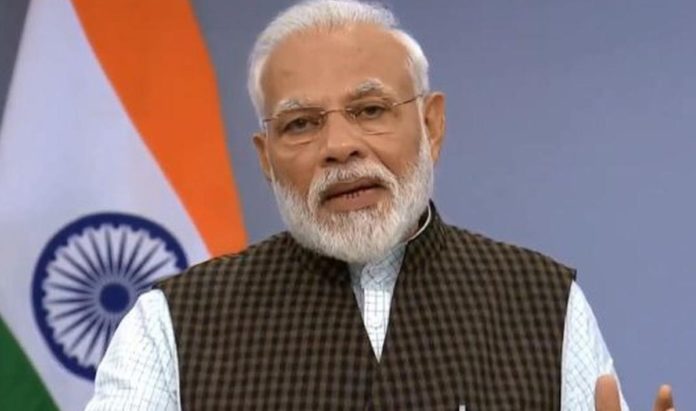
New Delhi (NVI): India and Afghanistan will combat COVID-19 together with solidarity and shared resolve, just like the two countries have fought jointly against the scourge of terrorism in the past, Prime Minister Narendra Modi said today.

The Prime Minister was responding to a tweet by Afghan President Ashraf Ghani in which the latter thanked PM Modi and India for the supply of hydroxychloroquine tablets and wheat.

“India and Afghanistan share a special friendship, based on ties of history, geography, and culture. For long, we have fought jointly against the scourge of terrorism. We will similarly combat COVID-19 together, with solidarity and shared resolve,” the PM said in a tweet.

On April 12, India had shipped the first consignment of 5,022 metric tonnes of wheat to Afghanistan as a humanitarian gesture to ensure food security during the COVID-19 pandemic.

President Ghani in his tweet today said: “Thank you my friend Prime Minister @narendramodi, and thank you India for providing 500K tablets of hydroxychloroquine, 100K tablets of paracetamol, and 75,000 metric tons of wheat that the first consignment of it (5,000) will reach AFG in a day or so, for the Afghan people.”

The Afghan President in another tweet said: “Thank you also for further commitments to supply more items including medicines and equipment as availability increases in India. In the difficult times of #Covid19, closer cooperation between allies and friends will prepare us better to fight this menace and save our people.”

India had last year announced that it would gift 75,000 metric tonnes of wheat to Afghanistan.

Covid-19 cases in Kashmir cross 300 mark as 14 more test positive

Jammu and Kashmir

Abid Bashir

Srinagar (NVI): Fourteen more people were tested positive for coronavirus in Kashmir today, taking the total number of COVID-19 cases in the J&K Union Territory to 368, with 313 cases in the Valley and 55 in Jammu.

J&K Government spokesman Rohit Kansal in a tweet said: “14 new cases reported. All from Kashmir. The total number of cases now 368. Jammu-55 and Kashmir-313.”

Of the new cases, seven are from Bandipora, two from Kupwara and five from Anantnag. Bandipora district in north Kashmir has surpassed all districts in Kashmir in number of Covid-19 cases at 91. Srinagar stands at number two with 79 positive cases.

As per officials figures, 78 positive cases including one death and 12 recoveries are from Srinagar, 80 including eleven recoveries and one death are from Bandipora, 42 including two deaths are from Baramulla, 13 including seven recoveries from Budgam, 3 from Pulwama including one recovery, 22 from Shopian including two recoveries, 27 from Kupwara, 14 from Ganderbal, 5 from Kulgam and three from Anantnag in Kashmir division.

In Jammu division, 26 cases including four recoveries are from Jammu district, 20 including one death and five recoveries are from Udhampur, four from Samba and three from Rajouri (all recovered) and one from Kishtiwar who has also recovered.

As per the daily information bulletin, 60,419 persons in Jammu and Kashmir are under observation while 6071 persons have been kept under home quarantine. Apart from that, 285 persons are in hospital isolation while 252 are under hospital quarantine.

According to the bulletin, 23,114 persons have completed surveillance period and 25,692 persons are under home surveillance besides that so far results of 6,937 samples are available.

Out of 6,937 samples, 6,596 have been tested negative while 341 have been tested positive. Among them, 285 are active and 51 persons have recovered while five persons have died.

MUST READ