Tuesday, April 7, 2026
Home Blog Page 1291

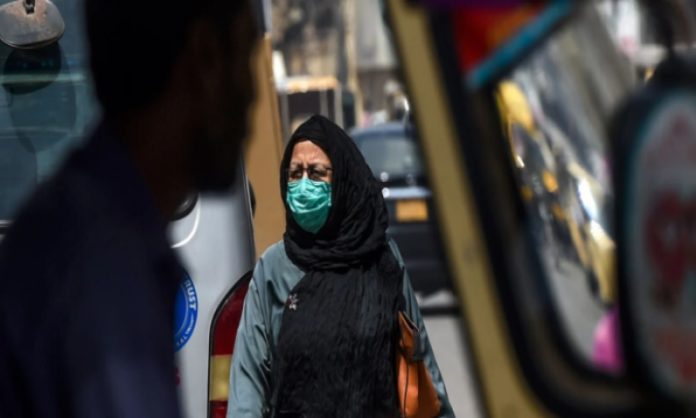
Coronavirus cases top 6,000 in Pakistan; lockdown extended till April 30

COVID-19: Pakistan imposes mini-lockdown in Islamabad

New Delhi (NVI): The total number of coronavirus cases in Pakistan has reached 6,231, while 113 people have died of the disease so far, according to Geo news.

Around 1,446 COVID-19 patients have recovered from the virus in the country, including people from Sindh and Punjab province.

Nearly half of the total confirmed cases are from Punjab province alone, at 3,016.

Looking at the breakdown of cases, the Sindh province has reported 1,668 cases while Balochistan has 262 cases so far. The Khyber Pakhtunkhwa Province has 865 cases, Islamabad 140, Gilgit Baltistan 234 and 46 in Pakistan occupied Kashmir (PoK).

Pakistan’s Prime Minister Imran Khan yesterday extended the lockdown till April 30, saying that the ongoing restrictions have helped contain the spread of the deadly coronavirus.

He, however, said that some key industries would be opened in order to start business activities, according to media reports.

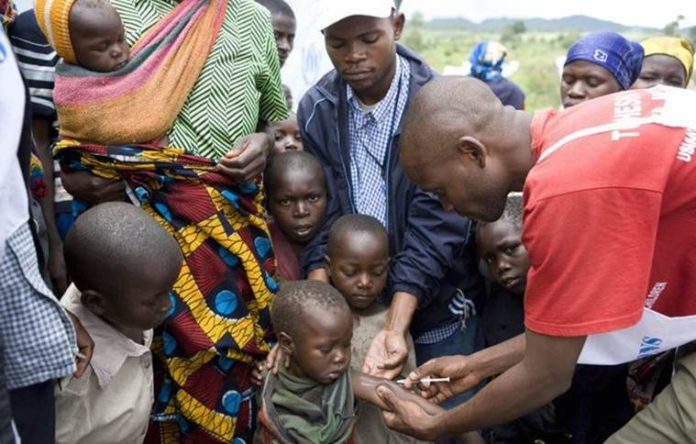
Over 117 mn children risk missing out on measles vaccine amid COVID-19

New Delhi (NVI): More than 117 million children in 37 countries may miss out on receiving life-saving measles vaccine as COVID-19 continues to spread globally, according to a joint report by the world’s top health organisations.

Measles & Rubella Initiative, a health partnership that includes the World Health Organization, the US Centers for Disease Control and Prevention and United Nations Foundation, came up with the statistics, considering the present pandemic situation.

The Measles & Rubella Initiative is a global partnership to stop measles and rubella.

The group has urged countries to continue routine immunization services, while ensuring the safety of communities and health workers and issued guidelines to help sustain immunization activities during the COVID-19 crisis.

In a statement, the group said, “the pandemic requires a coordinated effort and commitment of resources to ensure frontline health workers around the world are protected, as they face and respond to this new threat”.

“At the same time, we must also champion efforts to protect essential immunization services, now and for the future,” it added.

Despite having a safe and effective vaccine for over 50 years, measles cases surged over recent years and claimed more than 140,000 lives in 2018, mostly of children and babies all of which were preventable, the report said.

Vaccination campaigns have been paused or postponed in 24 countries to help prevent further spread of COVID-19. Campaigns expected to take place later this year in an additional 13 countries may also not be implemented, it said.

Apart from this, children younger than 12 months of age are more likely to die from measles, and if the circulation of  virus is not stopped, their risk of exposure to measles will increase.

The WHO has also issued new guidelines to help countries to sustain immunisation activities during the pandemic. The guidelines recommend that governments temporarily pause preventive immunisation campaigns where there is no active outbreak of a vaccine-preventable disease.

The M&RI has urged countries to continue routine immunisation services, while ensuring the safety of communities and health workers.

The recommendations ask governments to undertake a risk-benefit analysis when deciding whether or not to delay vaccination campaigns in response to outbreaks, with the possibility of postponement where risks of Covid-19 transmission are deemed unacceptably high.

“If the difficult choice to pause vaccination is made due to the spread of Covid-19, we urge leaders to intensify efforts to track unvaccinated children, so that the most vulnerable populations can be provided with measles vaccines as soon as it becomes possible to do so,” it said.

“While we know there will be many demands on health systems and frontline workers during and beyond the threat of Covid-19, delivering all immunisation services, including measles vaccines, is essential to saving lives that would otherwise be lost to vaccine-preventable diseases,” the group said.

The report has also asked countries to recognise the role of parents and caretakers in ensuring that their children are vaccinated by following physical distancing.

“Finally, we call on country leaders to implement effective strategies to engage communities, ensure supply and demand for vaccination remains strong, and help assure a healthy life for every child especially in time of such crisis,” the group said.

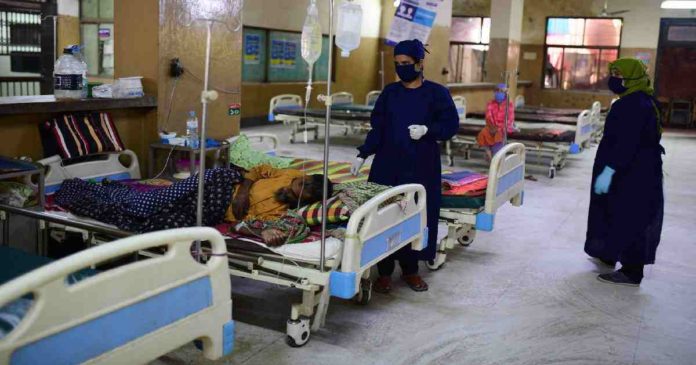
Bangladesh reports 4 more deaths; COVID-19 cases reach 1,231

(Image source: United News of Bangladesh)

New Delhi (NVI): Bangladesh saw an alarming rise in coronavirus cases today as 219 more cases were reported with COVID-19 in the last 24 hours, raising the total number of infected people to 1,231.

Besides, 4 more people died from the virus raising the number of total deaths to 50, according to United News of Bangladesh.

Heath Minister Zahid Maleque today said that in a day, 1,740 samples have been tested.

No new recovered cases have been reported.

In addition to this, 3 Bangladesh nationals who were tested positive for coronavirus in Qatar, have died, according to media reports.

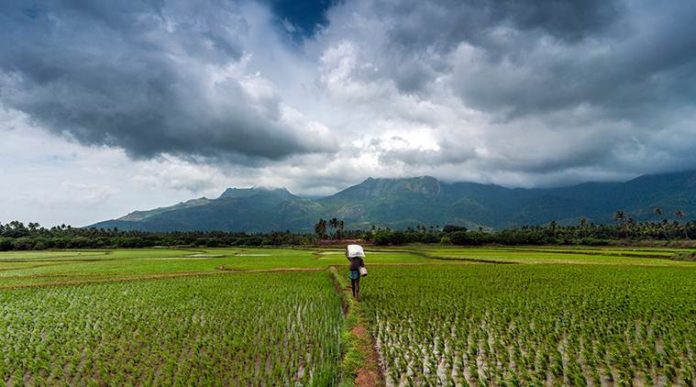
India to witness normal monsoon this year: IMD

New Delhi (NVI): The country is likely to receive average monsoon rainfall this year, the Indian Meteorological Department (IMD) said today, raising hopes among the farming community for higher farm output, amid looming concerns over coronavirus pandemic.

The IMD gave the information while issuing the first stage long-range forecast for south-west monsoon season rainfall this year.

M Rajeevan, secretary at the Ministry of Earth Sciences, while addressing a press conference here, said that monsoon rains are expected to be 100% of a long-term average.

“This should really help our agriculture sector for better crop yield and also will definitely help our economic growth in this country,” the secretary said.

IMD Director General Mrutyunjay Mohapatra said that the MeT department defines average, or normal rainfall as between 96 per cent and 104 per cent of a 50-year average of 88 centimetres for the entire four-month season beginning June.

IMD has revised the onset and withdrawal date of monsoon over several parts of India. Monsoons are expected to hit Kerala on June 1, as before.

Meanwhile, in another good news for the farming community, the government today said that restrictions will be eased on agriculture-related activities after April 20.

In the fresh guidelines issued for the extended lockdown till May 3, the Government gave relaxation to agriculture, e-commerce and select industrial activities.

WHO launches chatbot on Facebook Messenger for Covid-19 queries

New Delhi (NVI): As many people around the world are turning to communication platforms for information on coronavirus, the World Health Organisation has launched an interactive experience on Facebook Messenger, to provide accurate and timely details on the COVID-19 pandemic.

WHO will be leveraging Messenger’s reach to more than 1.3 billion monthly active users who will now be able to ask questions and get quick answers from the WHO’s “Health Alert” interactive service on Messenger, which is free to use.

According to a report by Messenger app, in many of the regions hit hardest by COVID-19, total messaging through Facebook’s family of apps has increased by more than 50%.

WHO’s Health Alert interactive service can now be accessed through its official Facebook Page by selecting ‘Send Message’ or through the dedicated Messenger link.

The WHO Health Alert service has already reached more than 12 million people through WhatsApp.

Through Messenger now, WHO will be able to expand their reach as they continue to provide people everywhere with important information, the report said.

Sprinklr, the developer that built the Messenger experience for WHO, is part of this program.

More than 20 government health organizations have launched Messenger experiences such as UNICEF, Argentina’s Ministry of Health, the Government of France, the Government of India, and Pakistan’s Ministry of National Health Services, the report said.

COVID-19 cases surge past 1.98 million globally

New Delhi (NVI): Around 1.98 million people around the world have now been confirmed to have the novel coronavirus, according to the data compiled by Johns Hopkins University. More than 1,26,500 people have died, while nearly 4,86,500 have recovered.

Meanwhile, the total number of people dying from coronavirus in the US rose by at least 2,228 – the highest in a single day – to exceed 28,300. The country also has more than 6,00,000 reported cases.

US President Donald Trump has slashed the WHO funding over its handling of the pandemic. The US is reportedly the biggest contributor to the WHO budget.

In addition to this, 778 deaths were reported in hospitals in the UK, taking the total to at least 12,107, the country’s Department of Health and Social Care said.

Since the European countries, Italy, Spain and Austria, are showing signs of a slight slowdown in the number of increase in positive cases, these countries have eased the lockdown restrictions and have allowed partial return to work, according to media reports.

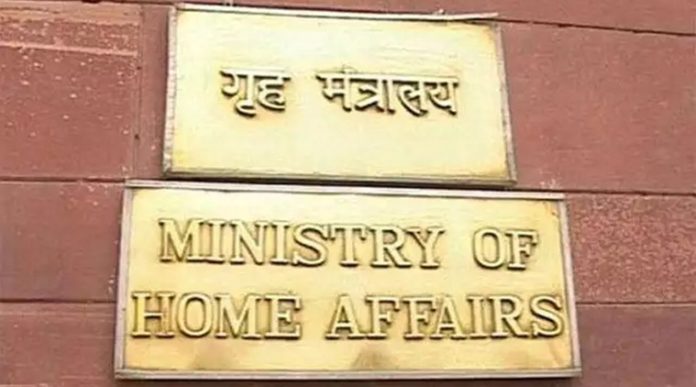
MHA issues revised guidelines for extended lockdown

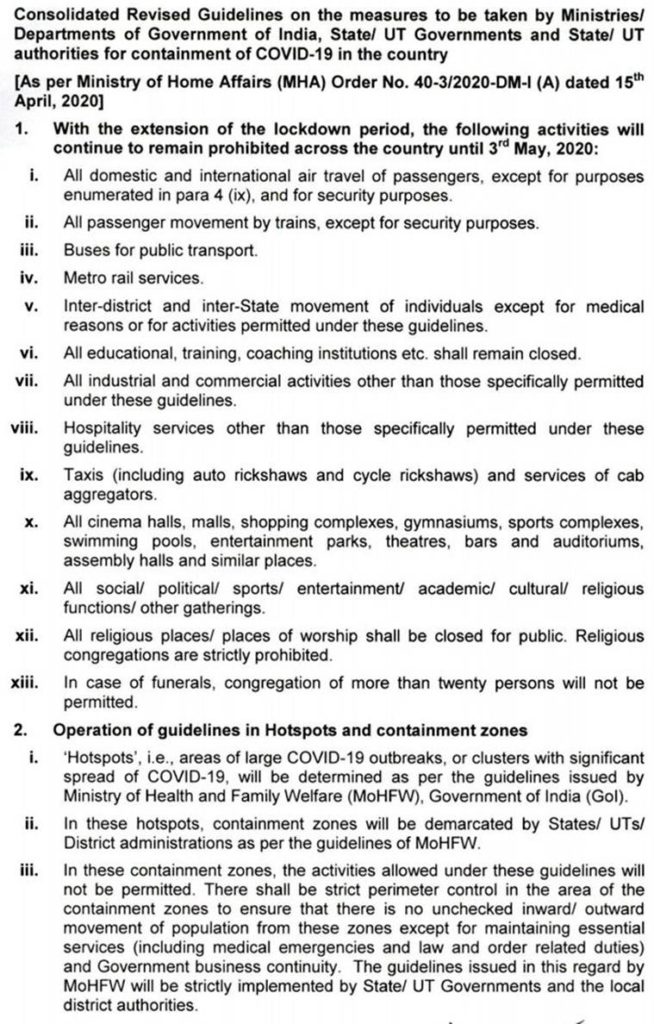
New Delhi (NVI): The Ministry of Home Affairs today issued revised guidelines for the extended lockdown till May 3, which was announced by Prime Minister Narendra Modi yesterday.

As per the guidelines, the Government has permitted certain activities after April 20, giving relaxation to agriculture, e-commerce and select industrial activities.

All agricultural and related activities will remain fully functional, the MHA said. These activities include farming operations by farmers and farm workers in the field. Agencies engaged in the procurement of agricultural products, including MSP operations will be allowed.

Mandis operated by the Agriculture Produce Market Committee (APMC) or as notified by the State/UT Government (e.g., satellite mandis) will be allowed after April 20.

Similarly, all shops of farm machinery, its spare parts, supply chain, repairs, ‘Custom Hiring Centres’ related to machinery, manufacturing, distribution and retail of fertilisers, pesticides and seeds will be allowed, the Ministry said in a statement.

Services provided by self-employed persons, like electricians, those engaged in IT repairs, plumber, motor mechanics, and carpenters have also been allowed.
Under the revised guidelines, important components of the financial sector, e.g., Reserve Bank of India (RBI), banks, ATMs, capital and debt markets as notified by SEBI and insurance companies will also remain functional.

The guidelines also allow the continuation of works in the construction projects, within the limits of municipal corporations and municipalities, where workers are available on site and no workers are required to be brought in from outside (in situ construction).

Under the fresh guidelines, private vehicles for emergency services, including medical and veterinary care and for procuring essential commodities, will be allowed.

In such cases, one passenger besides the private vehicle driver can be permitted in the backseat in a four-wheeler; in case of two-wheelers, however, only the driver of the vehicle is permitted, it said.

Apart from that the order also allows the construction of roads, irrigation projects, buildings and all kinds of industrial projects, including MSME’s, in rural areas i.e., outside the limits of municipal corporations and municipalities; and all kinds of projects in industrial estates.

MNREGA works will be allowed with strict implementations of social distancing and face mask. “Priority to be given under MNREGA to irrigation and water conservation works. Other Central and State sector schemes in irrigation and water conservation sectors may also be allowed to be implemented and suitably dovetailed with MNREGA works,” the MHA order read.

However, some activities will remain prohibited in the extended lockdown, including hospitality services other than those specifically permitted under the guidelines.

Educational institutions, coaching centers, domestic, international air travel and train services will remain closed in the extended lockdown period.

Places like cinema halls, malls, shopping complexes, gymnasiums, sports complexes, swimming pools, bars will also remain closed.

Inter-state, inter-district movement of people, metro, taxis, bus services continue to be closed till further orders.

“Inter-district and inter-state movement of individuals except for medical reasons or for activities permitted under these guidelines,” read the official statement.

All social, political, sports, religious functions, religious places will also be closed for public till May 3, it said.

In case of funeral, congregation of more than 20 persons will not be permitted, the guidelines said.

As all educational, training, coaching institutions et., shall remain closed during the extended lockdown, online teaching/distance learning will be encouraged, the order said.

Earlier, a 21-day nationwide lockdown was imposed to combat the coronavirus spread in the country. It ended yesterday (April 14), followed by an announcement by PM Modi, extending the lockdown further by 19 days, till May 3.

COVID-19 cases in India climb to 11,933, death toll at 392

New Delhi (NVI): The total number of coronavirus cases in India has risen to 11,933 and fatalities from the virus has gone up to 392, according to Union Health Ministry.

In the past 24 hours, 1,076 fresh COVID-19 infections were reported.

There are 10,197 fresh cases now and 1,343 cured/discharged, as per the Health Ministry’s latest data.

In terms of total number of cases, Maharashtra is the worst affected state with 2,687 coronavirus cases

The other worst affected states are Tamil Nadu, Telangana, Rajasthan, Madhya Pradesh and Gujarat.

Meanwhile, in terms of total deaths, Maharashtra tops the tally with 178 fatalities, ministry said.

The death toll in the national capital surged to 30. While another 30 patients in Delhi have recovered so far, healthy ministry data shows.

Kashmir’s youngest corona patients being sent home after recovery

It was an emotional moment at the Jawahar Lal Nehru Memorial (JLNM) hospital in Srinagar on Monday, as two siblings– Kashmir’s youngest coronavirus victims aged four and seven– were ready to return home after completing 14-day mandatory quarantine period. Doctors and para-medical staff, some with teary eyes, presented bouquets to the two sisters amid prayers- “may you live long.” Read More

COVID: UN solidarity flight to carry medical supplies to African nations

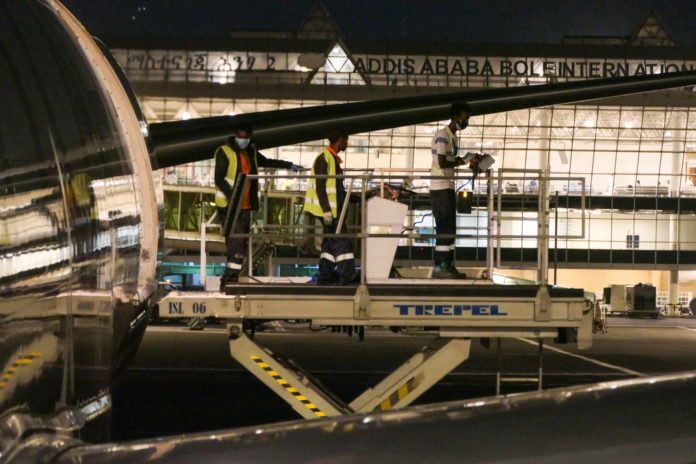
New Delhi (NVI): In a bid to support efforts to fight COVID-19 and ensure that health workers are protected in Africa, the first UN ‘Solidarity Flight’ today departed from Ethiopian capital Addis Ababa, carrying vital medical supplies to all African nations.

“The Solidarity Flight is part of a larger effort to ship lifesaving medical supplies to 95 countries,” said WHO Director General Tedros Adhanom Ghebreyesus, who is also an Ethiopian microbiologist.

The WHO cargo is being transported by the United Nations World Food Programme (WFP), and includes face shields, gloves, goggles, gowns, masks, medical aprons and thermometers, as well as ventilators, the global health body said in a statement.

The cargo also includes a large quantity of medical supplies donated by the Prime Minister Abiy Ahmed and Jack Ma Foundation Initiative to reverse COVID-19 in Africa, WHO said.

The African Union, through the Africa Centres for Disease Control and Prevention (Africa CDC) is providing technical support and coordination for the distribution of the supplies.

“Commercial flights are grounded and medical cargo is stuck. We can stop this virus in its tracks, but we’ve got to work together. WFP is committed to getting vital medical supplies to front lines and shielding medical workers as they save lives,” said David Beasley, WFP’s Executive Director.

“Our air bridges need to be fully funded to do this, and we stand ready to transport frontline health and humanitarian workers as well as medical cargo,” he added.

The crucial WHO cargo includes one million face masks, as well as personal protective equipment, which will be enough to protect health workers while treating more than 30 000 patients across the continent and laboratory supplies to support surveillance and detection, the health body said.

WHO’s logistics hub in Dubai, staffed by a team of seven, has been working around the clock to dispatch over 130 shipments of PPE and laboratory supplies to 95 countries across all six WHO regions.

A team of 25 WFP aviation and logistics staff is based at Bole International Airport in Addis Ababa, managing the 24-hour operation. They manage warehouse space for dry bulk, temperature-controlled and cold storage cargo and its onward transport by air. WFP also provides dedicated cargo tracking, warehouse management and customer service to countries across Africa in collaboration with the Africa CDC, said WHO.

“The medical supplies are timely as the continent still has a window of opportunity to fight the COVID-19 pandemic. Collective and fast actions as exemplified by the Solidarity Flight are therefore critical,” said John Nkengasong, Director of the Africa CDC.

“As part of a global appeal to raise a US$2 billion for the COVID-19 response, launched by the United Nations Office for Coordination of Humanitarian Affairs (OCHA) on 25 March, WFP is calling for US$350 million to establish vital humanitarian hubs around the world to facilitate the storage and dispatch of essential medical cargo, set up air transport links for cargo and personnel, contract charter vessels for shipping services, and provide passenger air and Medevac services for humanitarian and health workers,” said WHO.

This includes such Solidary Flights through Addis Ababa. Currently, WFP has received only 24% (US$84 million) of the US$350 million it requires to provide these vital common services to the global humanitarian community, WHO said.

MUST READ