Monday, October 26, 2026
Home Blog Page 1296

Railway Ministry organises virtual retirement function for first time

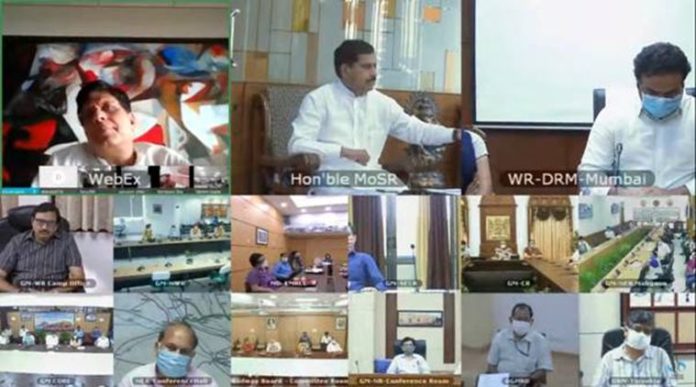
New Delhi (NVI): In a first, the Ministry of Railways organized a virtual retirement function amid the Covid-19 pandemic for 2,320 superannuating officials connecting all its zones, divisions, production units on a virtual platform.

The virtual function was organised for the Railways officers and staff who superannuated on July 31, the Ministry said in a release.

The event was attended by Minister of Railways Piyush Goyal, Minister of State for Railways, Suresh C Angadi, Secretary, Railway Board, Sushant Kumar Mishra and senior officers of Railways.

On the occasion, Piyush Goyal said, “It is a day of Happiness and Sadness. It is a happy occasion because the employees have served long period in different areas, capacities, responsibilities. Your contribution for Railways to make it a better Railways and the role you have played in making Railways for future-ready shall be remembered. In past few years, Railways have shown improvement in their style of working.”

“In COVID phase, freight trains, parcel trains, Shramik Special trains were moved. Railways have put in best efforts to serve the nation during the pandemic. Railway employees are no less than Corona warriors. I would like to compliment the staff for putting best efforts during the fight against COVID,” he added.

Goyal also urged the retirees to continue to perform small acts that can bring discernible changes in society like rainwater harvesting, production of manure from wet waste, thinking of innovative ways to increase production of farmers’ harvest.

He also suggested that all the officers/staff who retired from Railways have the vast experience of working in the Government sector. “They may further inform and educate the common people about Government of India’s policies and programmes so a common man may benefit and become self sufficient. It may be one of the big contributions for making their life better,” he said.

Addressing retirees, Suresh C. Angadi said, “It is a great pleasure to be with you all. Railways and the country can never forget the services which Railway staff has rendered tirelessly. Your advice/suggestion is always welcome to motivate the young staff. I wish to God to give strength and good keep up. A Railwaymen is always a Railwaymen.”

-ARK
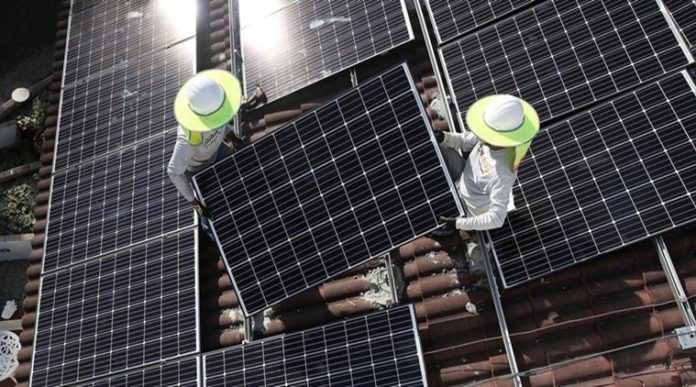
Solar energy potential dwarfs current electricity demand in most countries: Report

energy demand
Representational Image

New Delhi (NVI): The potential for electricity generation from solar photovoltaic sources in most countries dwarfs their current electricity demand, according to a report by the World Bank.

Countries around the world are focussing on generating clean energy and cutting the costs as well as environmental hazards that come with a power plant.

However, policymakers and investors often wonder whether the PV power potential in a specific country or region is good enough to take advantage of and if so, on what scale.

Until now, a global and harmonized assessment of country-level PV potential has not existed.

A new World Bank report – “Solar Photovoltaic Power Potential by Country” – attempts to fill this gap by evaluating the theoretical potential (the general solar resource), the practical potential (accounting for additional factors affecting PV conversion efficiency and basic land use constraints), and the economic potential of PV power generation, considering a simplified evaluation of electricity production costs.

The report is based on data provided by the World Bank through the Global Solar Atlas, a free, web-based tool providing the latest data on solar resource potential globally. It is accompanied by country factsheets, downloadable from the Global Solar Atlas, that provide a summary of the resource potential and how it compares to other countries.

The data make it possible to evaluate or compare virtually any site, region, or country.

Interestingly, the difference in average practical potential between countries with the highest potential (e.g. Namibia) and the lowest (e.g. Ireland) is slightly less than a factor of two.

In total, 93% of the global population lives in countries that have an average daily solar PV potential between 3.0 and 5.0 kWh/kWp. Around 70 countries boast excellent conditions for solar PV, where average daily output exceeds 4.5 kilowatt hours per installed kilowatt of capacity (kWh/kWp) – enough to boil around 25 liters of water.

Countries in the Middle East, North Africa, and Sub-Saharan Africa regions dominate this category, accompanied by Afghanistan, Argentina, Australia, Chile, Iran, Mexico, Mongolia, Pakistan, Peru, and many nations of the Pacific and Atlantic islands.

The report further states that high-potential countries tend to have low seasonality in solar photovoltaic output, meaning that the resource is relatively constant between different months of the year.

In total, 86% of the global population lives in 150 countries where the difference between the maximum and the minimum output between different seasons is below a factor of two, and average daily output is above 3.5 kWh/kWp.

The report aims to provide findings for high-level comparisons between countries and regions on their solar energy potential and is intended to raise awareness, stimulate investment interest, and inform public debate.

Many less-developed countries—in terms of the human development index, reliability of electricity supply, and access to electricity—tend to have very high practical solar photovoltaic potential, so far untapped. In Ethiopia just 0.005% of the country’s land area could generate sufficient power to cover existing needs, and in Mexico that figure is just 0.1%.

Alongside solar resource, the potential for growth in the solar industry is determined by electricity needs; supportive or restrictive policies; costs and payback time; weather-related risks; stability of electricity grids; predictability of solar power supply; interconnection of grids enabling transmission and distribution; and other technical, social, and economic factors.

Hence solar PV may still be economically attractive in countries with relatively low solar resource potential due to the prevalence of high electricity prices, or a high daytime peak load from industry or air conditioning.

-ARK

Covid-19 will push 71 to 100 mn people into extreme poverty in 2020

New Delhi (NVI): The novel coronavirus, which continues to wreak havoc on lives around the world, will push 71 million to 100 million people into extreme poverty, measured at the international poverty line of $1.90 per day, according to a World Bank report.

The Covid crisis will inevitably add to the burden of the poorest countries. In an effort to mitigate the impact of the pandemic, the World Bank Group (WBG) and the International Monetary Fund (IMF) stepped up to financially support developing countries.

In response to a joint call for action by the WBG and IMF, the G20 finance ministers announced that official bilateral creditors will allow IDA countries that request forbearance to suspend their debt service payments, beginning May 1, for the remainder of 2020, as per the report.

Bilateral debt service suspension is a powerful measure that can bring real benefits to people in poor countries, particularly countries that don’t have the financial resources to respond to the COVID-19 crisis, while avoiding a liquidity crisis and debt defaults.

During this fluid situation, it’s critical to be able to accurately quantify these debt liabilities, says the World Bank. Since 1952, the World Bank has maintained a Debtor Reporting System (DRS) which includes historical quantification, methodologies, and aggregate debt information. To support the proposed debt relief efforts, the World Bank’s Development Data Group built a detailed data profile of debt stocks and flows for countries eligible to receive relief under the Debt Service Suspension Initiative.

The profile identifies the annual and monthly debt service payments projected to come due during 2020 and 2021, to the multilateral and bilateral creditors that may be called upon to relieve debt burdens as needed.

The basic data elements used to calculate the future payments were the lending terms of individual creditors and creditor groups. These projections were based on debt stock as of the end of 2018, for individual debt instrument (i.e., loans).

These profiles will facilitate validation and reconciliation of debtor and creditor records at a much more granular level, according to the World Bank.

-ARK

UP minister dies of Covid-19

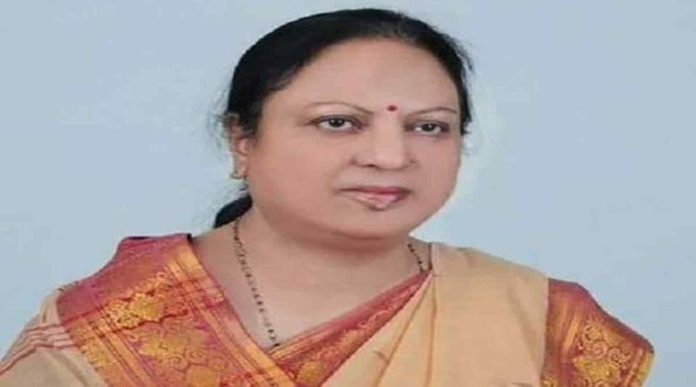
New Delhi (NVI): UP minister Kamal Rani Varun, who had tested positive for Covid-19, succumbed to the virus today. She was 52.

The minister was diagnosed with the virus on July 18. She breathed her last at PGI Hospital in Lucknow.

Kamal Rani Varun served as the Minister of Technical Education in the Yogi Adityanath government. She got elected from Kanpur’s Ghatampur in 2017 and was known to be a prominent fighter for women empowerment in her area.

-ARK

India’s Covid tally crosses 17 lakh mark with 55,000 new cases

New Delhi (NVI): The total number of confirmed coronavirus cases has crossed the 17 lakh mark in India with 55,000 new cases. The country has recorded a jump of over 1.5 lakh cases in the past three days.

According to the Health Ministry data, 853 casualties took place in the last 24 hours, taking the death toll to 37,364.

Meanwhile, there are total 17,50,724 confirmed cases so far out of which 5,67,731 are active cases amd 11,45,630 have been cured. With this, the recovery rate stands at 65.43 per cent at present.

A total of 1,98,21,831 samples have been tested in the country so far. The positivity rate, i.e., percentage of patients who have tested positive for coronavirus, stood at 11.81 per cent.

In another development, the Delhi government yesterday reduced the number of containment zones from 715 to 496 following extensive assessment of the sealed areas in the last two days.

Covid-19 has infected over 18 million people in the world and 6.84 lakh have died of the virus.

The World Health Organisation has said that the said it expects the Covid-19 pandemic to be of “lengthy duration” and that it remains “a public health emergency of international concern.” “The pandemic is a once-in-a-century health crisis, the effects of which will be felt for decades to come,” WHO Director-General Tedros Adhanom Ghebreyesus said yesterday.

-ARK

India to start export of domestically manufactured ventilators

Representational image

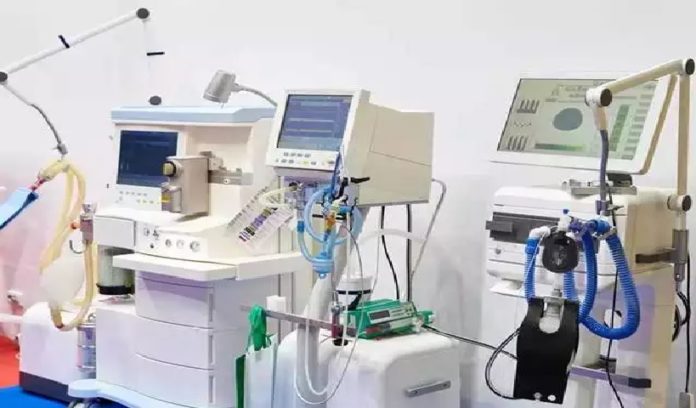
New Delhi (NVI): India will now export indigenous ventilators as the country continues to maintain low case fatality rate of COVID-19 patients, Ministry of Health and Family Welfare today said.

The Group of Ministers (GOM) on COVID-19 have considered and agreed to the proposal of the Health Ministry allowing the export of made-in-India ventilators.

This decision has been communicated to the Director General of Foreign Trade (DGFT) for further needed action to facilitate the export of domestically manufactured ventilators.

“This significant decision comes on the heels of India continuing to maintain a progressively declining low rate of case fatality of COVID-19 patients, which currently stands at 2.15 percent, which means that fewer numbers of active cases are on ventilators. As on July 31, 2020, only 0.22 percent of the active cases were on ventilators across the country,” said a statement from Union health ministry.

Additionally, there has been substantial growth in the domestic manufacturing capacity of ventilators. Compared to January 2020, there are presently more than 20 domestic manufacturers for ventilators, it added.

The export prohibition or restriction on ventilators was imposed in March 2020 to ensure domestic availability to effectively fight COVID-19. All types of ventilators were prohibited for export from March 24. Now with export of ventilators having been allowed, it is hoped that domestic ventilators would be in a position to find new markets for Indian ventilators in foreign countries.

The gap between recovered patients and active covid-19 cases currently stands at 5,29,271. Active cases stand at 5,65,103 and are under medical supervision while the number of recovered cases have reached 10,94,374.

-CHK

MP Amar Singh passes away

New Delhi (NVI): Rajya Sabha member and former Samajwadi Party leader, Amar Singh, died today at a hospital in Singapore. Singh had been undergoing treatment at the hospital for several months and had lately been admitted to its intensive care unit.

Singh, 64, had undergone kidney transplant in 2011 and was not keeping well for a long time.

The flamboyant businessman-politician, who was once counted as India’s most influential icons from industry, politics and Bollywood among his closest friends, had been a key player in the cut and thrust of Indian politics till about a decade ago.

His Twitter handle remained active till hours before the news of death emerged, as he paid tributed to Bal Gangadhar Tilak and also wished people on Eid.

Leaders across the political spectrum condoled Amar Singh’s death and said he was one of those politicians who had friends in all parties

Prime Minister Narendra Modi tweeted, “Amar Singh Ji was an energetic public figure. In the last few decades, he witnessed some of the major political developments from close quarters. He was known for his friendships across many spheres of life. Saddened by his demise. Condolences to his friends & family. Om Shanti.”

“Deeply saddened to learn that Shri Amar Singh, a dear colleague and member of Rajya Sabha is no more. I have been enquiring about his well-being and we were in constant touch during his treatment in Singapore. I was hoping that he would recover and return home soon,” Vice President Venkaiak Naidu tweeted.

-CHK

Smart India Hackathon: NEP will transform job seekers into job creators, says PM Modi

Prime Minister Narendra Modi

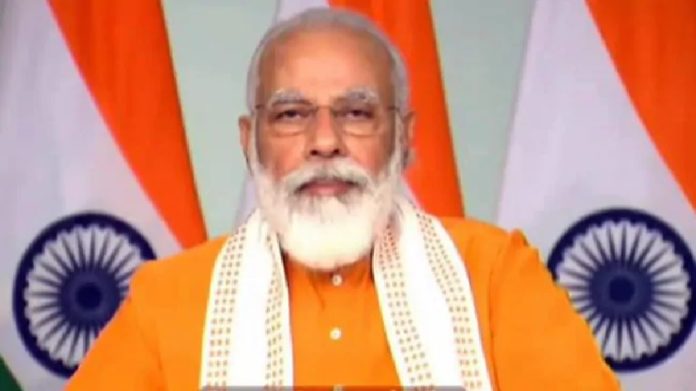
New Delhi (NVI): The New Education Policy (NEP) is not just a policy but a compilation of aspirations of all the Indians. It will convert job seekers into job creators, said Prime Minister Narendra Modi while interacting with the finalists of the Smart India Hackathon via video conferencing.

The hackathon, being held from August 1 to 3, is a nationwide initiative to provide students with a platform to solve some of the pressing problems people face in daily lives, and thus inculcate a culture of product innovation and a mindset of problem-solving.

PM Modi interacted with the students and inquired about their projects ranging from women’s hygiene products to crime detection technologies to water harvesting.

“This Hackathon is not the first problem you have tried to solve. Nor is this the last. I want you, and youngsters like you to not stop doing three things: Learning, Questioning, Solving. When you learn, you get the wisdom to question,” he said.

The Smart India Hackathon, held by All India Council of Technical Education (AICTE), was inaugurated by HRD Minister Ramesh Pokhriyal.

Each winning team across the themes will get Rs 1 lakh. The competition will take place virtually this year. It had started in 2017 and this is its fourth edition. This year, over 4.5 lakh entries were received for the competition.

The Prime Minister during his address also spoke about the New Education Policy that was launched on July 29. He said that it took 5 years to plan and draft the NEP 2020. Opinions and suggestions were taken from people in different sectors, before drafting the policy.

He further added, “The NEP is keen on keen on inclusion, right from primary education. In higher education, the aim is to increase gross enrolment ratio to 50 percent by 2035.”

-CHK

These countries most at risk from falling tourism due to COVID-19

Barcelona, the cosmopolitan capital of Spain’s Catalonia region

New Delhi (NVI): The global travel restrictions put in place to reduce the coronavirus pandemic have had a devastating effect on countries depending on tourism industry.

The World Travel and Tourism Council (WTTC) data shows countries that stand the most to lose from a downturn in tourism are Italy and Spain – which have been among the countries hit earliest and hardest by the coronavirus crisis.

Both the countries are among the most vulnerable to the economic fallout of the pandemic as they are highly dependent on tourism.

They heavily rely on travel and tourism, which has come to a screeching halt in the past months and remains very limited to this day despite gradual reopening.

Moreover, both the countries have struggled economically even before the outbreak, with high levels of public debt and unemployment rates among the highest of all OECD countries.

According to the WTTC data, travel and tourism contributed 14.3 and 13.0 percent, respectively, to Spain’s and Italy’s GDP last year.

It included direct contributions from hotels, travel agents, airlines, restaurants and others as well as ripple effects from the billions of dollars or euros for that matter, that tourists bring to their shores.

Apart from this, in the United States, the total impact of travel and tourism was considerably smaller at 8.6 percent of GDP.

Even at that lower rate, travel and tourism directly supports more than 6 million jobs in the United States, with the total contribution to employment amounting to 16.8 million jobs in the US, according to WTTC data.

-RJV/CHK

2 Indian teens discover Earth-bound asteroid near Mars

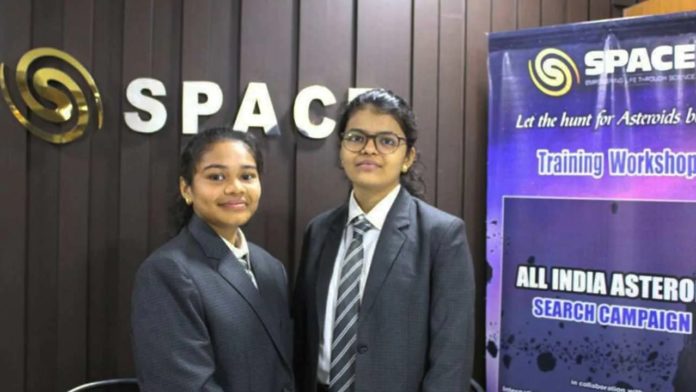
Vaidehi Vekariya and Radhika Lakhani sharing the limelight after their discovery. (Image: SPACE Surat/Facebook)

New Delhi (NVI): Two teenage girls from India have discovered an Earth-bound asteroid, which is presently near Mars, by poring through images from a University of Hawaii telescope.

The asteroid orbit is expected to cross that of Earth in about one million years’ time, said SPACE India, a private institute where the two girls have received training.

Vaidehi Vekariya and Radhika Lakhani, both 14 and in 10th grade, belong to Surat in Gujarat, and were participants in a project sponsored by SPACE India and NASA. The project allows students to look at images from a telescope in Hawaii, a space education institute in India reported recently.

“I look forward to.. when we will get a chance to name the asteroid,” said Vaidehi Vekariya, who added that she wants to become an astronaut when she is older.

The asteroid, currently called HLV2514, may be officially christened only after NASA confirms its orbit.

Radhika Lakhani, the other student, said she was working hard on her education. “I don’t even have a TV at home, so that I can concentrate on my studies.”

The girls used specialised software to analyse the images snapped by the Pan-STARRS telescope in Hawaii, and made the discovery in June, SPACE India said.

Asteroids and comets pose a potential threat to Earth, and scientists discover thousands of them each year. In 2013, an asteroid heavier than the Eiffel Tower exploded over central Russia, leaving more than 1,000 people injured from its shockwave.

-CHK

MUST READ