Friday, April 3, 2026
Home Blog Page 1323

COVID-19 death toll goes up to 19 in India, total cases rise to 918

(Updating earlier copy)

New Delhi (NVI): The total number of coronavirus cases in India rose to 918 today and 19 people have died from the pandemic, according to the Health Ministry.

In these updated figures, the ministry stated two new deaths.

So far, deaths have been reported from states are Maharashtra (4) ,Gujarat(3) Karnataka (2) and one each from Madhya Pradesh, Tamil Nadu, Bihar, Punjab, Delhi, West Bengal, Jammu and Kasmir and Himachal Pradesh.

At present, there are 819 active cases, 78 cured or discharged and 1 migrated COVID-19 patient.

World economy has entered recession worse than 2009: IMF

New Delhi (NVI): Coronavirus has forced the global economy into recession which might be worse than the one witnessed in 2009, the International Monetary Fund (IMF) said today.

It, however, added that the world can rebound next year if the pandemic is contained and liquidity issues are addressed.

As per IMF’s current estimation, the finance needs of emerging markets is $2.5 trillion, a lower-end estimate for which their own reserves and domestic resources would not be sufficient.

”We have reassessed the prospect for growth for 2020 and 2021. It is now clear that we have entered a recession as bad as or (even) worse than in 2009,” the IMF’s Managing Director Kristalina Georgieva said at a press briefing following a conference call of the International Monetary and Financial Committee (IMFC).

”We project a rebound in 2021, but only if we contain the virus and prevent liquidity problems from becoming a solvency issue,” she said.

Many of the emerging markets will experience a contraction as necessary containment measures take their toll, and are shocked by reduced global demand for their exports – tourism, commodities, and manufactured goods that provide critical streams of foreign exchange, she said.

The IMF has launched policy actions tracker for 186 countries to see who is doing what, Georgieva said.

”We will be updating this information regularly and will provide country-specific analysis in line with our surveillance mandate,” she added.

She also said that G20 yesterday reported fiscal measures totalling some 5 trillion dollars or over 6 % of global GDP.

A key concern about a long-lasting impact of the sudden stop of the world economy is the risk of a wave of bankruptcies and layoffs that not only can undermine the recovery but can erode the fabric of our societies, she said.

She further suggested, ”To avoid this happening, many countries have taken far-reaching measures to address the health crisis and to cushion its impact on the economy – both on the monetary and on the fiscal side.”

Civilian shot dead in south Kashmir

Representational Picture

Mubashir Bukhari

Srinagar (NVI): Unidentified gunmen shot dead a civilian in Kulgam district of south Kashmir this evening.

According to police, suspected gunmen fired upon Mehraj-Ud-Din Bhat at Redwani area of Kulgam and injured him.

Bhat, who was an auto-driver by profession was shifted to a local hospital where he succumbed to his injuries.

According to doctors, who operated upon him, Bhat had received five bullet wounds in his arms and legs.

Soon after the incident, security forces launched a hunt to nab the assailants.

First microscopic image of novel coronavirus from India

New Delhi (NVI): A group of Indian scientists in Pune has managed to capture first images of coronavirus causing the COVID-19 disease. The images which were captured under a high-powered microscope were published in the Indian Journal of Medical Research (IJMR).

The severe acute respiratory syndrome coronavirus 2 (Sars-CoV-2), popularly known as the novel coronavirus has led to thousands of deaths worldwide, even as scientists across the globe are scrambling to find treatments and vaccines for the virus.

The image captured by Indian scientists was taken from the throat swab sample of the first laboratory-confirmed novel coronavirus patient in India, reported on January 30 in Kerala.

7 tips to maintain health during lockdown

New Delhi (NVI): As billions of people around the world are being forced to stay at home due to coronavirus, the World Food Programme (WFP) has some tips on healthy eating during this period.

The WFP advised people on do’s and don’ts of eating in quarantine that helps in thinking, working, and fending off disease.

However, there are no specific foods that can prevent coronavirus but a healthy diet can help promote a stronger immune system and protect one’s body against illness, according to the United Nations.

The nutritionists at WFP shared seven tips to maintain health in the face of coronavirus.

1. Hydrate

The body is made of about 75 per cent water. The usual recommendation is eight glasses per day of fluid. As we are less active during lockdowns, and may not feel as thirsty, it is important to set regular reminders to ensure we are hydrating our bodies.

For flavour and additional nutrients, add slices of cucumber, lemon or orange to the humble glass of water. Avoid sweetened beverages such as soft drinks and soda because of high sugar content.

2. GO foods

These foods are essential for energy, which is crucial for thinking, working, and fending off disease— think staples such as rice, pasta, bread and root crops. Choose things like wholegrain bread and mixed-grain rice, which release energy more slowly, fuelling you for longer and helping to maintain your weight.

3. GROW foods

These help physical growth, especially for children. GROW foods rebuild your body when you are unwell or have an infection. They are often required in small amounts but are essential to be consumed daily.

These include meat, fish, eggs, milk and other dairy products such as cheese and yoghurt. It’s worth buying UHT milk and other dairy products which have a long shelf life and freezing meat and fish.

Depending on the expiry date, eggs can be kept in the fridge for up to three weeks from the time of purchase. Eggs are a good source of low-fat protein and a range of vitamins.

Limit the consumption of canned meat because it is usually high in salt and fat. Canned tuna is a healthier alternative. Plant-based sources of proteins such as lentils and beans have a long shelf life and are rich in vitamins and minerals. Rinse dry foods thoroughly before cooking.

4. GLOW foods

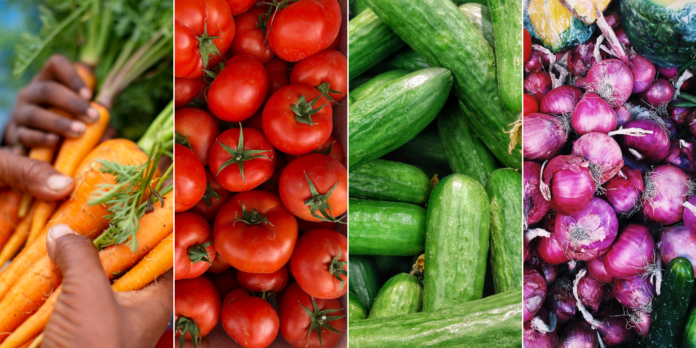
These make sure the body works well, help to protect the body from diseases and fight off illness. All foods have some vitamins and minerals, but colourful fruits and vegetables are generally rich in vitamins and antioxidants.

Build a colourful plate with:
Green fruits and vegetables: broccoli, spinach, cabbage, lettuce, Brussels sprouts, green beans, cucumbers, zucchini, peas, green pepper, green apples, kiwi, green grapes, lime, avocado.

Orange and yellow fruits and vegetables: carrots, pumpkin, sweet corn, sweet potato, yellow pepper, yellow tomatoes, yellow apples, apricots, oranges, grapefruit, peaches, mangoes, papaya, pears, pineapple.

Red fruits and vegetables: tomatoes, radishes, red cabbage, beets, red grapes, strawberries, watermelon, cherries, raspberries, pomegranates, cranberries, red apples.

Blue and purple fruits and vegetables: eggplant, purple cabbage, purple potatoes, blackberries, blueberries, purple grapes, plums, raisins, figs.

Preserved fruits and vegetables: whether canned, frozen, dried or fermented/pickled, these are a great alternative source when fresh fruits and vegetables are difficult to find due to seasonality or if they cannot be bought daily.

5. Fortified foods and supplements

Depending on your situation, fortified foods and supplements may be required or combined with meals to supply required nutrients, especially in contexts where diets are of poor quality and limited quantity due to food insecurity.

6. Exercise

Don’t forget to also squeeze in some physical activity! The World Health Organization recommends 30 minutes of physical activity a day for adults, and one hour a day for children. If allowed, go outside for a walk or a run, while keeping a safe distance from others. If you cannot leave the house, find an exercise video online, dance to music, do some yoga, or walk up and down the stairs.

7. NO foods — what to avoid

Foods that are high in fat, sugar and salt (heavily processed foods) are not considered part of a healthy diet. It’s particularly important at this moment to avoid these foods, as they do not provide any nutritional benefit.

Smoking can increase your chances of getting COVID-19: WHO

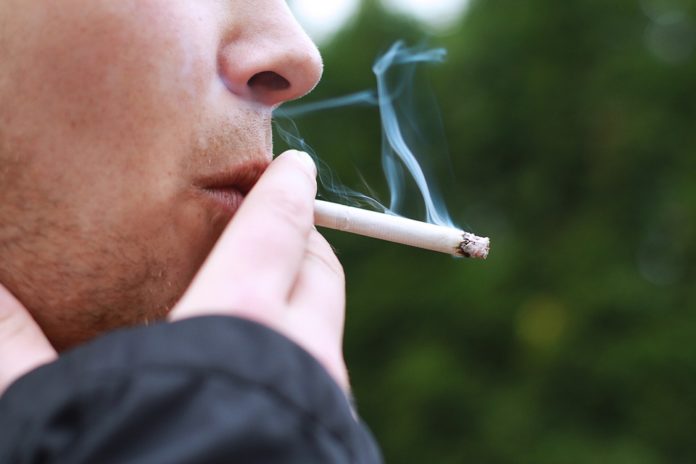
(Representational Image)

New Delhi (NVI): Smokers and tobacco users are at higher risk of COVID-19 infection, according to the World Health Organisation.

WHO says that smoking means that fingers (and possibly contaminated cigarettes) are in contact with lips which increases the possibility of transmission of the virus from hand to mouth.

So if you smoke, then you are more vulnerable to the coronavirus infection, as compared to a non-smoker.

“Quit smoking for a better health!!,” WHO tweeted while suggesting that the current COVID-19 situation across the world would be a good time to try and quit smoking or at least cut down on it.

Smokers may also already have lung disease or reduced lung capacity which would greatly increase the risk of serious illness, according to the global health body.

Apart from cigarettes, smoking products such as water pipes often involve the sharing of mouth pieces and hoses, which could facilitate the transmission of COVID-19 in communal and social settings, says WHO.

The report further states that conditions that increase oxygen needs or reduce the ability of the body to use it properly will put patients at higher risk of serious lung conditions such as pneumonia.

Tedros Adhanom Ghebreyesus, Director-General of the World Health Organization (WHO), also took to Twitter on March 21 and urged people to stop smoking as “it can increase the risk of developing severe disease, if one becomes infected with COVID-19”.

200 CRPF men under quarantine in Kashmir for safety purpose

J&K Bar Association issued 3 notices over its constitution
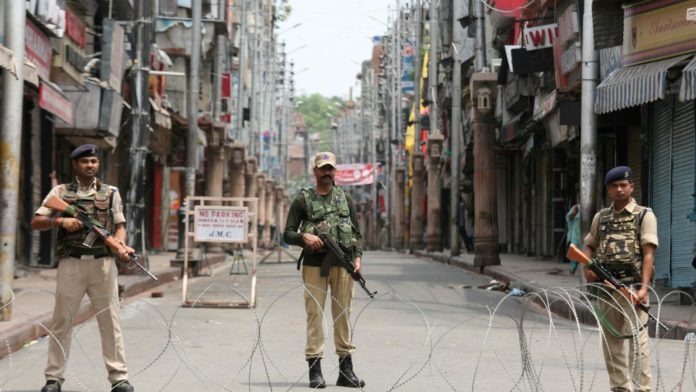
Kashmir (Representative Pic)

Mubashir Bukhari

Srinagar (NVI): Central Reserve Police Force (CRPF) has quarantined at least 200 men at different units across Kashmir to keep forces safe from COVID-19.

Till now, no CRPF personnel has been tested positive for coronavirus in Jammu and Kashmir.

CRPF spokesman in Srinagar, Pankaj Singh told NVI that they have quarantined the convoy which returned from Transit Camp Jammu.

“At Wazir Bagh Srinagar, we have quarantined 27 CRPF men as a precautionary measure,” he said.

Pankaj said that all CRPF men are provided with hand sanitizers and masks to keep COVID19 at bay.

Approximately 200 men including those in Srinagar are under observation at different units across Kashmir.

Besides, CRPF men have been asked to ensure social distancing and maintain highest level of hygiene.

Pankaj said that a team of doctors and paramedics are ready with all the necessary items and kits. “In case of any emergency, we are ready to handle. We have 10-bed wards where jawans with symptoms are being quarantine and we are increasing that,” he said.

He said that they are running awareness campaigns to educate the troops about the safety measures against COVID-19.

The CRPF spokesman said that the force is also conducting fumigation exercise along with major thrust on cleanliness at the camps and its surroundings.

When asked what all procedures CRPF men have to follow on duty, Pankaj said, “We have provided masks and sanitizers to every men and once they return from their duties, they have to change the clothes and take a bath.”

CRPF has already extended the leave of its personnel, presently on vacation outside the Union Territory, by 15 more days.

The officers have also been directed not to sanction leave to any personnel, except in the case of any emergency, during the next fortnight.

Pakistan: Congregational prayers banned in Sindh, Balochistan

(Source: Twitter)

New Delhi (NVI): Sindh and Balochistan provinces in Pakistan today banned the congregational prayers at mosques in an effort to contain the coronavirus pandemic.

Sindh has reported the highest number of COVID-19 cases at 421, while Balochistan has registered 131 infections, whereas the total number of confirmed cases stands at 1,193 confirmed in Pakistan, according to Dawn.

A substantial portion of the people infected is those who were travelling back from neighbouring Iran, which has been one of the worst affected countries by the pandemic.

Congregational prayers have been suspended by the Sindh government including Friday congregations, to maintain social distancing.

Meanwhile, Pakistan reported nine coronavirus deaths today.

UK PM Boris Johnson tests positive for coronavirus

Boris Johnson

New Delhi (NVI): British Prime Minister Boris Johnson today said that he has tested positive for coronavirus and is now in self-isolation.

Taking to Twitter, Boris said that he has developed mild symptoms over the past 24 hours and tested positive for coronavirus.

“Over the last 24 hours I have developed mild symptoms and tested positive for coronavirus,” Johnson said. “I am now self-isolating, but I will continue to lead the government’s response via video-conference as we fight this virus,” Johnson said on Twitter.

The prime minister was tested for coronavirus on the personal advice of England’s Chief Medical Officer, Professor Chris Whitty, reports in foreign media said.

Earlier on Wednesday, heir to the British Throne, Prince Charles of Wales also tested positive with the virus. He has been in self-isolation at his palace and is in stable condition.

As news of Boris testing positive came in, Prime Minister Narendra Modi wished good health to the UK PM and said that he (Johnson) is a fighter and will overcome this challenge as well.

“Dear PM @BorisJohnson, You’re a fighter and you will overcome this challenge as well. Prayers for your good health and best wishes in ensuring a healthy UK,” PM Modi tweeted.

More than 5,32,000 people have been tested positive of coronavirus globally and more than 23,000 people have died.

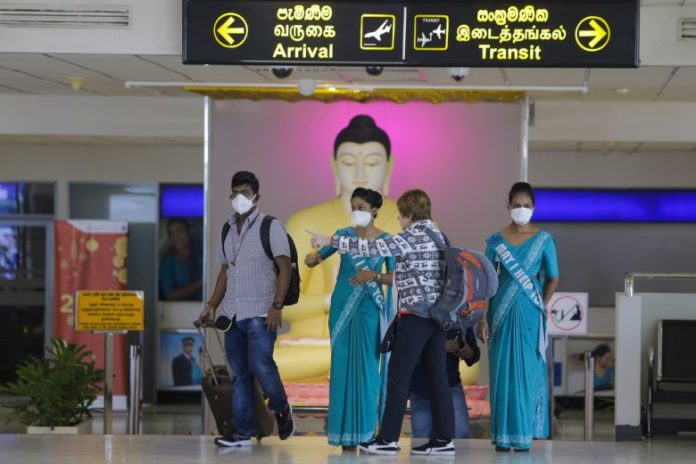
Coronavirus cases in Sri Lanka at 106; over 2,000 Indians stranded

New Delhi (NVI): The number of coronavirus cases in Sri Lanka has risen to 106, according to the country’s Health Ministry.

The country’s Health Promotion Bureau said that four new cases were confirmed yesterday. However, no fatalities due to the coronavirus contagion have yet been reported.

According to the Lankan media reports, 237 people including five foreign nationals are in hospitals under observation or receiving treatment.

Meanwhile, over 2,000 Indian nationals are among the 16,900 foreign tourists stranded in Sri Lanka due to the lockdown imposed by the government, according to the data published by the Sri Lanka Tourism and Development Authority.

MUST READ