
Friday, April 3, 2026
Home Blog Page 1336

Dairy Cooperative scheme in J&K to boost milk production

Jammu (NVI): The Jammu and Kashmir Administration today accorded sanction to the implementation of Dairy Cooperative scheme for Dairy Cooperative Societies in the Union Territory with the support of National Cooperative Development Corporation (NCDC).

The UT Administrative Council met here in this regard under the chairmanship of Lieutenant Governor GC Murmu.

The scheme endeavors to boost milk production in J&K through the empowerment of Dairy Cooperative Societies with easy financial assistance for production, processing, and marketing including the purchase of animals, rearing, augmenting their capacities, health care, development of infrastructure for milk processing, other by-products and creation of infrastructure to undertake marketing activities.

Under the scheme, the Government shall provide 50% of the loan and 20% of the share capital to the beneficiary Cooperative Societies. While as a subsidy to the tune of 25% shall also be provided by the Government to the beneficiaries and owners contribution in the scheme shall be only 5%, said an official statement.

The scheme with the sponsorship of NCDC will facilitate the establishment of integrated dairy projects with the provision for technical inputs for farmer’s organizations, mobile veterinary care, artificial insemination, expansion/renovation of milk collection centers, packaging units and chilling plants, purchase/rearing and breeding of milch animals, setting up of small feed mixing manufacturing units, testing laboratories, establishment/expansion of effluent treatment plants, milk parlors and establishment of a technical and promotional cell.

For smooth implementation of the scheme, an Apex Level Monitoring Committee to be headed by Registrar Cooperative Societies, Jammu & Kashmir and Additional Registrars of the Division as its members shall also be constituted.
Ensure free flow of information on COVID-19: IFJ to China

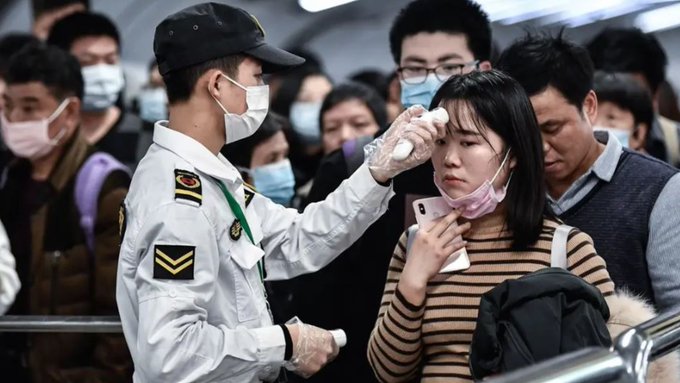
New Delhi (NVI): Amid the coronavirus outbreak, the International Federation of Journalists (IFJ) has urged Chinese authorities to ensure free flow of information around COVID-19, to allow its own citizens and the global community to remain informed.

The pandemic is still active with a number of cases being reported daily across the world. Amid the ongoing global crisis, the IFJ remains particularly concerned about the censoring of key reports on the coronavirus.

“The Chinese authorities’ response to the crisis is being closely monitored for undue censorship on critical information,” the group said in a statement today.

IFJ has claimed that an important report, based on an interview with the director of the Wuhan Central Hospital Emergency Rescue Unit, has been blocked in China and copies of the publication have been removed from sale.

“First published in China’s People magazine, ‘Whistlemaker’ was published in the week beginning March 9 and documented Dr Ai Fen’s account of the coronavirus (COVID-19) pandemic as the first doctor to identify the virus,” the group says in its report.

“She subsequently went on to share this report among medical doctors in Wuhan, including ‘whistleblower’ Dr Li Wenliang, who alerted other doctors about the potential danger of the virus on 30 December, 2019,” it says.

Shortly after, the authorities accused Dr Li of spreading rumours. Li was later exposed to the coronavirus while treating a patient and succumbed to the virus on February 7, 2020.

IFJ further stated in its report that Netizens across China argue that the report exposed otherwise unknown aspects of the pandemic to the public.

In a bid to counter China’s censors, netizens created a variety of versions of the report including posting it in different languages, using Chinese internet slang as well as Chinese calligraphy. The various versions available in the Chinese online space were gradually all removed, it said.

The federation, it report further states that the authorities have tightened control over China’s online space even further after the outbreak of coronavirus. This included an order put into effect from March 1 that all “content should be mainly positive, uplifting and devoid of rumours,” it said.

The IFJ report has also accused China of cracking down on freedom of expression related to COVID-19 which includes the arrest and disappearances of activists and journalists reporting on the coronavirus pandemic in the epicentre of the outbreak in Wuhan province. These include Li Zehua, Chen Qiushi and Fangbin, it claimed.

However, the group also stated in its statement that a breakthrough in China’s transparency came on March 19 when the Chinese government concluded that local authorities in Wuhan had acted inappropriately in their treatment of the late Dr Li. “The authorities noted Dr Li’s positive influence in raising the alarm around the coronavirus and said two officers involved in the matter had been reprimanded,” it said.

In it’s appeal to China for for ensuring free flow of information, IFJ said: “The control over information by the Chinese authorities at this time is highly concerning. The IFJ reaffirms that the access to public information is critical, particularly during the public health crisis we are currently facing. The IFJ urges the Chinese authorities to consider its country’s place in the global community and the need for free flow of vital information at this unprecedented time.”

J&K: 3,330 persons under observation, 4 test positive

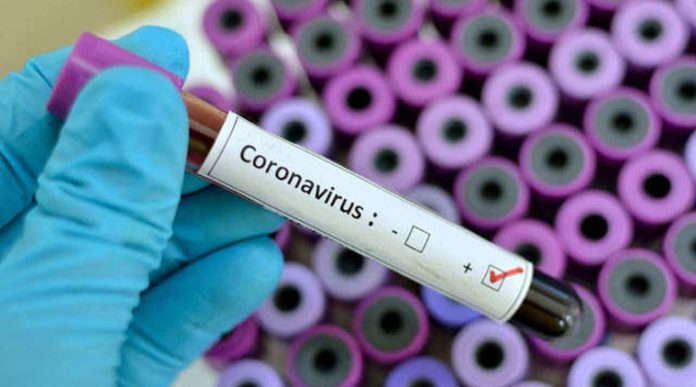
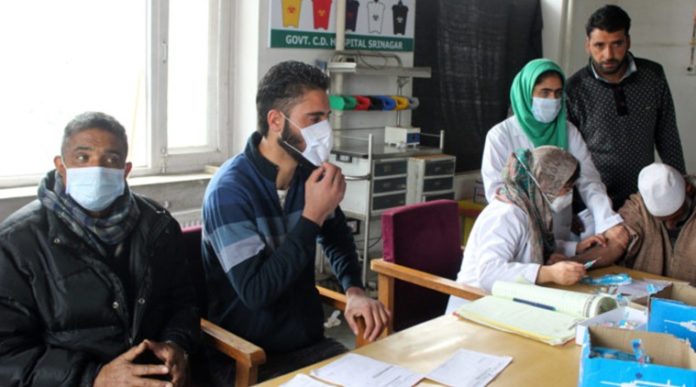
Jammu (NVI): A total of 3,330 travelers and persons in contact with suspected coronavirus cases have been enlisted for observation and, so far, only four cases have tested positive in Jammu and Kashmir, the UT Government said in a statement today.

According to the daily media bulletin on novel coronavirus, 2,465 persons have been kept under home quarantine while 44 are in hospital quarantine.

416 persons are under home surveillance while 405 persons have completed their 28-day surveillance period.

The bulletin further said that 186 samples have been sent for testing of which 178 have been tested as negative and only four cases have tested positive, so far while four reports were still awaited.

Meanwhile, a 24×7 toll-free national helpline number 1075 has been activated for support, guidance, and response to health-related queries on novel coronavirus disease. The government of Jammu and Kashmir has also set up helpline numbers in this regard: 0191-2549676(UT level Cell for J&K), 0191-2520982(Jammu Division),0194-2440283 and 0194-2430581(Kashmir Division).

The government has appealed that any person with travel history to COVID-19 affected countries or persons in contact with such a traveler, whether they are having symptoms or not, must remain in 14 days home quarantine. If any person feels unwell having cough, fever or difficulty in breathing that person should avoid exposure to others and seek medical care at the earliest.

The Government has also urged the general public to maintain social distancing as it is the key to stop and prevent the spread of Covid-19 from those who are infected.

“The intervention includes remaining out of crowded settings, avoiding mass gatherings, and maintaining distance (approximately 6 feet or 2 meters) from others when possible,” the government advisory said.

Further, the Government has appealed people to not panic and take care of health and protect others.

“Public, in general, is advised to avoid unnecessary travel and use of public transport. Avoid unnecessary travel and use of public transport; avoid crowded places and large gatherings, do not spit in public. People must take basic precautions for personal hygiene; frequent handwashing with soap and observing coughing and sneezing etiquettes,” the Government advisory added.

The advisory also calls upon the general public to strictly follow the advisories issued by the Government from time to time and rely only on the information released by the Government through the daily media bulletin to print and electronic media.

SERB invites proposals on COVID-19 to ramp up R&D efforts

New Delhi (NVI): Science & Engineering Research Board (SERB), an autonomous institution of the Department of Science & Technology has invited proposals on COVID-19 to ramp up Research and Development (R&D) efforts for finding an effective and affordable vaccine for the disease.

The proposals have been invited as part of a special call under IRHPA (Intensification of Research in High Priority Area) scheme specifically designed for COVID-19 and related respiratory viral infections to ramp up national R&D efforts for new antivirals, vaccines, and affordable diagnostics, the Ministry of Science and Technology said in a statement here today.

As part of the initiative, academic and research institutions have been encouraged to submit competitive proposals having a strong interdisciplinary component between chemists, biologists, virologists, immunologists, and clinicians, in the related areas and to focus on the development of affordable diagnostics, vaccines, antivirals, disease models and other R&D to study these infections.

The participating institutions should have access to BSL-3 (Bio-safety level 3), along with the expertise of handling respiratory viruses as per WHO/Government of India protocols.

The Proposals should be submitted as per SERB-IRHPA format by March 30, through the SERB online portal.

The proposals may focus on some of the key topics such as:

– New or repurposed antivirals against valid viral targets; viricidal coatings; etc.

-Affordable diagnostics for symptomatic and asymptomatic respiratory viral infections

– Investigational vaccines against respiratory viruses

– Response of virus to temperature, humidity and UV radiation

– Development of disease models for respiratory infections

– Studies on immune response and immunity during respiratory viral infections

– Epidemiology of COVID-19 and other respiratory viral infections

Unlike any global health crisis in UN history: Guterres on COVID

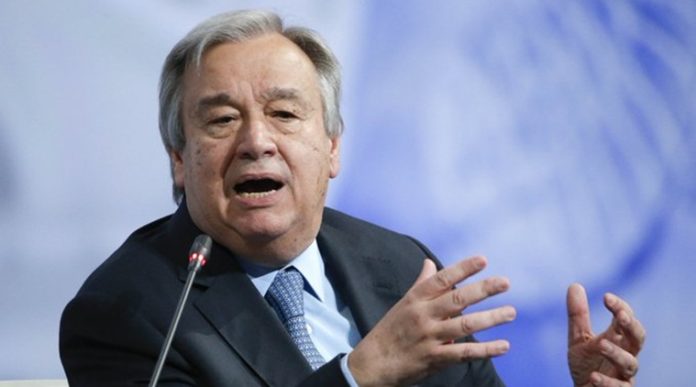
United Nations (NVI): UN Secretary-General António Guterres has said that coronavirus is a global health crisis unlike any other, in 75 years history of the United Nations.

Addressing his first virtual press conference yesterday, Guterres said, ”Unlike any global health crisis in the 75-year history of the United Nations, the coronavirus pandemic is “spreading human suffering, infecting the global economy and upending people’s lives.”

Calling for global solidarity, he said, “Our human family is stressed, and the social fabric is being torn. People are suffering, sick and scared.”

As public fear and uncertainty grow around the COVID-19 pandemic, “more than ever before, we need solidarity, hope and the political will to see this crisis through together,” he said.

“Coordinated, decisive and innovative policy action” is needed from the world’s leading economies, he said adding that he looks forward to participating in the G20 leaders’ emergency summit next week to respond to the pandemic’s “epic challenge”.

“My central message is clear”, he spelled out: “We are in an unprecedented situation and the normal rules no longer apply”.

Indicating that “we are at war with a virus”, the UN chief stressed that creative responses “must match the unique nature of the crisis–and the magnitude of the response must match its scale”.

He cited a new International Labour Organization (ILO) report stating that workers could lose some $3.4 trillion in income by year’s end. But the world is not experiencing an ordinary shock in supply and demand, “it is a shock to society as a whole”, he said.

Appealing for a global financial commitment, he noted that the International Monetary Fund (IMF), World Bank and other international financial institutions would play a key role. He encouraged dismantling trade barriers and re-establishing supply chains.

He also spoke of the pandemic’s impact on women, stating that they are “disproportionally carrying the burden at home and in the wider economy” and on children, noting that more than 800 million are currently not in class, “many of whom rely on school to provide their only meal”.

Against this backdrop, Guterres final point was that we have a responsibility to “recover better”. ”We must ensure that lessons are learned and that this crisis provides a watershed moment for health emergency preparedness and for investment in critical 21st century public services and the effective delivery of global public goods”, he said.

Pointing to the 2030 agend of Sustainable Development and the Paris agreement on Climate Change, he said, ”We must keep our promises for people and planet.”

Sugar production drops due to droughts, heavy rains

Sugar Consumption
Representational image

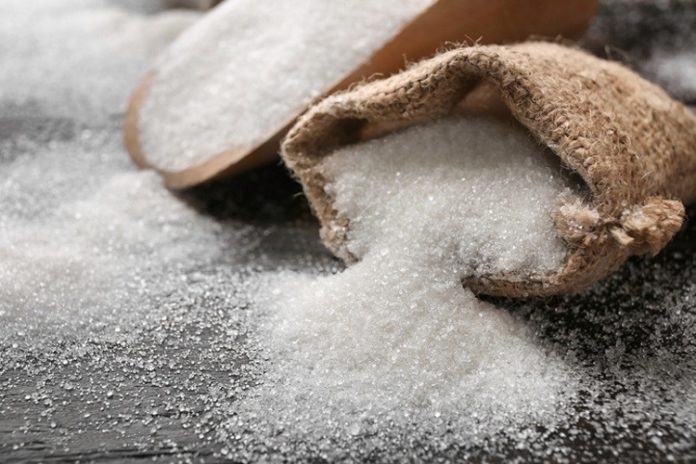
New Delhi (NVI): A significant decline in sugar production has been reported in the current season 2019-20(October-September), mainly due to a fall in the production of sugarcane in major sugar-producing states of Maharashtra and Karnataka.

The fall in production of sugarcane is due to drought in some parts and heavy rains & floods in some other parts of these states, Minister of State for Fisheries, Animal Husbandry and Dairying, Ramvilas Paswan, told Rajya Sabha today.

“In the current sugar season of 2019-20, the sugar mills in the country have produced about 213 Lakh Metric Tonnes (LMT) of sugar till March 17, as against 242 LMT in the corresponding period of previous sugar season,” he said.

During the first three months of the current sugar season, the sugar production was about 79 LMT as against 112 LMT achieved during the corresponding period of last sugar season 2018-19, the minister further stated.

In view of sufficient availability of sugar in the country, the sugar prices in the domestic market are stable which helped the sugar mills to clear the cane price dues of farmers at a steady rate, he added.

Delhi metro to be closed on Sunday

New Delhi (NVI): The Delhi Metro Rail Corporation (DMRC) today announced the closure of its services in the national capital on Sunday in the wake of ‘Janta Curfew’ declared by Prime Minister Narendra Modi to contain the spread of coronavirus.

“In the wake of ‘Janta Curfew’ to be observed this Sunday i.e., on 22nd March 2020, DMRC has decided to keep its services closed. The move is aimed at encouraging the public to stay indoors and maintain social distancing, which is essential in the fight against Covid-19,” DMRC said in a statement.

The total number of positive cases of coronavirus in Delhi yesterday rose to 14, according to Delhi Health Department.

Prime Minister Narendra Modi, while addressing the nation yesterday on the coronavirus outbreak asked people to observe ‘Janta Curfew’ and stay indoors on Sunday from 7.00 am to 9.00 pm.

CII proposes action plan for reviving travel & tourism sector

New Delhi (NVI): The Confederation of Indian Industry (CII) has proposed an action plan aimed at reviving the travel, tourism and the aviation sectors, in the wake of the ongoing coronavirus crisis.

CII has given suggestions for the tourism and hospitality, and the aviation sectors. The recommendations would allow the businesses to sustain their engagements while simultaneously enabling the Central Government to adhere to its fiscal responsibilities and mandates for the fiscal year.

For reviving growth in the tourism and hospitality sector, CII has proposed for a six to nine months’ moratorium on all working capital principle, interest payments on loans and overdrafts bringing in liquidity allowing for business continuity, without categorizing the companies as NPAs.

Apart from this, the trade body has also called for the deferment of GST and advance tax payments at the Central Government level and removal of fees for upcoming licenses, renewal of permits, excise exemption for liquor for the hospitality and travel industry across states.

Furthermore, a 50 per cent reduction in Heat-Light-Power (HLP) costs has been suggested for sustaining businesses.

Amendments in the Export of Services (SEIS) and the Export Promotion Capital Goods (EPCG) have been sought on an urgent basis including the grant of extension in export obligation fulfillment period by an additional three years beyond 6 years, for all the licenses expiring during current and next 2 financial years, without attracting any penalty or interest.

Other actions such as advisory to airlines to not levy cancellation fees and issuance of full refunds or credit notes; deferring the proposed TCS on travel in the Finance Bill 2020; doubling the overdraft facility for the industry and immediate cash relief to avoid mass-layoffs; and financial support under the Mahatma Gandhi National Rural Employment  Guarantee Act or a similar scheme to be extended to the entire industry to prevent employment loss; have also been suggested.

For the aviation industry, CII proposes bringing Aviation Turbine Fuel (ATF) under the ambit of GST which would enable full input tax credit on all goods and services and provide long term relief to the airlines.

The industry also seeks rationalization of VAT across states up to 4 per cent as against the existing differential VAT rates across states or locations.

CII has also recommended a 100 per cent waiver on existing air navigation services (ANS) charges for the duration of COVID-19. Rebates on landing, parking and housing charges have also been suggested including a 100 per cent waiver of parking and housing charges for a temporary period of six months.

To provide immediate liquidity to reduce the current financial stress in the sector, CII has also requested the Government to intervene and urge airports to reconsider bank guarantees and security deposits.

As airline costs are substantially impacted by fuel costs, CII proposed extending unsecured interest free credit terms by oil companies to the sector.

J&K: Commission to determine Socially & Educationally Backward Classes

Jammu (NVI): The Jammu and Kashmir government has set up a Commission to decide, among other things, the criteria for classification of Socially and Educationally Backward Class in the Union Territory for potential reservation and other benefits.

According to an order issued by J&K’s Department of Law, Justice and Parliamentary Affairs, Justice (retired) G D Sharma has been appointed as the Chairperson and Rup Lal Bharti (retd IFS) and Munir Ahmed Khan, IPS, as members of the Commission.

The Commission shall make its final recommendations within a period of two years.

It shall, however, submit its first interim report (s) within a period of three months from the date of its constitution or by June 30, 2020, whichever is earlier.

The terms of the reference of the Commission for Socially and Educationally Backward Classes shall be;

1) To determine the criteria to be adopted in considering any section of the people in the Union Territory of Jammu and Kashmir as Socially and Educationally Backward Class.

2) Using the criteria to examine the current list of Socially and Educationally Backward Classes notified by the government from time to time for inclusion and exclusion of such classes in the list of Socially and Educationally Backward Classes.

3) Using the criteria to examine the inclusion of other Socially and Educationally Backward Classes in the list of Socially and Educationally Backward Classes.

4) To categorize the socially and educationally backward classes and examine the safeguards that should be provided to ensure balance and orderly development of all sections and classes of the Union territory of Jammu and Kashmir;

5) To examine the overall question of providing reservation for recruitment to various posts under the Government and or selections to various posts consistent with the need of ensuring the efficiency in administration and minimum standards for job requirements.

6) To present to the Government of Union Territory of Jammu and Kashmir a report(s) setting out the facts as found by the Commission and making such recommendations as it thinks proper for categorization of socially and educationally backward classes, as aforesaid and providing reservation for them and other communities,

7) Any other matter, which the Commission finds necessary to be considered and opine, arising out of the aforesaid Terms of Reference.

The Commission will also have Additional Terms of Reference for SCS/STS;

1) To examine the Constitution (Jammu and Kashmir) Scheduled Castes Order, 1956 and the Constitution (Jammu and Kashmir) Scheduled Tribes Order, 1989;

2) To present a report to the Government of Jammu and Kashmir which would be examined and sent to the Government of India for suitable inclusion or exclusion or modification of the Castes and Tribes in the aforesaid orders for their application to the Union Territory of Jammu and Kashmir;

3) Any other matter which the Commission finds necessary to be considered and opine arising out of the aforesaid Terms of Reference

Ladakh puts restrictions on inbound passengers at Leh airport

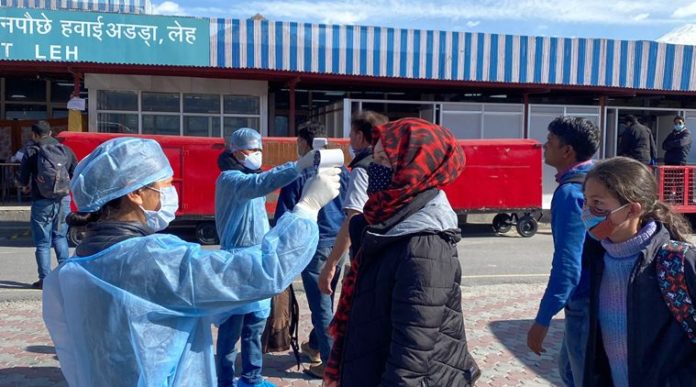
New Delhi (NVI): The Union Territory of Ladakh has advised airlines to not carry any in-bound passenger except locals, civil officers and security personnel to Leh till further orders, as part of preventive measures against coronavirus outbreak.

In a fresh order issued today, Ladakh administration said, ”No commercial flights landing at KBR airport, Leh shall carry in-bound passengers to Leh other than the residents of Ladakh, civilian officers and officers of uniformed forces serving in Ladakh, or on duty to Ladakh, till further orders.”

The decision was taken as a part of stringent precautionary measures against the spread of novel coronavirus disease, it added.

As of now in Ladakh, eight active cases of coronavirus have been reported. 58 people were quarantined in hospitals in the Union territory and 18 people including positive cases have been kept under isolation.

MUST READ