Tuesday, April 7, 2026
Home Blog Page 1416

Coronavirus: Army sets up quarantine facility in Manesar

New Delhi (NVI): The Indian Army has created a facility near Haryana’s Manesar, on the outskirts of Delhi, where around 300 Indian students will be quarantined after their arrival from Wuhan, the epicenter of coronavirus outbreak in China.

A 423-seater special Air India aircraft has been sent to bring the Indians, especially students, from Wuhan.

At the Manesar facility, the students will be monitored for a duration of two weeks by a qualified team of doctors and staff members to watch for any signs of infection.

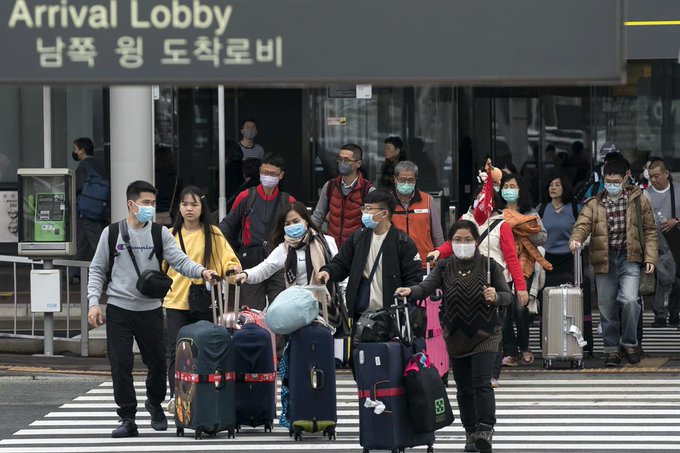
The students to be brought back from Chinese city Wuhan will be first screened at Delhi airport and then quarantined at Manesar.

If any individual is suspected to be infected, he/she will be shifted to the isolation ward at Base Hospital Delhi Cantonment (BHDC).

Screening at the airport will be done by a joint team of Armed Forces Medical Services (AFMS) and Airport Health Authority (APHO).

During the screening, they will be classified into three groups:

  1. Suspect Case: Individuals with any signs of fever and/or cough and/or respiratory distress will be directly transferred to BHDC.
  2. Close Contact: Any individual without symptoms but having visited a seafood/animal market or a health facility or having come into contact with a Chinese person with symptoms in the last 14 days will be escorted in an earmarked vehicle directly to the quarantine facility.
  3. Non Contact Case: Any individual without any symptom(s) or contact or who does not fit into either (a) or (b) will also be clubbed along with the close contact category and sent to the quarantine facility.

The facility at Manesar consists of accommodation barracks for the students, administrative areas and medical facility area. To prevent mass outbreak, the facility has been divided into sectors, each with a maximum capacity of 50 students. Each barrack has been further subdivided into barracks. The population of sectors will not be allowed to intermingle with each other.

Daily medical examination of all students will be done at the medical facility area and all the staff, health care workers and housekeeping staff must wear their personal protective equipment (PPE) at all times.

PPE consists of mask, eye shield, shoe cover, gown and gloves. Rest of the visitors and all students will wear a three layered mask at all times.

After 14 days, persons with no symptoms will be allowed to go home with their detailed documentation sent to the District/State surveillance units for further surveillance. Those found infected will be shifted to BHDC’s isolation ward for further medical exams and recovery.

Samples for viral confirmation will be sent to NCDC, Delhi and patients will be discharged only after clinical recovery and two successive negative samples tested for n-COV. Apart from playing games, watching TV and having meals together within a barrack, no one will be allowed to interact with the members of another barrack and definitely not another sector.

The facility will be administered by a nominated Officer In Charge (OIC) who will have under his command a Community Medicine Specialist, two Nursing Officers, a Lady Medical Officer and one Nursing Assistant. No civilian or serving personnel detailed to work inside the facility will be allowed to go outside unless compelled by extreme emergency situation.

The death toll due to coronavirus outbreak has mounted to 213 with the number of confirmed cases adding up to 9,692, China’s national authorities announced on Friday.

Nirbhaya: Court stays Feb 1 hangings  

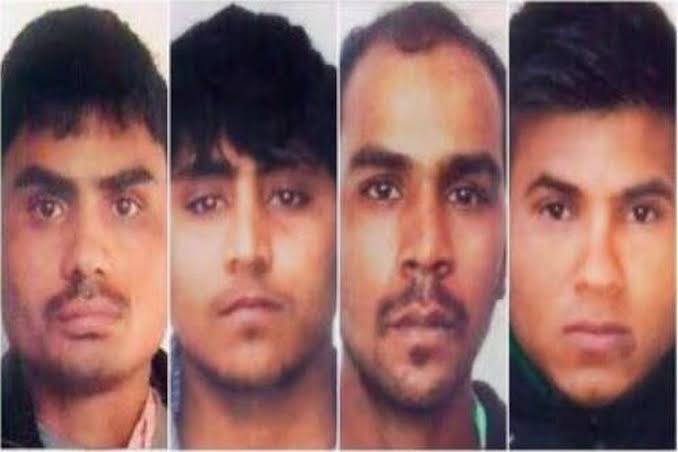
New Delhi (NVI): A Delhi Court today stayed the execution of four convicts in the December 16, 2012 Nirbhaya gangrape and murder case until further orders.

The execution of four convicts– Vinay Sharma, Akshay Thakur, Mukesh Singh, Pawan Gupta– was scheduled to take place at 6 am tomorrow. Multiple petitions have been filed by the four men in their attempts to stall their execution.

The Delhi court’s stay on the execution of convicts comes hours after the Supreme Court dismissed a plea filed by one of the convicts seeking a review of its order dismissing his juvenility claim. The review was filed earlier in the day by Pawan Gupta.

Of the four convicts, Mukesh Kumar Singh has exhausted all his legal remedies, including the clemency plea which was dismissed by President Ram Nath Kovind on January 17 and the appeal against the rejection was thrown out by Supreme Court on Wednesday.

On December 16, 2012, a 23-year-old woman was gang-raped and assaulted inside a moving bus in South Delhi by six persons, before being thrown out on the road. She later died on December 29, 2012, at a hospital in Singapore.

Coronavirus outbreak likely to affect Indian exports to China

New Delhi (NVI) As the Chinese novel coronavirus epidemic spreads to a number of countries in the world, the global health concern has raised business anxieties, with a likely effect on exports and imports around the globe, including India.

Trade Finance firm Drip Capital believes that in the present case scenario the virus outbreak may have a snowball effect on Indian exports to China which have been growing in recent years.

“The country is among the top three countries India exports to. Indian exports to China grew 25.6% to $ 16.75 billion in FY 2018-19 from a year ago and were projected to grow around 4% for FY 2019-20. However, if the spread of the new Wuhan coronavirus 2019-nCoV forces a prolonged lockdown in China, retail consumption and raw material demand are expected to fall,” says Pushkar Mukewar, CO-CEO, Drip Capital.

Seafood exporters in Kerala are already feeling the pinch, and prices of commodities like soybean and cotton are also facing uncertainty, says the Finance firm Drip Capital CEO.

“China is a huge driver of international trade, and an extended lockdown of the country because of the outbreak is likely to cause trouble for exporters in India and elsewhere,” says Pushkar Mukewar.

However, the CEO hopes that this scare is short-lived and business returns to normal with flourishing trade in the long term.

On Thursday, exporters urged the government to review the possible impact of deadly Coronavirus on trade as China is one of the top trading partners for India.
The situation is also likely to impact domestic mobile manufacturers as they import certain components from China.

UNCCD to welcome countries for new Peace Forest Initiative

Representative image

New Delhi (NVI): Cooperation in the management of natural resources can offer countries recovering from violent conflict an opportunity to achieve stability and trust while re-building livelihoods and economies. To meet this need, United Nations Convention to Combat Desertification (UNCCD) and the Korea Forest Service (KFS) have signed a unique global initiative to promote peace through land restoration.

This initiative will promote cooperation between countries to rehabilitate degraded land and forest in fragile and post-conflict locations while promoting peace and confidence.

Ibrahim Thiaw, Executive Secretary of the UNCCD and Chong-Ho Park, Minister of KFS, Republic of Korea, signed a Memorandum of Understanding (MoU) to establish the framework for the new initiative.

Bridging the goals of peace-building and land restoration, KFS and UNCCD have joined forces to realize the common sustainable development targets, including Land Degradation Neutrality (LDN).

“The Initiative will help address some of the most challenging situations of transboundary management of shared natural resources while promoting peace and cooperation. UNCCD is excited to join forces with The Republic of Korea and other key partners to launch this promising new endeavor,” Thiaw said.

“We have now embarked on our journey. The PFI is an effective tool to promote cooperation on the restoration of degraded land and forest in conflict-affected areas. Republic of Korea is committed to making this endeavour a great success. Together with UNCCD and other partners, we will continue to work together for peace and prosperity,” said Chong-Ho Park.

Launched on September 10, 2019, during the 14th Conference of the Parties to the UNCCD in New Delhi, India, the PFI will function as a practical platform to facilitate collaboration on sustainable land and forest management in diverse environments.

The UNCCD Secretariat welcomes the expression of interest from countries willing to work together to make the Peace Forest Initiative a reality and contribute to LDN implementation through partnership building for peace and security.

About Peace Forest Initiative and Land Degradation Neutrality

Land Degradation Neutrality (LDN) is a unique approach that balances the expected loss of productive land with the recovery of degraded areas. Today, over 120 countries with various economic and geographical conditions are successfully integrating voluntary LDN targets into their planning systems.

The PFI aims to forge a broad partnership engaging diverse stakeholders, including governments, civil society organizations, local communities, donors, technical experts and international organizations. The UNCCD secretariat will collaborate with partners including UN agencies, institutions and think tanks to deliver the objectives of the new initiative.

Nirbhaya case: Dummy execution held

New Delhi (NVI): Pawan Jallad, a hangman from the Meerut prison, conducted a dummy execution of 2012 Nirbhaya case convivts in Tihar jail today.

The hangman reported to the Tihar jail administration yesterday and is staying at the jail premises. Pawan, a third-generation hangman, tested the strength of ropes which will be used in hanging the four convicts tomorrow (February 1).

The four convicts– Vinay Sharma, Akshay Thakur, Mukesh Singh, Pawan Gupta– were convicted and sentenced to death for brutally raping a 23-year-old girl Nirbhaya in a moving bus on the intervening night of December 16, 2012 in south Delhi area.

#LATheKapoorWay: Los Angeles tourism partners with the Kapoor siblings

Sonam and Rhea Kapoor in Los Angeles. (Source: Instagram: sonamkapoor)
New Delhi (NVI): From shopping on famed Abbot Kinney in Venice and at Downtown L.A., to dining at world class restaurants like MTN, Los Angeles Tourism’s latest digital marketing campaign showcases the city’s phenomenal cultural, culinary, shopping and wellness offerings through the eyes of power siblings Sonam and Rhea Kapoor.
Building on its successful partnership with Sonam Kapoor and Anand Ahuja in early 2019, the siblings duo are featured in a new collaboration, teasers of which are live on Sonam and Rhea’s social channels.
The multi-part series follows the siblings as they explore the diverse neighborhoods of Los Angeles. The sisters experienced their favorite parts of the city together. The campaign also captures them taking in spectacular sights at Hotel Erwin’s rooftop, discovering the tastes of L.A. at the Original Farmers Market, and indulging themselves at the luxurious Ciel Spa at the SLS Hotel, a Luxury Collection Hotel, Beverly Hills.
Content will run on Los Angeles Tourism’s owned channels, on Sonam and Rhea’s social media accounts, and through paid media partnerships.
“There is a natural affinity between Los Angeles and India thanks to our shared love of film. We wanted to utilize this campaign to build on that affinity and show prospective Indian travelers the diverse options they have to eat, play and shop in L.A. through the eyes of our mutual friends, Sonam and Rhea Kapoor,” stated Don Skeoch, Chief Marketing Officer for Los Angeles Tourism & Convention Board.
“LA’s become like a second home to us. It’s just everything that I like about the States rolled into one package with sunshine and good weather around it,” said Rhea Kapoor.

“There is an outdoor vibe and so much emphasis on health, fitness, and good food. There is something for everybody,” said Sonam Kapoor.

‘Thalinomics’: Veg, non-veg thalis more affordable now

Representative image

New Delhi (NVI): The affordability of vegetarian thalis has improved by 29 per cent from 2006-07 to 2019-20, and for non-vegetarian thalis, it has improved by 18 per cent in this period, as per the Economic Survey report tabled in the Parliament today.

The survey also shows that the affordability of thalis in relation to a day’s pay of a worker has improved over time, indicating improved welfare of the common person.

The conclusion has been drawn on the basis of “Thalinomics: the Economics of a plate of food in India” – an attempt to quantify what a common person pays for a Thali across India.

Using the dietary guidelines for Indians, the price of thalis are constructed.

The survey states that across India, including the four regions– North, South, East and West– it is found that the absolute prices of a vegetarian thali have decreased significantly since 2015-16 though the price has increased in 2019.

This is owing to the sharp downward trend in the prices of vegetables and dal in contrast to the previous trend of increasing prices. As a result, an average household of five individuals that eats two vegetarian thalis a day, gained around Rs 10,887, on average per year, while a non-vegetarian household gained Rs 11,787, on average per year.

The Survey also states that 2015-16 can be considered as a year when there was a shift in the dynamics of thali prices. Many reform measures were introduced since 2014-15 to enhance the productivity of the agricultural sector as well as efficiency and effectiveness of agricultural markets for better and more transparent price discovery.

The Economic Survey says that food is not just an end in itself but also an essential ingredient in the growth of human capital and therefore important for national wealth creation.

Kashmir saffron crop produce increased in 2019

-By Mubashir Bukhari

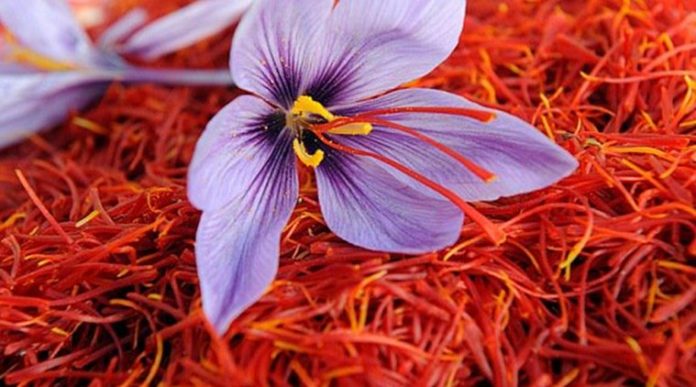
Srinagar (NVI): The saffron production in Kashmir increased to 4.07 kilogram per hectare in 2019 as compared to around past two years, when the crop suffered damage due to unfavourable climate conditions.

As per the figures compiled by Kashmir Agriculture department, the saffron production witnessed a decline of nearly 20 per cent in 2018-19.

But in 2019-2020, its production increased, for which the government gives credit to the favourable weather conditions and advanced farming practices adopted by the growers.

In 2017-18, the production of saffron couldn’t cross even 2.0 kg per hectare. In 2016, saffron production was at 4.42 kg per hectare.

Director, Agriculture Department Kashmir, Altaf Aijaz Andrabi said they are on a mission to increase the saffron yield to 7.5 kg per hectare from 4.07 kg per hectare, in the next three years.

Andrabi said, “The department has motivated growers to change their farming practices in order to increase production by three kg per hectare.”

“Farmers have agreed to adopt scientific methods. The department in coordination with farmers is on a mission to increase the production,” Andrabi said.

He said the advanced prophylactic (prevention of diseases) and soil health reclamation measures are being included in the farming this year.

“These measures will prove to be a game-changer in the saffron cultivation. Furthermore, using machines in saffron fields has brought down labour cost. The department also distributed mechanized weeders to the growers. Sprinkler system of irrigation is also being installed on priority,” Altaf added.

The government has also decided to rejig marketing strategy to promote Kashmiri saffron in the international markets. “We are waiting for the inauguration of the spice park. It will serve as a one-stop-shop for saffron export to various countries,” Andrabi said.

Saffron, which is cultivated mainly in four districts of Jammu and Kashmir — Pulwama, Budgam, Srinagar and Kishtwar — is in great demand for its medicinal, cosmetic and aromatic properties. The blossoms appear during mid-October to early November.

Near about 32,000 farmers are directly associated with saffron production in Kashmir.

Bilal Ahmad, a saffron grower from south Kashmir said that lack of facilities has discouraged farmers to the extent that they are gradually giving up its cultivation.

“New generation is least interested in saffron cultivation. We hope department will take measures to give a fillip to the saffron cultivation,” he said.

To revive the traditional saffron cultivation in the Valley, the then government had also launched National Saffron Mission in 2010.

The project was aimed at improving the saffron production by providing quality seeds and uninterrupted water supply.

The Centre had initially sanctioned Rs 371.18 crore to help generate a good yield and prevent its decline. Under the scheme, every farmer was promised a sum of Rs 25,000 for each Kanal (unit) and would be encouraged to adopt new technologies like seed diversification and transformation.

Recently, Prime Minister Narendra Modi-led BJP government said that they are working on a mission mode to double the production of saffron in Kashmir.

US planning to make entry of pregnant women difficult

Stil

New Delhi (NVI): The United States is planning to issue new guidelines which may make it more difficult for some pregnant women to obtain visas to visit the country, according to some media reports.

The forthcoming regulations are aimed at cracking down on what the Trump administration calls “birth tourism,” said the Universal News Network (UNN), citing an unnamed US State Department official and a Congressional aide.

The measure, if implemented, will be the latest in a series of the Trump administration’s efforts to restrict foreign travelers from reaching U.S. soil.

According to the Centers for Disease Control and Prevention, there were 3.8 million live births in the United States in 2018.

Most people who are born in the United States are entitled to U.S. citizenship, even if their parents are not citizens. It is unclear how many people travel to the United States to give birth each year with the intention of obtaining citizenship for their children; the U.S. government does not publish statistics on “birth tourism’, the UNN said.

It said officials with the Department of Homeland Security declined to comment, referring questions to the State Department.

The new rule, first reported by BuzzFeed, is expected to appear “shortly” in the Federal Register, according to the State Department official, who spoke on the condition of anonymity because the official was not authorized to discuss the rule before it is issued. A congressional aide briefed by the department also confirmed the new rule.

The guidelines, which the State Department will circulate to U.S. consular officers, will affect B1 and B2 nonimmigrant visas, otherwise known as temporary visas for business, tourism or medical treatment. The U.S. government issued 5.7 million B1 and B2 visas in fiscal year 2018, the media report said.

The official said the new guidelines will not prohibit pregnant women from obtaining visas but will extend discretion to consular officers, who will have to determine whether a woman is planning a visit to the United States solely for the purpose of giving birth. It is unclear how they would make that determination or whether they will try to verify pregnancies.

A congressional staffer, who spoke on the condition of anonymity to discuss a regulation that has not yet been published, said the State Department had a conference call Wednesday to tell lawmakers the broad strokes of the policy.

The Trump administration is concerned that pregnant women are coming to the United States to give birth and instantly claim U.S. citizenship for their children. Consular officers would use their judgment when screening cases, the staffer said, and would not ask every woman applying for a visa – some of which are valid for years – whether they are pregnant.

Consular officers already interview visa applicants about their reasons for travel and are expected to determine that their stay in the United States will be limited in duration before issuing visas.

The Center for Immigration Studies, a right-wing think tank that advocates for lower immigration levels, estimated that there are about 33,000 births per year to women who arrived in the United States on tourist visas and then left the country.

The organization said its estimate was “based on a combined analysis of birth certificate records and data collected by the U.S. Census Bureau. Both estimates represent a rough approximation, based on limited data, of the possible number of births to women who came to America specifically to have a child and then left once the child was born.”

WHO feels coronavirus spread can still be contained

New Delhi (NVI) : The World Health Organisation (WHO) believes it is possible to interrupt the spread of the novel coronavirus disease if the countries concerned take certain measures even as the global health body’s Director-General has declared it as a Public Health Emergency of International Concern  (PHEIC).

The International Health Regulations (2005) Emergency Committee of the WHO, which held a meeting in Geneva over the outbreak of novel coronavirus (2019-nCoV), said its spread can be contained provided countries put in place strong measures to detect disease early, isolate and treat cases, trace contacts, and promote social distancing measures commensurate with the risk.

The Committee’s role is to give advice to the Director-General, who makes the final decision on the determination of a PHEIC. The Committee also provides public health advice or suggests formal Temporary Recommendations as appropriate.

At the meeting, second since the outbreak, representatives of China’s Ministry of Health reported that there are now 7711 confirmed and 12167 suspected cases throughout the country.

Of the confirmed cases, 1370 are severe and 170 people have died, a statement issued by the WHO said, adding 124 people have recovered and been discharged from hospital.

The WHO Secretariat said there are now 83 cases in 18 countries. Of these, only 7 had no history of travel in China.

There has been human-to-human transmission in 3 countries outside China. One of these cases is severe and there have been no deaths.

At its first meeting, the Committee expressed divergent views on whether this event constitutes a PHEIC or not. At that time, the advice was that the event did not constitute a PHEIC, but the Committee members agreed on the urgency of the situation and suggested that the Committee should continue its meeting on the next day, when it reached the same conclusion, the statement noted.

This second meeting took place in view of significant increases in numbers of cases and additional countries reporting confirmed cases.

The Committee welcomed the leadership and political commitment of the very highest levels of Chinese government, their commitment to transparency, and the efforts made to investigate and contain the current outbreak, the statement said.

China quickly identified the virus and shared its sequence, so that other countries could diagnose it quickly and protect themselves, which has resulted in the rapid development of diagnostic tools.

The very strong measures China has taken include daily contact with WHO and comprehensive multi-sectoral approaches to prevent further spread. It has also taken public health measures in other cities and provinces; is conducting studies on the severity and transmissibility of the virus, and sharing data and biological material, it said.

The country has also agreed to work with other countries which need their support. The measures China has taken are good not only for that country but also for the rest of the world, the WHO statement said.

The Committee acknowledged the leading role of WHO and its partners.

The Committee also acknowledged that there are still many unknowns, cases have now been reported in five WHO regions in one month, and human-to-human transmission has occurred outside Wuhan and outside China.

“The Committee believes that it is still possible to interrupt virus spread, provided that countries put in place strong measures to detect disease early, isolate and treat cases, trace contacts, and promote social distancing measures commensurate with the risk,” the statement said, citing conclusions of the meeting.

“It is important to note that as the situation continues to evolve, so will the strategic goals and measures to prevent and reduce spread of the infection,” it added.

The Committee agreed that the outbreak now meets the criteria for a Public Health Emergency of International Concern and proposed the following advice to be issued as Temporary Recommendations.

“The Committee emphasized that the declaration of a PHEIC should be seen in the spirit of support and appreciation for China, its people, and the actions China has taken on the frontlines of this outbreak, with transparency, and, it is to be hoped, with success,” the statement said.

In line with the need for global solidarity, the Committee felt that a global coordinated effort is needed to enhance preparedness in other regions of the world that may need additional support for that, it said.

The Committee welcomed a forthcoming WHO multidisciplinary technical mission to China, including national and local experts.

It said the mission should review and support efforts to investigate the animal source of the outbreak, the clinical spectrum of the disease and its severity, the extent of human-to-human transmission in the community and in healthcare facilities, and efforts to control the outbreak.

This mission will provide information to the international community to aid in understanding the situation and its impact and enable sharing of experience and successful measures.

The Committee wished to re-emphasize the importance of studying the possible source, to rule out hidden transmission and to inform risk management measures

The Committee also emphasized the need for enhanced surveillance in regions outside Hubei, including pathogen genomic sequencing, to understand whether local cycles of transmission are occurring.

WHO should continue to use its networks of technical experts to assess how best this outbreak can be contained globally.

WHO should provide intensified support for preparation and response, especially in vulnerable countries and regions.

Measures to ensure rapid development and access to potential vaccines, diagnostics, antiviral medicines and other therapeutics for low- and middle-income countries should be developed.

The Committee did not recommend any travel or trade restriction based on the current information available.

The Director-General declared that the outbreak of 2019-nCoV constitutes a PHEIC and accepted the Committee’s advice and issued this advice as Temporary Recommendations under the IHR, the statement said.

It also issued an advisory to China and other countries, particularly emphasising on active surveillance, early detection, isolation and case management, contact tracing and prevention of onward spread.

The WHO reminded all countries that they are legally required to share information with it under the IHR and any detection of 2019-nCoV in an animal (including information about the species, diagnostic tests, and relevant epidemiological information) should be reported to the World Organization for Animal Health (OIE) as an emerging disease.

Countries should place particular emphasis on reducing human infection, prevention of secondary transmission and international spread, and contributing to the international response though multi-sectoral communication and collaboration and active participation in increasing knowledge on the virus and the disease, as well as advancing research.

The Emergency Committee will be reconvened within three months or earlier, at the discretion of the Director-General.

MUST READ