Saturday, April 4, 2026
Home Blog Page 1433

We’re still a player in search of identity: EU representative

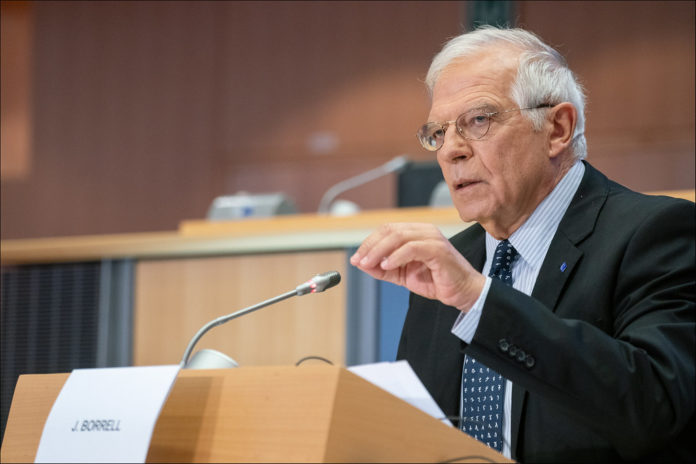
Josep Borrell, High Representative of the European Union (EU) for Foreign Affairs and Security Policy

New Delhi (NVI): The European Union (EU), often seen as a unifying body for Europe, has a fair share of challenges, according to its High Representative for Foreign Affairs and Security Policy Josep Borrell.

“We are still a player in search for identity,” Borrell said while addressing the Raisina Dialogue here.

He said a nation’s foreign policy is often a means to project itself as a unified entity on the international stage but “The diverse backgrounds and contexts of EU states makes this positioning increasingly difficult.”

Commonality does not imply uniqueness. This was the overarching message from the EU Representative on the final day of Raisina Dialogue held in the national capital.

He acknowledged the differing narratives of the history of the EU member states that shape its diverse conceptions of an ideal future. In order to deal with these inherent differences, he advocated for economic cooperation as reflected in the common Euro currency and social cohesion through porous borders.

Borrell also admitted the fact that the EU is “facing a nationalist and populist comeback” that is threatening the foundations of a “multilateral rules based order” espoused by the EU. To address the rise of such authoritarian regimes, Borrell made a call towards taking onus for shaping the future world order.

Since its inception, the EU had built its image on not using brute power, he said. However, this trend must change and enhancement rather than curtailment of power is necessary: “If we want to take destiny in our hands, we need to talk the language of power. Soft power is not enough.”

He also criticised the US withdrawal from the Iran nuclear deal and said that it jeopardised the progress made towards a stable and peaceful global regime.

Speaking on climate change, he urged for a will to fight the menace. “Let’s call it a green will,” he said while reiterating the EU’s commitment to be a carbon-neutral economy. While claiming that the EU is contributing “only 9 % of global emissions”, Borrell urged other developed countries also to join the journey towards zero-emission goal.

Indian External Affairs Minister S Jaishankar also held bilateral talks with the European Union High Representative for Foreign Affairs on Friday. In his meeting with Borrell, Jaishankar discussed global and regional issues, multilateralism, connectivity, and counter-terrorism.
Health Ministry reviews preparedness for Coronavirus 

cooling proize
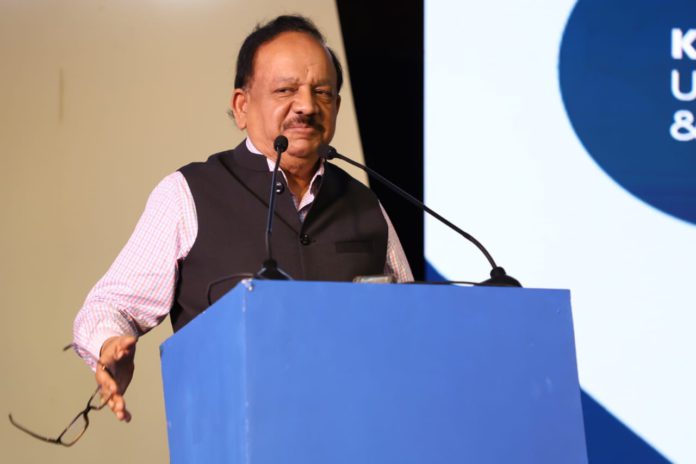
Union Health Minister Harsh Vardhan.

New Delhi (NVI): The Union Health Ministry today reviewed the preparedness for dealing with Novel Coronavirus after 41 confirmed cases of people affected by the virus were reported.

Union Health Minister Dr Harsh Vardhan has been monitoring the situation.

Health and Family Welfare Secretary Preeti Sudan is regularly reviewing the public health preparedness in the country since the news broke out.

As directed by the Health Ministry, meetings of the Joint Monitoring Group (JMG) were convened under the Chairmanship of Director General of Health Services (DGHS) on January 8 and 15 with representations from various stakeholders (health and non-health sectors) and WHO.

While speaking in New Delhi today, Preeti Sudan said that the public health preparedness is being reviewed on a day-to-day basis and the core capacities to timely detect and manage the importation of the nCoV into the country are being strengthened further.

She also mentioned that the situation is being monitored in consultation with WHO and keeping in view the limited human to human transmission the risk at global level is perceived to be low.

The first case was confirmed in a person who travelled to Wuhan, China. Japan and Thailand have also informed the (World Health Organisation) about the new cases of Chinese Coronavirus.

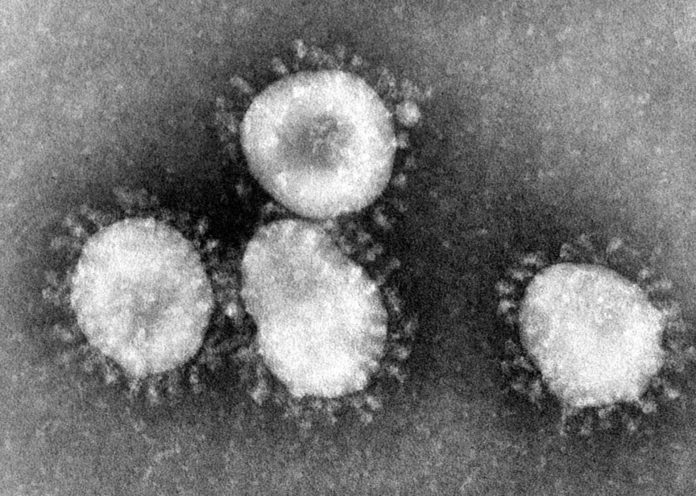
Coronaviruses are a large family of viruses, which cause illnesses to people and also circulate in animals including camels, cats and bats. Rarely, animal coronaviruses can also evolve and infect people.

According to the World Health Organization (WHO), the situation is still evolving and preliminary investigations suggest a link to the seafood market.

Missing Mumbai blast convict arrested

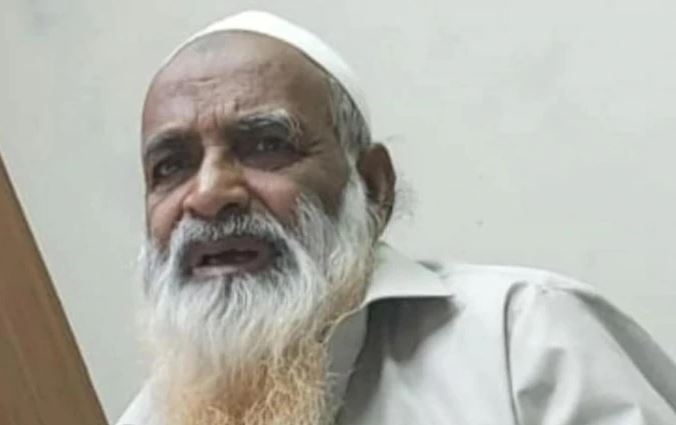
Jalees Ansari

New Delhi (NVI): Jalees Ansari, a convict in the 1993 Mumbai serial blasts, who was out on parole but disappeared on Thursday morning, was arrested by the UP Police in Kanpur today.

The 68-year-old convict, also known as ‘Doctor Bomb’ — for his alleged expertise in making bombs — was arrested by the police when he was coming out from a mosque in Kanpur, UP DGP OP Singh said. The officer added that Ansari has been brought to Lucknow.

The convict, who is currently serving a life imprisonment in Rajasthan, was out on a parole. According to police, Ansari had filed an application in the Supreme Court and was granted parole in December for 21 days.

He was produced at a police station in Mumbai, following which he got out on parole so that he can stay at his home in the city. He was granted parole on the condition that he has to mark his attendance at Agripada Police Station every day. On Wednesday, he came to the police station to mark his attendance but didn’t turn up on Thursday. Following this, his son lodged a missing complaint on Thursday at Agripada Police station.

Japan, Thailand confirm new cases of Coronavirus

New Delhi (NVI): The Japanese Ministry of Health, Labour and Welfare today informed the World Health Organisation of confirmed new cases of a novel Coronavirus that was found in a person who travelled to Wuhan, China.

This is the second confirmed case of the novel coronavirus (2019-nCoV) that has been detected outside of China, following confirmation of a case in Thailand. Considering global travel patterns, additional cases in other countries are likely, the WHO said in a tweet.

“Not enough is known about the novel coronavirus (2019-nCoV) to draw definitive conclusions about how it is transmitted, clinical features of the disease, or the extent to which it has spread,” the global health organisation said in another tweet.

Coronaviruses are a large family of viruses that cause illness ranging from the common cold to more severe diseases such as Middle East Respiratory Syndrome and Severe Acute Respiratory Syndrome. 2019-nCoV is a new strain that has not been previously identified in humans.

Nirbhaya: Fresh death warrants issued

New Delhi (NVI): A Delhi court today issued fresh death warrants and a new date to hang the four convicts in the 2012 Nirbhaya gangrape and murder case. The convicts will be hanged on February 1 at 6 am in Tihar Jail. This comes hours after President Ram Nath Kovind rejected the mercy petition of Mukesh Singh, one of the four convicts.

On Wednesday, the Delhi government had told the Delhi High Court that irrespective of a date and time fixed for the execution, it cannot take place as long as their mercy petition was pending before the President.

Mukesh Singh and the three other convicts– Vinay Sharma, Akshay Kumar and Pawan Gupta– were scheduled to be hanged on January 22 at 7 am in Tihar Jail.

Nirbhaya, a 23-year-old girl, was brutally raped and murdered on the night of December 16, 2012 in a south Delhi area.

Govt needs to notify e-pharmacy rules: FICCI

New Delhi (NVI): Industry body FICCI has expressed concern over the delay in notifying e-pharmacy rules by the government, saying that it is causing confusion and anxiety for all the stakeholders involved in digital health ecosystem.

E-Pharmacy has come up as an innovative way and attractive model in healthcare space. “In a span of just 4 years, e-pharmacy is successfully catering to a huge number of consumers across the country.

Federation of Indian Chambers of Commerce & Industry (FICCI) has been actively working to drive innovative models for healthcare access. It has been dynamically involved in the policy, strategy and capacity building for this sector.

e-Pharmacies operate on the inspiration taken from Prime Minister Narendra Modi’s vision of ‘Digital India’.

Currently, there are 50+ start-ups operating in e-Pharmacy space in the country, which provides quality and affordable medicines to about 50 lakh patients per month across the country and has served patients across 19000 + PIN codes.

About 30,000 skilled professionals are employed by the sector. e-Pharmacy sector has attracted Rs 4000 crore plus in FDI from some of the top global investors, and another Rs 2000 crore is expected in the next 2 to 3 years.

However, the delay in notifying the e-Pharmacy rules is causing a lot of issues for the e-Pharmacy players in terms of ease of doing business, as a simple and clear regulatory pathway is a prerequisite for innovation to thrive in this important sector.

Millennials see catastrophic war as real possibility

New Delhi (NVI): Millennials see catastrophic war as a real likelihood in their lifetime. In fact, most millennials surveyed by the International Committee of the Red Cross (ICRC) believe war is more likely to happen than a nuclear attack in the next decade.

A survey of more than 16,000 people in 16 countries and territories was conducted last year explored millennials’ views on conflict, the future of warfare and the values underpinning international humanitarian law, such as the use of torture against enemy combatants.

The results indicate that millennials are nervous about the future, and heightened increasing tensions globally are likely to deepen these fears. 47% of the respondents think they might witness a 3rd World War in their lifetime.

“This kind of foreboding may reflect an increase in polarization and dehumanizing rhetoric,” said ICRC President Peter Maurer. “If millennials are right about a 3rd World War, the suffering of countries and regions will be immense. It’s a reminder of how critical it is that the laws of war that protect humanity are followed now and even in the future.”

Encouragingly, 74% of the respondents also believe that wars are avoidable, and nearly the same number (approx 75%) think that limits must be imposed on how wars are fought.

However, the numbers also showed that the people experiencing the war makes them hate the war. In Syria, 98% said it’s never acceptable to use nuclear weapons, 96% said it’s never acceptable to use chemical weapons and so on.

“When you see your friends and family suffer the horrors of warfare, you want absolutely nothing to do with the weapons of war,” Maurer said.

People in war-affected countries are more likely to believe that there will be fewer or no wars in the future, compared to respondents from countries at peace (46 percent vs 30 percent). The responses from countries at war also held a high degree of hope – 69 percent of respondents in Ukraine believe the war in their country is likely to end in the next five years.

Although major concerns of millennials not only includes nuclear weapons, corruption, unemployement, increasing poverty and terrorism issues also topped the list.

Respondents also feel that addressing mental health needs of victims of conflict is just as important as addressing food, water, and shelter.

75% millennials think that 70 years after the creation of the Geneva Conventions, there remains a need to impose limits on the ways wars can be fought.

The ‘Millennials on War’ survey was commissioned by the International Committee of the Red Cross and carried out by Ipsos. Interviews were conducted among adults aged between 20 to 35 living in countries like Afghanistan, Colombia, France, Indonesia, Israel, Malaysia, Mexico, Nigeria, the Occupied Palestinian Territories, Russia, South Africa, Syria, Switzerland, the United Kingdom, Ukraine, and the United States.

Gujarat CM flags off Ahmedabad-Mumbai Tejas Express

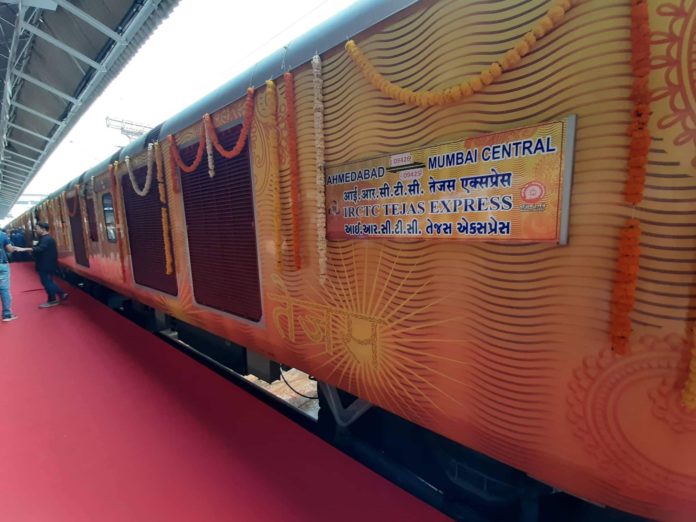
Ahmedabad-Mumbai Tejas Express was flagged off by Gujarat CM. (Source: @vijayrupanibjp)

Ahmedabad (NVI): Gujarat chief minister Vijay Rupani today flagged off the Ahmedabad-Mumbai Tejas Express. This is the second semi high-speed train to be run by Railway subsidiary IRCTC. The regular commercial run of the train will begin from January 19, 2020.

CM Vijay Rupani said, “It is an honour that Tejas Express is starting from Gujarat. This will further strengthen the economic ties between the two states.”

“Work on bullet train is also going on the Mumbai-Ahmedabad route,” Rupani said.

Railway Minister Piyush Goyal, who was to attend the flagging off could not arrive here due to bad weather, BJP MP Kirit Solanki said.

The Tejas Express will run six days a week with Thursday as an off-day for maintenance work.

The train will halt at Nadiad, Vadodara, Bharuch, Surat, Vapi and Borivali stations in both directions.

There will be no tatkal quota or premium tatkal quota in the train. There will be only General Quota and Foreign Tourist Quota. Foreign Tourist Quota of six seats in EC (Executive Chair Car) and 12 seats in CC (AC Chair Car) will be available for Foreign Tourists.

Hit by internet shutdown, Kashmiri handicraft exports see 62% decline

Mubashir Bukhari

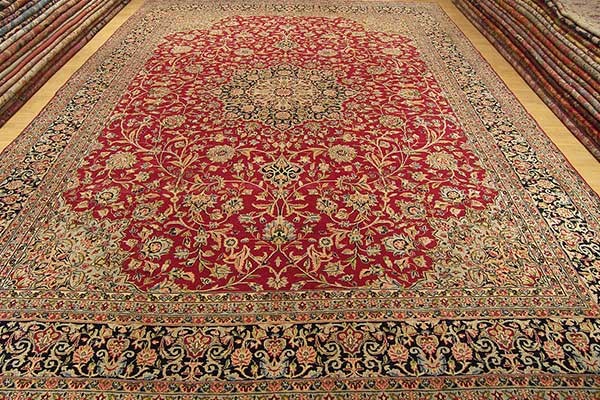
Srinagar (NVI): Due to internet shutdown post abolition of article 370, the exports of Kashmiri handicrafts including famed silken carpets and pashmina shawls have plummeted by 62 per cent in the second quarter of 2019, official data has revealed.

Handicrafts including carpets, shawls, paper mache, wood carving and others worth Rs 298.28 crore were exported in the first quarter of 2019 starting April. The second quarter starting July recorded a drop in the exports up to Rs 187.47 crore.

Data reveals that Kashmiri carpets, which were exported for Rs 122.65 crore in the first quarter, saw a sale of only Rs 76.26 crore in the second quarter. Similarly, the export of pashmina and other shawls dropped from Rs 88.70 crores in the first quarter to Rs 57.23 crore in the second quarter.

Exports of paper mache, chain stitch/crewel and wood carving dropped to Rs 1.26, Rs 51.03 and Rs 21.69 crore respectively in the second quarter from Rs 2.05, Rs 82.17 and Rs 2.72 crore, respectively in the first quarter.

As compared to the previous year, exports of handicrafts in the second quarter witnessed a fall of up to Rs 48.99 crore.

In 2018, handicrafts worth Rs 917.66 crore were exported, of which handicrafts worth Rs 238.82 and Rs 236.46 crore were exported in first and second quarter respectively. Similarly, handicrafts worth Rs 180.45 and Rs 261.93 crores were exported in the third and fourth quarter, respectively.

Officials said that internet gag has rendered lakhs of artisans jobless. Of whom 60,000 alone are associated with carpet sector.

Assistant Director, Handicraft Department Kashmir, Mushtaq Ahmad Shah said that lack of internet has affected the delivery of orders.

“In the second quarter, there were fewer realisations reported. We are trying to figure out how much internet blockade has affected the exports in the third quarter,” he said.

Shah claimed that there was an increase in the production in the cottage industry this year. “Production this year so far has been good. Kashmir’s cottage sector comprises indoors units only,” he said.

Dealers said lack of internet facility resulted in massive cancellation of orders in the second quarter of 2019. “We receive maximum orders in July, August and September. Lack of internet has cost us a fortune. Non-availability of mobile internet and broadband may also hit sales during Christmas and New year,” said Sheikh Ashiq Ahmad, Director of Carpet Export Promotion Council (CEPC) and President, Kashmir Chamber of Commerce and Industries.


Israeli defence company tests portable guided missiles; range up to 2 km

(Image source: Rafael)

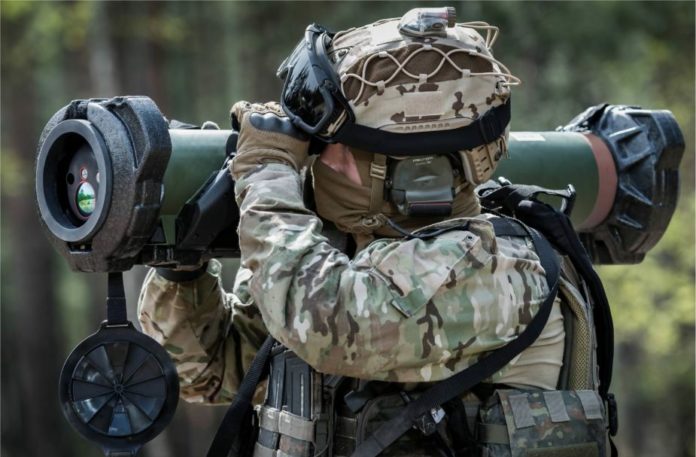
New Delhi (NVI): Israeli defence manufacturer Rafael recently tested its newly-designed SPIKE SR (Short Range), a lightweight, more manoeuvrable precision-guided missile system for infantry forces, that can hit targets located 2 km away, a range formerly covered only by heavier ATGMs.

The weapon system was demonstrated in a recent series of tests in southern Israel’s Negev Desert, where it proved its unique lethal capability, Israel Defense magazine reported.

SPIKE SR is an electro-optical guided missile designed for shoulder launch by infantry. It is the smallest and lightest variant of the SPIKE Missile family, weighing only 10 kg, in use today by several nations, including within NATO.

Spike SR was designed for manoeuvring forces, allowing standoff engagement ranges of 2 kilometres, formerly covered only by heavier ATGMs (Anti Tank Guided Missiles). Designed as a portable, fully disposable munition, the Spike SR carries a powerful High Explosive Anti-Tank (HEAT) warhead, as well as a frontal precursor for clearing of ERA (Explosive Reactive Armor) tiles.

Gal Papier, director of marketing and business development at Rafael’s Precision Tactical Weapon Systems directorate told Israel Defence Magazine, “We are very proud of this small missile, which proved to be as lethal as other large calibre missiles, with great agility for the warfighter due to its lightweight, as well as its ability to act rapidly within six seconds from cold start, engaging fast-moving targets – highly-demanded capabilities in today’s warfare”.

The Spike missile systems are now operational in 34 nations, with more than 33,000 rounds produced and supplied, and as many as 45 different platforms integrated, including attack helicopters, ground vehicles, marine vessels and more.

MUST READ