Monday, April 6, 2026
Home Blog Page 89

Jammu and Kashmir: 3 Govt employees sacked for terror links

Terminated

Srinagar, Feb 15 (NVI) Three employees of the Jammu and Kashmir Government, including a jailed policeman, were dismissed from service today for their alleged links with terrorism, making them join 70 other people who were punished in such a manner.

The Administration of Jammu and Kashmir Union Territory, headed by Lt Governor Manoj Sinha, terminated the employment of police constable Firdous Ahmad Bhat, teacher Mohammad Ashraf Bhat and orderly in the Forest Department Nisar Ahmad Khan, officials said.

The Lt Governor invoked Article 311 (2) (c) of the Constitution to terminate the services of the three employees after investigation by law enforcement and intelligence agencies clearly established their terror links, the officials said.

Over the last 3 years, the Lt Governor has sacked around 70 employees of the Jammu and Kashmir government for having links with terrorism or terrorists.

The dismissed policeman Firdous Ahmad Bhat is already lodged in Kot Bhalwal Jail in Jammu since May last year after being arrested for links with Pakistan-based Lashkar-e-Taiba (LeT) terror outfit.

Initially appointed as a Special Police Officer (SPO) in 2005, he was promoted as a Constable in 2011 and posted at a sensitive position of Electronic Surveillance Unit in the J&K Police.

However, he was clandestinely working for LeT and got exposed when two terrorists — Waseem Shah and Adnan Beigh — were arrested in Anantnag with a pistol and a hand grenade as they were planning to attack non-local civilians and tourists, the officials said.

His interrogation allegedly unveiled his sinister design and led to the recovery of a sizable quantity of arms including pistols, ammunition and explosives from his residential quarter in Police Housing Colony in Srinagar and a newly-constructed house in Mattan, Anantnag.

Investigators also allegedly recovered from his residence 3 kgs of charas which was sent by Pakistan-based LeT terrorist Sajid Jutt alias Saifullah and dropped by a drone in Samba border district of Jammu a few days earlier, according to the officials.

Investigations allegedly also revealed that besides Jutt, he was working for Hizbul Mujahideen Commander Khursheed Dar and LeT terrorist Hamza Bhai and Abu Zarar.

Firdous used his police constable cover allegedly to transport arms, ammunition and explosives for terrorists, the officials said.

He not only provided classified information about the movement of security forces but also guided terror attacks, they said.

The dismissed constable was also found allegedly involved in an attack on a police party in 2020 which led to the killing of sub-inspector Ashraf Bhat and an attack on a group of tourists in Pahalgam on May 18 last year that left two persons injured.

The officials said he was also involved in radicalising and luring the youth to join terror ranks besides using terrorists to blackmail government officials including his colleagues and businessmen.

Ashraf Bhat, a resident of Reasi who was appointed as ‘Rehbar-e-Taleem’ Teacher in 2008 and regularised in June 2013, was allegedly affiliated with LeT, the officials said.

For many years his activities were undetected but eventually came to light in 2022 and he was arrested and currently lodged in district jail, Reasi, the officials said.

During the course of investigation, it was revealed that Bhat’s handler was the most wanted LeT terrorist Mohd Qasim, who is based in Pakistan.

LeT found him to be very useful because as a teacher Bhat was best placed to radicalise youth and carry out terror activities.

He helped LeT to raise finances for terror activities and coordinated transport of arms, ammunition and explosives, they said.

Nisar Ahmad Khan joined the Forest Department in 1996 as a helper and was currently posted as an orderly at the Forest Range Office, Verinag (Anantnag).

He was allegedly found working for Hizbul Mujahideen, the officials said.

They said his links with the outfit first came to light in the year 2000 when a landmine blast in Anantnag killed the then power minister Ghulam Hasan Bhat and two policemen.

Khan and another accused had provided logistical support to the terrorists to carry out the attack.

He also helped in smuggling RDX used in the blast, the officials said, adding he was arrested, chargesheeted but later acquitted in 2006 due to witnesses backtracking, intimidating environment inside and outside the courts.

However, despite his acquittal in 2006, Khan continued his work for the terror group and his role was once again exposed in 2016 when he played a central role during the valley’s unrest following the killing of Hizbul terrorist Burhan Wani, the officials said.

They said he also mobilised mobs and youth for stone pelting and arranged weapons to attack security forces and is named in four FIRs.

After the killing of another terrorist Yawar Nisar Wagay in 2017, he once again played a key role in organising violent protests and was subsequently detained under the Public Safety Act for eight months. (NVI)
Modi ends US visit after significant outcomes in trade, defence & nuclear fields

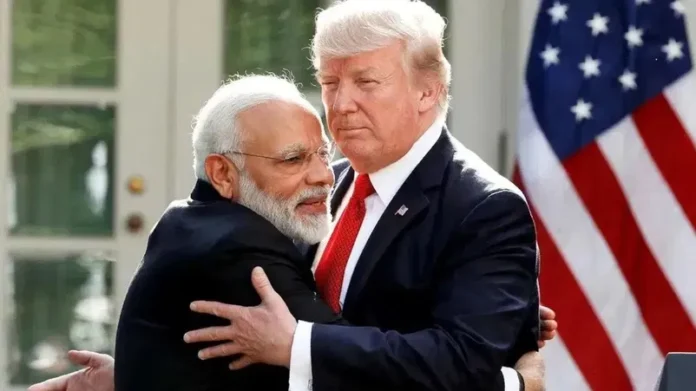
PM Modi meeting US President Donald Trump

New Delhi, Feb 14 (NVI) Prime Minister Narendra Modi tonight concluded his two-day visit to the US where he held detained talks with President Donald Trump on a range of issues including bilateral trade, defence, nuclear cooperation and fight against terrorism.

Here are the key takeaways from the talks:

Trade:

Prime Minister Modi and President Trump announced a framework to strengthen both sides economically and set a bilateral trade target of 500 billion dollars for 2030.

They also announced US-India COMPACT, which will deepen every aspect of bilateral partnership and friendship.

Trump acknowledged India’s recent reductions to tariffs that limit US access to the Indian markets as a symbol of good faith. He flagged the $100 billion US trade deficit and steps to reduce it.

We want a level playing field and we can easily make up that deficit with the sale of oil and gas, Trump said.

The two countries will work together to help build one of the greatest trade routes in history. India to Israel to Italy to the US will be connected by ports, railways and undersea cables.

India and the US will take their bilateral trade to $500 billion by 2030. A trade deal is being worked on that will increase India’s coal and gas trade with US, energy infrastructure, increasing small nuclear power plant infra and improve joint production and joint transfer of technology.

I-MEC and I2U2 economic corridor and connectivity infrastructure.

New Indian consulates in Los Angeles and Boston will be opened.

American universities will open offshore campuses in India.

Defence:

Starting this year, the US will increase military sales to India. Trump paved the way to sell India the advanced F-35 stealth fighters.

Crucial to strengthen the QUAD and maintain peace, prosperity and tranquility in the Indo-Pacific, Trump said.

India and the US will be working together like never before to fight the radical Islamist threat all over the world, the US president said.

Autonomous Industry System Alliance to be prepared which is a blueprint to strengthen defence cooperation, Modi said.

We will work together to ensure peace, and tranquility in the Indo-Pacific region; QUAD will work closely on this, said the Indian prime minister.

Trump approved the extradition of Tahawwur Rana, one of the plotters of the 26/11 Mumbai terror attacks to face trial in India.

Tech:

India and US will work together on advancements in the fields of AI, semiconductors, quantum, biotech and technology.

India is reforming its laws to welcome US nuclear energy. Advanced technologies, AI will be developed jointly by India and the US.

Through TRUST — Transforming Relationships Utilising Strategic Technology — strong supply chains to be built for critical minerals, advanced materials, pharmaceuticals.

India and US will also work together for recovery and processing initiatives of lithium and rare earths.

ISRO and NASA will collaborate to launch NISAR satellite on an Indian spacecraft. (NVI)

Indian Army says border ceasefire with Pakistan ‘intact’ despite ‘minor incidents’

MHA
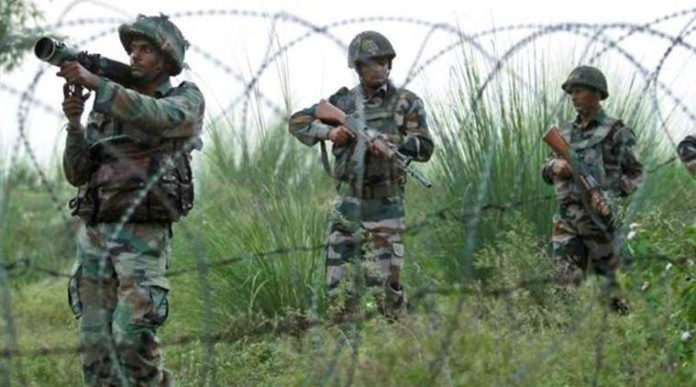
Indian Army on patrolling somewhere in Jammu and Kashmir (File Pic)

Jammu, Feb 13 (NVI): The Indian Army today said the border ceasefire along the Line of Control (LoC) in Jammu and Kashmir, which started from February 2021, remains “intact” despite “stray incidents” of cross-LoC firing and a recent explosion caused by a suspected IED.

“The ceasefire on the LoC is intact and continues to be observed as per the understanding between both the armies (of India and Pakistan),” the Army said in a post on social media platform X.

“The situation remains stable and being closely monitored. Indian Army maintains high state of alertness and is dominating the LoC,” it said.

Yesterday, the Pakistani side had resorted to firing across the LoC in Krishna Ghati sector of Poonch in Jammu. The effective retaliatory firing by the Indian side is believed to have resulted in casualties among the Pakistani soldiers.

The exchange of fire was said to be brief.

Earlier, two days back, an IED, suspectedly planted by terrorists or Pakistani army men from across, exploded near the fencing close to the LoC in Akhnoor sector of Jammu, killing two Indian soldiers, including a Captain, who were patrolling the area.

“Tension due to some stray incidents of cross-LoC firing and a suspected IED blast on one of our ptls (patrols) on the LoC is being dealt with through the established mechanism. No exchange of fire of heavy-calibre weapons has taken place. Minor incidents are not unprecedented along the LoC,” the Indian Army said.

“Concerns have been raised to the Pakistan Army at the appropriate level,” it added.

The ceasefire along the LoC and International Border came into effect from February 24, 2021, after a mutual understanding between the armies of India and Pakistan.

Meanwhile, Jammu and Kashmir Lt Governor Manoj Singh held again a security review meeting today in Srinagar, a day after holding a similar meeting in Jammu.

Senior officers of J&K Police, intelligence agencies, CAPFs and the Army attended the meeting where Sinha is reported to have given clear directions to the security forces to ensure zero infiltration and zero tolerance for terrorism. (NVI)

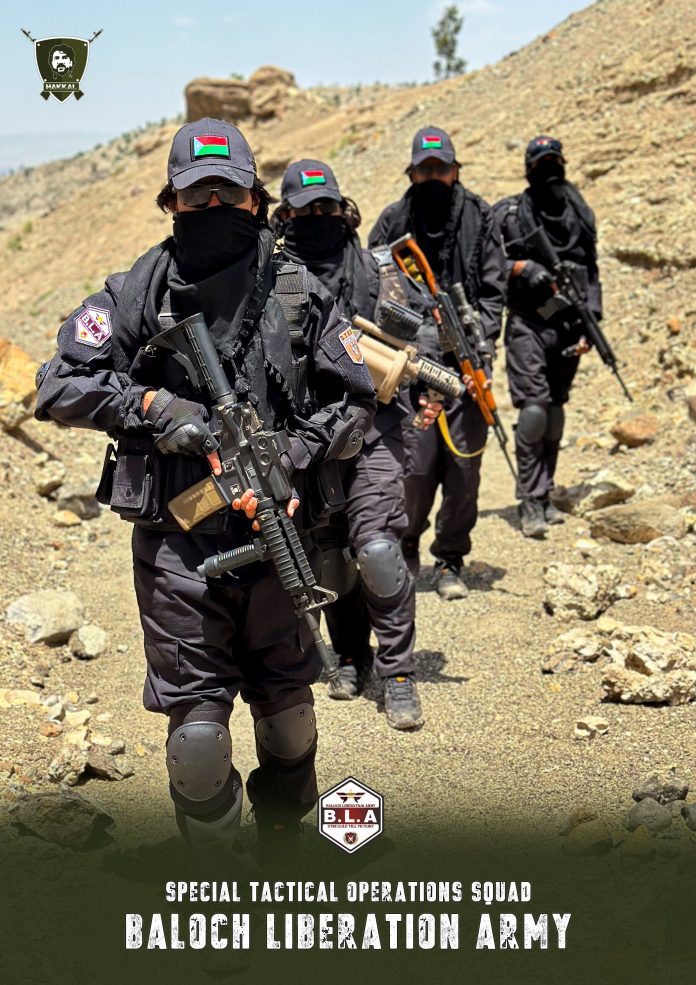
Balochistan: BLA says it killed 7 Pakistani soldiers, injured 4

Special Tactical Operations Squad (STOQ) of Baloch Liberation Army (BLA).

Quetta (Pakistan-occupied Balochistan), Feb 13 (NVI) Baloch Liberation Army (BLA) has claimed to have killed 7 personnel of Pakistan Army and injured 4 in multiple attacks in various areas of Balochistan over last two days.

The freedom-seeking outfit said its fighters targeted the occupying Pakistan army and their supply vehicles in three separate attacks in Panjgur, Mastung and Kech.

The freedom fighters ambushed and attacked a foot patrol party of the Pakistan army, comprising 13 men, in Tump area of Kech on the night of February 11-12, BLA spokesman Jeeyand Baloch said in a statement.

The freedom fighters opened fire on the enemy with automatic weapons and grenade launchers, killing 7 personnel of the Pakistan army on the spot and injuring at least 4 others.

In another attack, BLA freedom fighters targeted Pakistani army personnel at Alizai Bypass in Mastung when when they were heading towards their camp yesterday afternoon.

In yet another attack, BLA freedom fighters targeted vehicles carrying supplies to the occupying Pakistan army in the Prom Daz area of Panjgur on February 10.

As a result of the attack, both vehicles were destroyed and the drivers were released after being warned. (NVI)

J&K: Security forces directed to crush terrorism in intensified manner

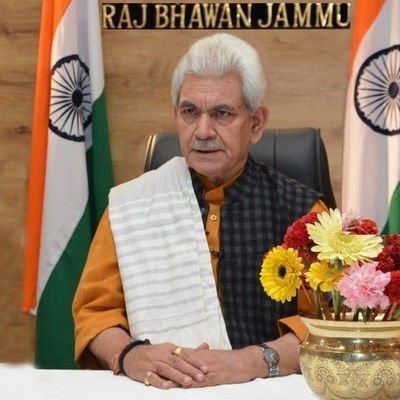
J&K Lieutenant Governor Manoj Sinha

Srinagar, Feb 12 (NVI) Against the backdrop of intermittent terror attacks, security forces in Jammu and Kashmir got a fresh directive today to crush the menace in an intensified manner.

The directive was issued as Lieutenant Governor Manoj Sinha held a high-level meeting to review the security situation in the Union Territory, just a day after Union Home Minister Amit Shah chaired such a meeting in New Delhi.

Terrorism has been substantially contained in Jammu and Kashmir for several months now but terrorists strike intermittently to cause bloodshed.

Only yesterday, two Army men, including a Captain, were killed when an IED planted by terrorists exploded near the border fence close to the Line of Control (LoC) in Akhnoor sector of Jammu.

Prior to this, some terrorists recently killed a retired Army man and injured his two close relatives in a targeted attack in Kulgam district of Kashmir.

During the meeting chaired by Sinha, Jammu and Kashmir Police chief Nalin Prabhat gave a briefing about the prevailing security scenario and the measures put in place to counter the various security challenges like counter insurgency, terrorist recruitment and protection of minorities.

IGP Kashmir also gave a detailed presentation highlighting the challenges and the achievements of the Kashmir Zone and strategic foresight for the future, an official spokesman said.

The Lieutenant Governor directed the senior police officials and head of its various wings to work in close synergy with each other and intensify the efforts to crush terrorism and those aiding and abetting terrorists, the spokesman said.

He said a 360-degree approach against terrorism is critical to enhance the capability and performance in all dimensions of security challenges and asked the police officials to strictly follow the policy of property attachment in terror and narco-terror cases.

The Lieutenant Governor directed the officials to devise a result-oriented strategy to identify and neutralize foreign terrorists active in the Kashmir valley.

He called for systematic attention to terror ecosystem, which is providing support to adversarial forces and terrorists.

“You must follow zero tolerance policy to tackle terrorism. I have given J&K Police and Security Forces free hand to neutralise terror ecosystem operating in the shadows. Those supporting and financing terrorism will have to pay a very heavy price,” the Lieutenant Governor said.

“I have full faith in your valour, effective, focused measures and better institutional arrangements to make Jammu Kashmir terror-free. Improved intelligence generation, coordination and precision in anti-terror operations are vital to meet the future security challenges,” Sinha said.

The meeting also discussed the challenges of disinformation and propaganda and directed the officials to take firm action against those involved.

“Strict action must be taken against the elements exploiting cyber space to carry out their disruptive activities and disinformation campaign. We must aggressively counter fundamentalist and extremist ideas and take action as per the law,” the Lieutenant Governor said. (NVI)

Rajnath says ‘unparalleled opportunities’ in India, invites global community to take advantage

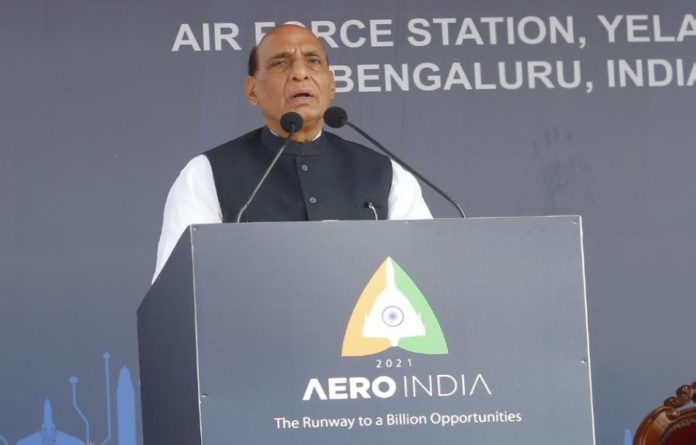
Defence Minister Rajnath Singh

Bengaluru, Feb 11 (NVI) Highlighting the “unparalleled opportunities” for collaboration offered by the thriving Indian aerospace and defence sectors, Defence Minister Rajnath Singh today invited the global community to join India in the co-development and co-production of advanced systems.

He underlined the need for strong partnerships and innovative approaches while observing that the world order has become “more fragile” due to “increasing number of conflicts, new power plays, new methods & means of weaponisation, growing role of non-state actors and the emergence of disruptive technologies”.

He was addressing the Defence Ministers’ Conclave — ‘Building Resilience through International Defence and Global Engagement (BRIDGE)’ — organised as part of the 15th ‘Aero India’ here.

The event witnessed the participation of over 162 delegates from 81 countries, including 15 Defence Ministers, 11 Deputy Defence Ministers, 15 Permanent Secretaries, and 17 Service Chiefs.

“The distinction between border security and internal security is getting blurred as hybrid warfare has the ability to target critical national infrastructure even during peace time,” Singh said.

“Cyberspace and Outer space are challenging the established definition of sovereignty,” he added.

The Defence Minister said disruptive technologies such as Al, quantum technologies, hypersonic and directed energy are transforming the character of warfare, creating new vulnerabilities.

He stressed that these changes would have a deep impact on future warfare, forcing reassessment of the capabilities required to meet the challenges.

Singh said that international order and peace cannot be ensured from a position of weakness, and the Government of India, under Prime Minister Narendra Modi, “is leaving no stone unturned to transform defence capabilities.”

“We have put in place a conducive policy regime which encourages investment and production of an entire range of modern state-of-the-art land, maritime & air systems. India’s emergence as a global hub for R&D and innovation in defence is a testament to our capabilities and aspirations,” he said.

Singh said India possesses a vibrant defence start-up ecosystem which has the third largest number of unicorns in the world.

He highlighted the unparalleled opportunities for collaboration offered by the thriving Indian aerospace and defence sectors, supported by a significant R&D base and an entrepreneurial spirit.

“Our skill base enables us to produce at highly competitive costs. India is committed to share state-of-the-art defence equipment, hardware, services, and technology with our friends and partners,” he told the Defence Ministers and other foreign delegates.

He voiced India’s vision of peace, security and development, which is inclusive & collaborative, stating that it is guided by Prime Minister Narendra Modi’s dynamic five ‘S’ approach: Samman (Respect), Samvaad (Dialogue), Sahyog (Cooperation), Shanti (Peace) and Samriddhi (Prosperity). These principles, he added, form the cornerstone of India’s international engagements and resonate strongly in today’s world, which is increasingly witnessing divisions.

Singh asserted that India has embraced the vision of  ‘Security and Growth for All in the Region (SAGAR)’ for the Indian Ocean Region (IOR), focussing on key areas such as maritime security, economic development and blue economy.

He added that India’s collaborative efforts in combating non-traditional threats such as piracy, terrorism, illegal & unregulated fishing, and climate-related challenges underline the commitment for global cooperative action beyond IOR.

“Our commitment extends beyond IOR and serves as a blueprint for fostering global partnerships built on equality, trust, mutual respect, and adherence to international law,” he said.

The Defence Minister laid stress on the fact that India does not believe in transactional relationships or imposing solutions, and its approach emphasises on mutual capacity building, prosperity and security for the sovereignty of partner nations.

He stated that the aim is to empower its partners to chart their own paths, through support that aligns with their national priorities.

He described equitable partnership as the foundation of defence collaboration, whether it involves supplying Indian-made ships and aircraft, sharing expertise or conducting joint training programmes.

Singh highlighted that India’s position as a preferred partner for defence exports is reinforced by its adherence to quality, reliability, and commitment to the specific needs of partners.

“Our defence industry is well-equipped to meet diverse requirements from cutting-edge technology to cost-effective solutions. We take pride in offering customised support that strengthens the capabilities of our partner nations, enabling them to address their security challenges effectively,” he said.

He termed the BRIDGE initiative as the commitment to transforming dialogue into actionable outcomes, fostering partnerships that are resilient, adaptable, and forward-looking.

Challenges ranging from terrorism and cyber-crime to humanitarian crises and climate-induced disasters transcend borders, and they demand a united response.

During the meeting, the Defence Ministers lauded the efforts of Department of Defence Production, Ministry of Defence for organising Aero India and providing an opportunity to world-class manufacturers for showcasing latest innovations and technologies under one roof.

They appreciated the concept of BRIDGE which promises to work for peace and prosperity for all.

They expressed their willingness to work with India for their defence and other requirements, reaffirming their commitment to further deepen the ties with New Delhi.

The delegates conveyed their desire for Transfer of Technology and co-development & co-production of latest equipment and products, terming India as a partner in resilient supply chain.

They acknowledged India’s role in peacekeeping and its efforts towards upgrading the capabilities of many countries in various fields, including defence, health and education.

Shared security concerns also figured during the deliberations, with the Ministers unanimously agreeing to avoid armed conflict, describing it as anti-people and anti-development.

Various challenges such as illegal drug trafficking, illicit fishing, terrorism and cybercrime were discussed, with the nations pledging to fight together against these menaces.

They collectively agreed to move forward together with the idea of ‘One Earth, One Family, One Future’, which was the theme of India’s G20 Presidency. (NVI)

Two Indian soldiers killed in blast near Akhnoor border in Jammu and Kashmir

Chhattisgarh
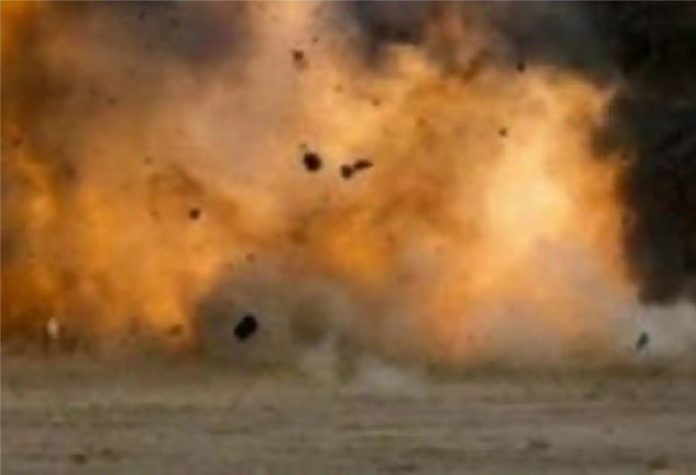
Representatinal Image of a blast

Jammu, Feb 11 (NVI) In a tragic incident, two Indian Army soldiers were killed today an Improvised Explosive Device (IED) blast near the border in Akhnoor district of Jammu and Kashmir.

The explosion took place in Laleali area of Aknoor sector of the border in Jammu district during patrolling by the troops, the Army said.

“Suspected Improvised Explosive Device blast reported in Laleali in Akhnoor sector during a fence patrol resulting in two fatalities,” the Army posted on X.

“Own troops are dominating the area and search operations are underway,” it added.

The Army paid tributes to the supreme sacrifice of the two gallant soldiers.

The IED is suspected to have been planted by terrorists or Pakistani troops. (NVI)


50 Million people afflicted with Epilepsy globally, 80% in low & middle-income nations: WHO

Representational image

New Delhi, Feb 11 (NVI) Around 50 million people worldwide are afflicted with Epilepsy, a chronic noncommunicable disease of the brain characterized by recurrent seizures, and close to 80 per cent of them live in low and middle-income countries, according to the World Health Organisation (WHO).

A great proportion of the causes of death related to epilepsy, especially in low- and middle-income countries, are potentially preventable, such as falls, drowning, burns and prolonged seizures, it says.

The seizures are brief episodes of involuntary movement that may involve a part of the body (partial) or the entire body (generalized) and are sometimes accompanied by loss of consciousness and control of bowel or bladder function.

Seizure episodes are a result of excessive electrical discharges in a group of brain cells and different parts of the brain can be the site of such discharges.

Seizures can vary from the briefest lapses of attention or muscle jerks to severe and prolonged convulsions. Seizures can also vary in frequency, from less than one per year to several per day.

One seizure does not signify epilepsy, the WHO says, while noting that up to 10 of people worldwide have one seizure during their lifetime.

“Epilepsy is defined as having two or more unprovoked seizures,” it says.

Epilepsy is one of the world’s oldest recognized conditions, with written records dating back to 4000 BCE. Fear, misunderstanding, discrimination and social stigma have surrounded epilepsy for centuries. This stigma continues in many countries today and can impact on the quality of life for people with the disease and their families.

Characteristics of seizures vary and depend on where in the brain the disturbance first starts, and how far it spreads, the WHO says.

Temporary symptoms occur, such as loss of awareness or consciousness, and disturbances of movement, sensation (including vision, hearing and taste), mood, or other cognitive functions.

“People with epilepsy tend to have more physical problems (such as fractures and bruising from injuries related to seizures), as well as higher rates of psychological conditions, including anxiety and depression.

“Similarly, the risk of premature death in people with epilepsy is up to three times higher than in the general population, with the highest rates of premature mortality found in low- and middle-income countries and in rural areas,” according to the global health body.

As Epilepsy affects around 50 million people worldwide, the estimated proportion of the general population with active epilepsy (i.e. continuing seizures or with the need for treatment) at a given time is between 4 and 10 per 1000 people, the WHO says.

In high-income countries, there are estimated to be 49 per 100 000 people diagnosed with epilepsy each year.

In low- and middle-income countries, this figure can be as high as 139 per 100 000.

This is likely due to the increased risk of endemic conditions such as malaria or neurocysticercosis; the higher incidence of road traffic injuries; birth-related injuries; and variations in medical infrastructure, the availability of preventive health programmes and accessible care.

Epilepsy is not contagious. Although many underlying disease mechanisms can lead to epilepsy, the cause of the disease is still unknown in about 50% of cases globally, the WHO says.

The causes of epilepsy are divided into the following categories: Structural, Genetic, Infectious, Metabolic, Immune and Unknown.

For example, brain damage from prenatal or perinatal causes (like loss of oxygen or trauma during birth, low birth weight); congenital abnormalities or genetic conditions with associated brain malformations; a severe head injury; a stroke that restricts the amount of oxygen to the brain; an infection of the brain such as meningitis, encephalitis or neurocysticercosis, certain genetic syndromes; and a brain tumour.

Seizures can be controlled. Up to 70% of people living with epilepsy could become seizure free with appropriate use of antiseizure medicines. Discontinuing antiseizure medicine can be considered after 2 years without seizures and should take into account relevant clinical, social and personal factors. A documented etiology of the seizure and an abnormal electroencephalography (EEG) pattern are the two most consistent predictors of seizure recurrence.

In low-income countries, about three quarters of people with epilepsy may not receive the treatment they need. This is called the “treatment gap”.

In many low- and middle-income countries, there is low availability of antiseizure medicines. A recent study found the average availability of generic antiseizure medicines in the public sector of low- and middle-income countries to be less than 50%. This may act as a barrier to accessing treatment.

It is possible to diagnose and treat most people with epilepsy at the primary health-care level without the use of sophisticated equipment.

WHO pilot projects have indicated that training primary health-care providers to diagnose and treat epilepsy can effectively reduce the epilepsy treatment gap.

Surgery might be beneficial to patients who respond poorly to drug treatments. (NVI)

India, UK sign pacts for next-generation weapons

UK-India
Representational Image

Benguluru, Feb 10 (NVI) Taking one more step towards strengthening their strategic partnership, the UK and India today formally launched Defence Partnership–India (DP-I) and signed several defence agreements at the ‘Aero India 2025’ here.

Announcing DP-I, British Defence Minister Lord Vernon Coaker opened the UK-India Defence Partnership Pavilion, establishing a dedicated programme office within the UK’s Ministry of Defence that will serve as a one-stop shop for strengthening bilateral defence collaboration between the two countries, said a press statement.

“The UK and India have today agreed to expand their collaboration on next-generation weapons with Thales and Bharat Dynamics Limited (BDL),” it said.

British company Thales and Indian Public Sector Undertaking Bharat Dynamics Ltd (BDL) signed a contract that will deliver Laser Beam Riding MANPADs (LBRM), with an initial supply of High Velocity Missiles (STARStreak) and launchers to be delivered this year.

This contract represents an important next step for UK-Indian defence co-operation in the critical area of air defence, the statement said.

It was a pleasure to visit India and continue to grow our already strong defence relationship. Our Defence Partnership and the UK-India Defence Partnership Pavilion will help strengthen our cooperation further, supporting economic growth in both our countries and India’s Atmanirbhar ambition,” said Lord  Coaker.

“This event showcases our collaboration in next generation capability, and the massive potential the UK and India can unlock by working together,” he added.

Following the signing of this initial LBRM contract, both Thales and BDL will further collaborate to produce Lightweight Multirole Missiles (LMM).

This develops and expands the partnership between Indian and British industry, laying the foundation for BDL and Indian industry to form an integral part of Thales’ global supply chain.

It will address mutual security concerns, create jobs in both countries and enable interoperability by both armies.

Lindy Cameron, British High Commissioner to India, said: “India is taking significant steps in its journey to become Atmanirbhar in its defence capabilities. The UK is really looking forward to working with India as a partner of choice in supporting this ambition: collaborating on defence technologies lies at the heart of this. These are landmark agreements that support our economic growth and joint security.”

In a separate development, MBDA UK and BDL have been working together on the installation of a first of its kind Advanced Short-Range Air to Air Missile (ASRAAM) assembly and test facility in Hyderabad, arming current fleet of India’s fighter jets as well as exporting to the world.

On the maritime front, the UK and India have signed a Statement of Intent to design and develop an Integrated Full Electric Propulsion (IFEP) system for India’s next generation Landing Platform Dock (LPD) fleet.

As next steps, GE Vernova and BHEL are working to develop India’s first maritime Land Based Testing Facility to deliver LPD in the water by 2030.

The strengthening of UK-India partnership will directly support India’s ‘Atmanirbhar Bharat’ ambition and deliver the UK Government’s growth agenda and Plan for Change. (NVI)

Aero India 2025: US pavilion to showcase latest defence systems

US Pavilion being inaugurated at 'Aero India 2025' in Benguluru today

Bengaluru, Feb 10 (NVI) As ‘Aero India 2025’ began here today, the US inaugurated ‘Partnership Pavilion’ at the venue, underscoring its commitment to deepening defense and security cooperation with India.

The United States is one of the largest international exhibitors at Aero India 2025, featuring leading American aerospace and defense firms showcasing next-generation aircraft, advanced avionics, unmanned systems, space technologies, and innovative defense capabilities, according to a statement issued by the US Embassy in Delhi.

Throughout the event, U.S. government and industry participants will highlight and promote technology sharing, joint ventures, and industrial partnerships that support the U.S-India Major Defense Partnership, it said.

The ‘Partnership Pavilion’ was inaugurated by Jorgan K. Andrews, Chargé d’Affaires (of Acting Ambassador) at the US Embassy in New Delhi.

At the inauguration ceremony, he said, “President Trump and Prime Minister Modi have talked about the need to deepen defense trade between our nations. I am happy to report that, from small start-ups to the robust defense public sector undertakings to the expanding private defense sector, bilateral defense trade is deepening.”

He added, “The U.S. defense industry has demonstrated its commitment to partnering with India to provide high-quality, technologically advanced defense equipment and systems that are considered the most operationally reliable in the world.”

Andrews led a high-level U.S. delegation, including Consul General Chris Hodges, U.S. Consulate General Chennai; Brigadier General Patrick Teague, Senior Defense Official and Defense Attaché, U.S. Embassy New Delhi;  and Major General Ricky Mills, Assistant Deputy Under Secretary of the Air Force, International Affairs.  (NVI)

MUST READ