
Monday, April 6, 2026
Home Blog Page 91

Kashmir: Truck driver killed in army firing after failing to stop at check post

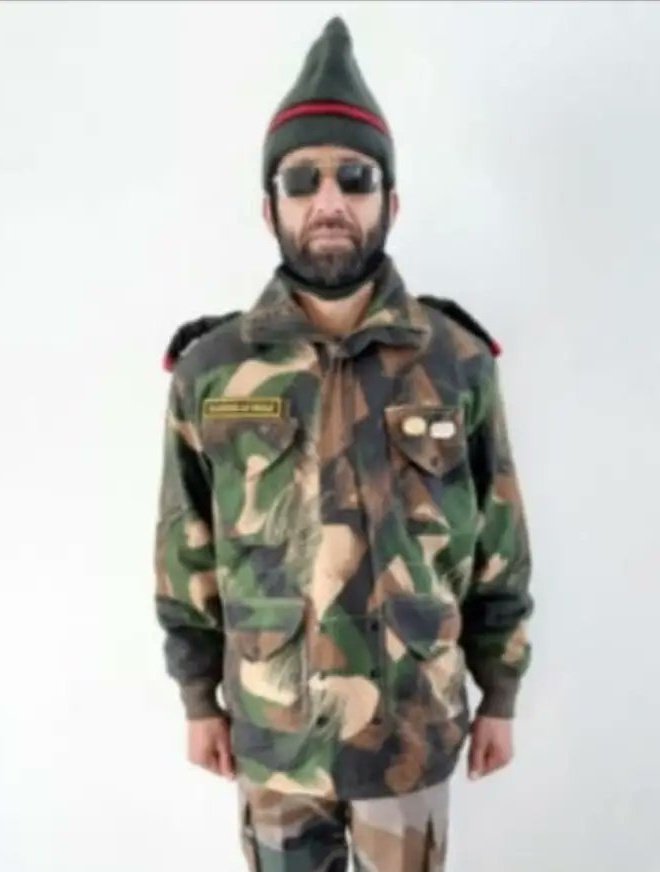
File picture of the driver killed in firing by security personnel in Kashmir

NVI Correspondent

Baramulla (Kashmir), Feb 6 (NVI): A truck driver from Bomai Sopore was fatally shot by security forces in Baramulla in north Kashmir last night after he allegedly did not stop his vehicle at a security check post and ignored multiple warnings to do so.

The incident occurred amid heightened security measures following intelligence reports about possible militant movement in the region.

According to an official statement from the Indian Army’s Chinar Corps, security forces had set up a Mobile Vehicle Check Post (MVCP) near the Nexa showroom in Baramulla based on “specific intelligence input.” The statement said that a speeding truck approached the checkpoint but failed to stop despite repeated warnings, triggering a high-speed chase spanning 23 kilometers.

Troops reportedly fired shots at the truck’s tyres to disable the vehicle, eventually forcing it to a halt at Sangrama Chowk.

The driver, identified as Waseem Ahmed Mir, was found injured and was immediately evacuated to Government Medical College (GMC) Baramulla, where he was declared dead.

Security forces have impounded the fully loaded truck and sent it for a detailed search at the nearest police station. Investigations are underway to establish the driver’s antecedents and examine the circumstances leading up to the shooting.

The Army’s statement emphasized that the security measures were based on credible intelligence and that the driver’s failure to comply with repeated stop signals raised suspicion. However, the incident has sparked discussions about the challenges of balancing counter-terror operations with civilian safety in conflict-sensitive regions. (NVI)
HM Amit Shah vows ‘Zero infiltration goal’ in J&K, Reviews security situation; LG,DGP attend meet

Amit Shah calls urgent meeting to review spike in covid cases in Delhi
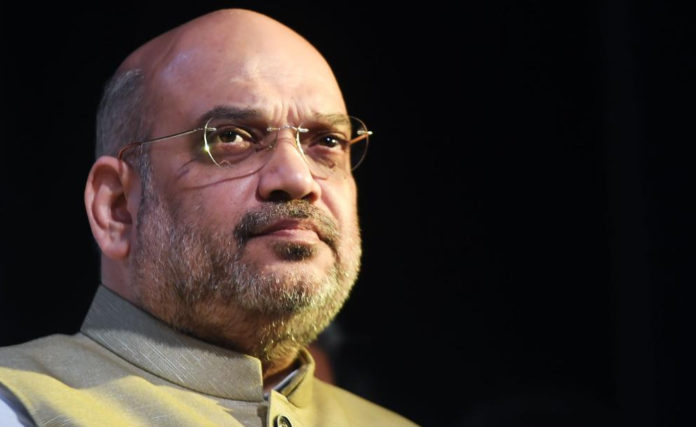
Union Home Minister Amit Shah (file photo)

NVI Correspondent

Jammu, Feb 5(NVI): Home Minister Amit Shah has today emphasised the goal of achieving ‘zero infiltration’ in Jammu and Kashmir as part of a renewed effort against terrorism in the region.

Chairing two consecutive high-level review meetings, Shah underscored that the terrorist ecosystem in the Union Territory has been severely weakened due to the sustained and coordinated efforts of the Narendra Modi government.

Shah directed all security agencies to intensify their operations against terrorism, emphasising that the eradication of terrorists remains a top priority. “Our goal should be to uproot the existence of terrorists,” he stated. Shah further reiterated the government’s commitment to wiping out terrorism under the leadership of Prime Minister Modi. He also stressed the importance of curbing terror funding, particularly the use of narcotics trade proceeds to finance terror activities, urging swift and rigorous action in this regard.

These high-level discussions included a comprehensive review of the security situation in Jammu and Kashmir, with participation from top officials including Jammu and Kashmir Lieutenant Governor Manoj Sinha, Union Home Secretary Govind Mohan, Director of Intelligence Bureau Tapan Deka, DGP Nalin Prabhat, Army Chief General Upendra Dwivedi, and other senior army, police, and civil officials. The meetings were convened in the wake of a terror attack in Kulgam district on February 3, which led to the death of ex-serviceman Manzoor Ahmad Wagay, and left his wife and niece injured.

This marks the first time that the Home Minister has held such detailed, back-to-back security reviews in Jammu and Kashmir, showcasing the government’s commitment to ensuring the safety and stability of the region. The counter-terrorism efforts will continue to focus on strengthening border security, improving intelligence coordination, and cracking down on terrorist financing activities.(News Vibes of India)

J&K faces 80% precipitation deficit this winter,Concerns rise over water shortage, early spring:MeT

NVI Correspondent

Srinagar, Feb 5(NVI: Jammu and Kashmir has experienced an alarming 80% precipitation deficit this season, raising concerns about water shortages and the overall impact on agriculture and the environment. This figure is a record low.

According to Dr. Mukhtar Ahmed, the Director of the Meteorological Department (MeT) in Srinagar, the significant deficit has led to glaciers not being recharged and rivers and streams in the region lacking adequate water levels.

Dr. Ahmed highlighted the potential long-term consequences, expressing that it is still uncertain whether the region will face a drought during the summer months due to the inadequate rainfall. While the situation remains worrisome, the director emphasized that the early signs of spring, including flowers blooming earlier than usual, suggest an unseasonal weather pattern, further complicating predictions for the coming months.

This unusual weather shift, coupled with the severe lack of precipitation, signals potential challenges ahead for both the region’s natural resources and agricultural sectors, which depend on consistent water supply throughout the year.(News Vibes of India)

MP Ruhullah Mehdi seeks EAM’s intervention for release of Srinagar youth detained in Saudi Arabia

File Photo : MP Aga Ruhullah

NVI Correspondent

Srinagar, Feb 5 (NVI) Member of Parliament from Srinagar, Ruhullah Mehdi, has appealed to External Affairs Minister (EAM) Dr. S. Jaishankar to intervene for the immediate release of Abdul Rafi, a young resident of Soura, Srinagar, who is currently detained in Saudi Arabia under unclear circumstances.

In his letter to the EAM, Mehdi has urged for prompt diplomatic efforts to secure Rafi’s release and ensure his safe return to his family in Kashmir.

“I sincerely hope the External Affairs Minister will take swift action and provide all necessary consular support to the detained citizen,” Mehdi’s office posted on its official X handle.

Abdul Rafi’s family has expressed deep concern over his detention, stating that he has been languishing in a Saudi jail for unknown reasons. They have repeatedly sought clarity on the charges and requested government assistance to secure his release.

The incident has drawn attention to the challenges faced by Kashmiri expatriates in foreign countries, with calls growing for stronger consular support and timely intervention in such cases. (News Vibes of India)

LG Manoj Sinha appoints SHOs, SDPOs as Special Police Officers to strengthen fight against Human Trafficking in J&K

File Photo : LG Manoj Sinha

NVI Correspondent

Jammu, Feb 5(NVI): In a significant move to intensify the crackdown on human trafficking, Lieutenant Governor Manoj Sinha has appointed all Station House Officers (SHOs), Sub-Divisional Police Officers (SDPOs), and Deputy Superintendents of Police (DySPs) (Headquarters) as Special Police Officers (SPOs) under the Immoral Traffic (Prevention) Act, 1956 across Jammu and Kashmir.

The notification, issued by the Jammu and Kashmir Home Department, empowers these officers to take swift and decisive action against human trafficking and related crimes within their respective jurisdictions. This move supersedes all previous notifications on the matter, marking a major shift in the region’s approach to combating immoral trafficking.

Announcing the decision, LG Manoj Sinha emphasised the government’s unwavering commitment to protecting vulnerable sections of society.

“The safety and dignity of every citizen, especially the most vulnerable, are paramount. By empowering police officers with direct authority under the Immoral Traffic (Prevention) Act, we are ensuring that justice is swift, effective, and uncompromised,” Sinha said.

The appointment is made under Section 13(1) of the Immoral Traffic (Prevention) Act, 1956, which allows for the designation of special officers to enforce the Act’s provisions. This decision is part of the broader strategy to strengthen law enforcement’s capacity to combat human trafficking, particularly in regions where such crimes often go unreported due to fear, stigma, or lack of timely intervention.

With this notification, SHOs, SDPOs, and DySPs now have:

Enhanced authority to conduct raids on suspected trafficking hubs without procedural delays.

Legal power to rescue victims and ensure their immediate safety.

Autonomy to investigate and prosecute trafficking cases swiftly.

Greater coordination with specialized anti-trafficking units for dismantling organized networks.

A senior police official, speaking on the condition of anonymity, remarked, “This move eliminates bureaucratic hurdles. Officers on the ground can now act decisively without waiting for additional approvals, which is crucial when dealing with crimes like human trafficking.”

Human trafficking remains a hidden crime in many parts of Jammu and Kashmir, often targeting women, children, and economically vulnerable individuals. By decentralizing power, the government aims to ensure that law enforcement can respond rapidly to reports, conduct undercover operations, and rescue victims before they suffer irreparable harm.

Razia, a 17-year-old girl from South Kashmir, was recently rescued in an operation led by a local SHO following this directive. Her family, overwhelmed with emotion, credited the swift action for her safe return.

“Without the SHO’s immediate intervention, we might never have seen our daughter again. This change saved her life,” her mother said tearfully.

Legal experts and activists have welcomed the move. Advocate Shabnam Qureshi, a human rights lawyer based in Srinagar, said, “This is a landmark decision. It shows that the administration is serious about tackling trafficking not just as a crime, but as a human rights violation. Giving local officers direct power to act can be a game-changer.”

The J&K Police are also expected to undergo specialized training sessions to handle trafficking cases sensitively, focusing on victim rehabilitation, legal procedures, and coordination with NGOs and social welfare departments.

The appointment of SHOs and SDPOs as Special Police Officers is more than an administrative change—it is a clear message from the J&K government that crimes against humanity will not be tolerated.

As the Union Territory moves forward under LG Manoj Sinha’s leadership, this initiative reflects a governance model rooted in decisive action, accountability, and a commitment to safeguarding human dignity.(News Vibes of India)

Cancer cases rising in India but treatment available: Doctors

Cancer-ribbon

Bengaluru, Feb 4 (NVI) The incidence of cancer has been steadily increasing in India over the last few decades and the number of such patients is projected to rise to 1.57 million in 2025, double of what it was in 1990, according to the opinion of some senior oncologists.

India has now emerged as the “cancer capital” of the world, felt the oncologists from Bengaluru-based Sammprada Multi-speciality Hospital on the World Cancer Day.

“Over the years, cancer incidence has been steadily increasing because of factors like population growth, increasing number of aging people, improved diagnostic facilities, and lifestyle changes involving smoking, alcohol, bad diet, obesity, and lack of exercise,” said Dr. Radheshyam Naik, Consultant Medical Oncologist, Hematologist and Bone Marrow Transplant Physician at Sammprada Hospital.

He said cancers associated with tobacco use, including lung, oral, and throat cancers, account for nearly 40% of all cancer cases in India.

The incidence of cancer is higher in females (105 per 100,000 population) in India, compared to males (95 per 100,000 population), Dr Naik said.

Dr. Vinod, Preventive Oncologist at the same hospital, said, “Cancer treatment in India poses several challenges. This includes late presentation of patients, inadequate medical facilities in rural areas, lack of awareness about cancer screening, difficulty in accessing cancer care, high cost of treatment, inadequate insurance coverage, and inconsistent treatment protocols.”

Underlining that “several things can be done to reduce incidence of cancer”, he said, “Most of these relate to lifestyle changes.”

Reducing consumption of tobacco and alcohol and controlling obesity can lead to drastic fall in cancer cases, the doctor said.

Vaccination against HPV and Hepatitis B can also play a huge role, he said.

“People need to increase physical activity and improve their nutrition through consumption of more fruits, vegetables and fibre and reduced intake of processed food, meat, and sugary beverages,” the Oncologist said.

According to Dr Radheysham Naik, many cancer patients have reported significant improvements in terms of survival rate in India such as breast cancer, lung cancer, colon cancer, cancer of cervix, lymphomas, and leukemia’s.

While breast cancers and lung cancers remain prevalent, other cancers like lymphoma, prostate cancer, pancreatic cancer, and colorectal cancers are seeing a rise in the last few years, he said.

Talking about the most significant advances in cancer treatment, Dr Naik said: “In surgical field, there are advances like robotic surgery, organ conservation surgeries, pre-op chemo radio therapy enabling minimal surgery, and better prosthesis for breast and limbs.

“In medical oncology, we have more targeted chemotherapy, immunotherapy, biological therapy, and anti-angiogenic treatment, as well as better hormone therapies, bone-protecting drugs, bone marrow growth factors and anti-microbials.

“Radiation oncology too has seen advances like more targeted radiotherapies with machines like cyber knife and better techniques of brachy therapy and use of combination chemo-radio therapies.” (NVI)

Alkem launches Kojiglo serum in India for facial hyperpigmentation

Mumbai, Feb 4 (NVI) Alkem Laboratories Ltd today announced the launch of Kojiglo serum in India for managing facial hyperpigmentation.

Alkem said it is the first Indian company to introduce a liposomal serum with Duo-Lipo technology. The serum is suitable for all skin types.

Kojiglo serum will be available on prescription and hence it will be necessary to consult a dermatologist before using the product.

This innovative formulation combines cutting-edge ingredients such as liposomal azelaic

acid, liposomal 4-butyl resorcinol, tranexamic acid, alpha arbutin, and niacinamide, making it

a first of its kind in India to have a Duo-Lipo technology, it said in a statement.


This advanced serum encapsulates the active ingredients in a liposomal form to enhance penetration in the skin and deliver targeted action and the formulation ensures effective results while reducing the risk of skin sensitivity and irritation, the company said.

The active pharmaceutical ingredients are carefully sourced to meet global quality standards, offering a high-quality, reliable solution for facial hyperpigmentation.

Dr. Vikas Gupta, Chief Executive Officer of Alkem, said, “The prevalence of skin

hyperpigmentation among Indian population is quite high and awareness about managing

this condition is gradually increasing. We are pleased to introduce an advanced serum

designed to effectively address hyperpigmentation concerns.”


Alkem has its presence in the demelanising category with products like Kojiglo cream,

Kojiglo face wash and Kojiglo lotion.


With the introduction of Kojiglo serum, Alkem aims to broaden its portfolio and increase its

market share in the skincare segment.

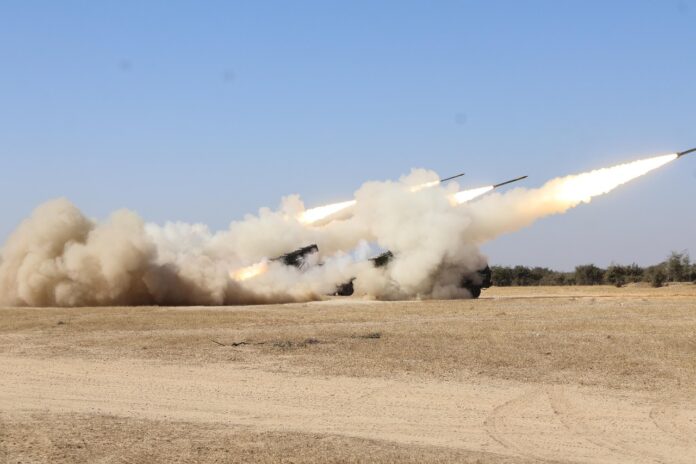
Indian Army tests war readiness by conducting live-fire exercises in Sikkim, bordering China

Live-fire demonstration conducted by Indian Army in Sikkim

Gangtok (Sikkim), Feb 4 (NVI) With an aim of validating its battle readiness, rapid deployment and precision strike capabilities, the Indian Army has successfully conducted a live-fire exercises and performed other activities in Sikkim state, bordering China.


The exercises were conducted by Indian Army’s Trishakti Corps, which is headquartered in Sukna in North Bengal.


“The units (involved in the exercise) were specifically preparing for battle in the high-altitude mountains of Sikkim, showcasing their adaptability and readiness for diverse operational environments,” said a statement issued by the Guwahati-based Defence PRO.


“Through coordinated firepower and precision engagement, the units demonstrated their preparedness for a variety of challenges, including those posed by high-altitude warfare,” he said.


“This exercise underscores the Army’s commitment to maintaining high standards of efficiency, agility, and mission readiness, regardless of the terrain,” the spokesman said.


He noted that the Indian Army continues to enhance its capabilities, ensuring it remains fully equipped to meet evolving security requirements across varied landscapes. (NVI)


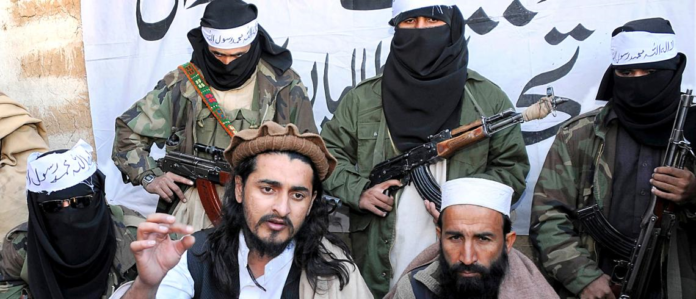
Pakistan: TTP says it killed & injured 155 military personnel in January month

Leaders of Tehreek-e-Taliban Pakistan (TTP) -- File Pic

Peshawar: Tehreek-e-Taliban Pakistan (TTP) killed and injured 155 personnel of Pakistani military and police in Khyber Pakhtunkhwa province and some other places of Pakistan during the month of January, according to the Islamist organisation.

In a detailed statement to NVI, the TTP said it carried out 110 operations during the month which resulted in heavy human and material losses to the Pakistani military.

The ‘enemy casualties’ included 75 dead and 80 injured, said the statement issued by its spokesman Muhammad Khorasani.

Giving a break-up, the statement said the casualties included 73 personnel of the Pakistan Army/SSG, 48 of the paramilitary Frontier Corps (FC), 31 of the Police/Counter-Terrorism Department (CTD) and 3 of the Secret services.

At least 10 military personnel and their agents were also “arrested” by the TTP, it said.

The TTP operations resulted in the destruction of 8 military vehicles, 1 tanker, 30 solar plates, 17 CCTV cameras and 1 drone camera.

Among the places, Tank and North Waziristan of Khyber Pakhtunkhwa saw 17 operations each, Dera Ismail Khan recorded 13 operations, South Waziristan, Khyber Agency and Bannu witnessed 13 operations each, Laki Marwat 6, Khurram Agency 3, Peshawar, Mohmand and Bajaur 2 each and Orakzai 1.

In Punjab Province, South Punjab recorded 3 operations and North Punjab and Mardan 1 each.

In Balochistan, one operation each was carried out in Zhob and Pishin.

The nature of operations included 46 Sniper/Laser Attacks, 28 Guerrilla attacks,

10 Ambushes, 14 Counterattacks, 6 Targeted Attacks, 5 Grenades/Bombings and one Suicide attack.

In these operations, the TTP seized from the Pakistani forces 13 Kalashnikovs and 16 magazines, 2 walkie talkies, 1 jeep, 1 motorcycle and other military equipment, it said.

Ex-soldier killed, wife & minor niece injured by terrorists in Kashmir

Ex-Serviceman Manzoor Ahmad Wagay who was killed by terrorists today in Kulgam, Kashmir.

Srinagar, Feb 3 (NVI) Some unidentified terrorists today killed a former Army man and injured his wife and a minor niece in an attack in Kulgam district of Kashmir.

The Ex-Serviceman, identified as 39-year-old Manzoor Ahmad Wagay, and his family were targeted at their residence in Behibagh area of Kulgam district, sources said.

They — Manzoor Ahmad, his 32-year-old wife Aina Akhtar and 13-year-old niece Saina Hameed – were shot and injured by the terrorists who fled after the attack, the sources said.

The injured persons were evacuated to a government hospital where Manzoor Ahmad succumbed to his injuries after some time, the sources said.

Soon after the attack, security forces started an operation to hunt down the terrorists responsible for the criminal act.

“The cowardly act of terror on unarmed citizens was perpetrated by the inimical elements who do not want peace and prosperity which defines Kashmir of today,” the Army said.

“In this dastardly act of terror, even the innocent woman and child were not spared,” it said. (NVI)

MUST READ