
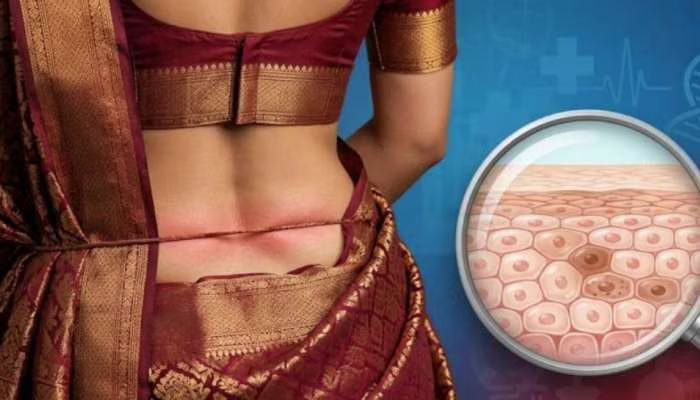
New Delhi: While the term “Saree Cancer” sounds alarming, medical experts emphasize that it is an extremely rare condition. It is not the saree itself that is carcinogenic, but rather a specific type of skin malignancy known as Squamous Cell Carcinoma that develops due to decades of chronic friction and poor hygiene at the waistline.
In tropical climates like India, the combination of heat, sweat, and a tightly tied petticoat string can lead to persistent skin irritation, which, if left unaddressed for years, may transition into a non-healing ulcer and eventually become cancerous.

Symptoms to Watch For
Early detection is key, as the signs are often subtle and can be mistaken for simple skin irritation:
-
Persistent Itching: A constant burning or itching sensation around the waistline.
-
Skin Changes: Chronic peeling, scaling, or thickening of the skin (hyperkeratosis).
-
Hyperpigmentation: Significant darkening of the skin in the area where the string is tied.
-
Non-healing Ulcers: Any sore or ulcer at the waist that does not heal with standard ointments or over time.
Simple Preventive Habits
Preventing this condition requires only minor, mindful changes to how the garment is worn.
| Habit | Why it Helps |
| Broad Waistbands | Replace thin, sharp strings with broader cotton tapes or elastic bands to distribute weight evenly. |
| Loosen the Tie | Avoid tying the petticoat excessively tight. A firm but comfortable fit prevents restricted blood flow. |
| Rotate the Height | Slightly shift where you tie your saree—sometimes higher, sometimes lower—to avoid localized trauma. |
| Maintain Hygiene | Ensure the waist area is washed thoroughly and dried completely to prevent sweat-induced fungal infections. |
| Fabric Choice | Use 100% cotton petticoats. Unlike synthetics, cotton allows the skin to breathe and absorbs moisture. |
| Nighttime Recovery | Always switch to loose nightwear (gowns or pajamas) to allow the skin to repair itself overnight. |
Saree Cancer is a slow-developing condition caused by mechanical irritation over decades. By making small adjustments to the way the petticoat is secured and prioritizing skin “rest” during the night, women can easily eliminate the risk while continuing to embrace this traditional attire.