New Delhi, May 08: The luxury of a cross-Atlantic cruise turned into a medical mystery this week as the MV Hondius became the center of a global health alert. With at least three passengers dead and dozens more being tracked across 12 countries, the rare Hantavirus has re-emerged in the headlines. While the news has revived uncomfortable memories of 2020, health officials are racing to explain why this “hidden” virus is suddenly making waves in the middle of the ocean.
A Rare Strain with a Human Twist
What makes the current situation aboard the MV Hondius particularly alarming is the suspected involvement of the Andes virus. While most Hantaviruses are a “dead-end” in humans—meaning they stop with the person who caught it from a rodent—the Andes strain found in South America is the rare exception that can spread from person to person. This potential for human-to-human transmission is why the WHO has alerted countries from Singapore to Sweden to monitor disembarked passengers.
Rodents, Dust, and the “Thermos” Effect
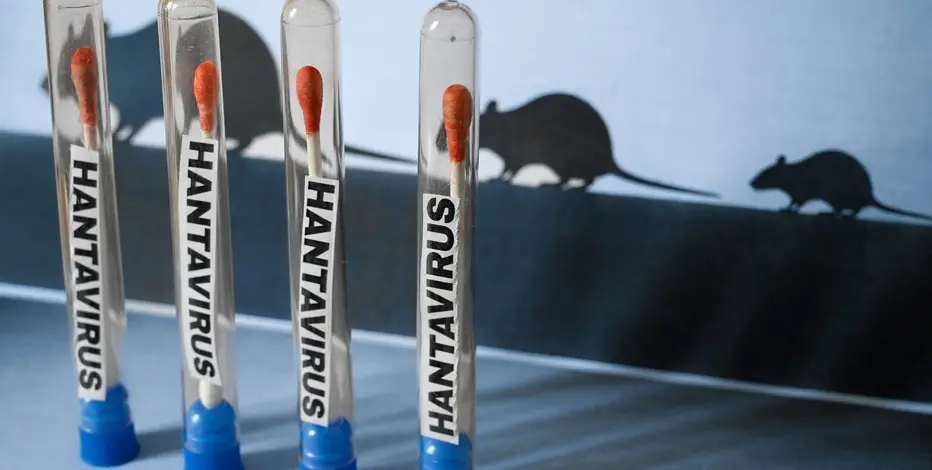
In most cases, Hantavirus isn’t something you “catch” from a cough in a crowded mall. It is primarily a rodent-borne illness. Humans typically become infected by breathing in tiny, contaminated particles of rodent urine or droppings—often while cleaning out long-closed sheds, cabins, or storage units. On the cruise ship, investigators believe the initial spark may have occurred during a birdwatching trip in Argentina, where passengers likely encountered infected environmental pockets before returning to the close quarters of the ship.
Why Experts Say “This Isn’t COVID-2.0”
Despite the high fatality rate—which can reach a staggering 35% to 40%—epidemiologists insist that Hantavirus is unlikely to cause a global pandemic. Unlike the highly efficient airborne spread of COVID-19, Hantavirus transmission between humans is extremely difficult. It requires “close and prolonged” contact, such as sharing a long dinner or living in the same room, rather than a casual greeting. As Dr. Maria Van Kerkhove of the WHO noted, most people will simply never be exposed to the virus in their daily lives.
The Difficulty of the “Wait and See” Period
One of the biggest hurdles for health authorities is the virus’s long incubation window. Symptoms can take anywhere from one to eight weeks to appear. This “stealth mode” makes contact tracing a nightmare, as a passenger could feel perfectly fine while flying across the world, only to fall ill a month later. The illness typically starts with deceptive “flu-like” symptoms—fever, aches, and chills—before potentially escalating into severe respiratory distress as fluid fills the lungs.
Prevention Over Cure
Currently, there is no specific vaccine or antiviral cure for Hantavirus; treatment relies heavily on intensive care and oxygen support. Because of this, the focus remains entirely on prevention. Health experts advise that anyone cleaning dusty, rodent-prone areas should avoid sweeping (which kicks up dust) and instead use disinfectants to wet down contaminated surfaces. While the cruise ship outbreak is a sobering reminder of nature’s unpredictability, officials believe that with strict isolation and monitoring, this “rare” threat will remain just that—rare.