Thursday, September 10, 2026
Home Blog Page 1113

J&K’s Covid tally crosses 75k mark with 17 more deaths, 975 fresh cases

Over 3,200 cops COVID positive in J&K and 15 succumbed to virus
File photo

Abid Bashir

Srinagar (NVI): Covid-19 today claimed 17 more lives in Jammu and Kashmir, taking the death toll to 1,181, while 975 fresh positive cases took the overall tally of confirmed cases in the UT 75,075.

Out of the total cases, 45,799 are from Kashmir and 29,271 from Jammu division. Officials said that among 975 new cases, 407 belong to Kashmir division while 568 are from Jammu division, adding that the total number of positive cases in Kashmir division has reached 45,799 including 37,885 recoveries and 839 deaths.

The total number of positive cases in Jammu division has reached 29,271 including 18,987 recoveries and 342 deaths.

The officials said that total number of active cases in J&K is 17,017 including 7,075 from Kashmir division and 9,940 from Jammu division.

With 1,355 more recoveries, the tally of total recoveries in the UT has reached 56,872 which is 75.76 percent of the total cases.

“Cases tested positive in J&K include 173 from Srinagar, 48 from Budgam, 53 from Baramulla, 33 from A Pulwama, 16 from Anantnag, 15 from Bandipora, 38 from Kupwara, 23 from Ganderbal, 06 from Kulgam and 02 from Shopian in Kashmir division while as 568 from Jammu division include 353 from Jammu, 27 from Rajouri, 41 from Udhampur, 12 from Kathua, 18 from Doda, 24 from Samba, 27 from Poonch, 12 from Ramban, 19 from Reasi and 35 from Kishtwar,” read the daily Covid bulletin.

Notably, in the last 24 hours, 17 persons who were tested positive for COVID-19 have died which include 6 from Kashmir division and 11 from Jammu division.

As per the media bulletin, patients who have died include three from Srinagar, two from Anantnag and one from Ganderbal in Kashmir while 11 from Jammu division include four from district Jammu, three from Poonch and one each from Rajouri, Kuthua and Doda.

Apart from that, 5,76,398 persons in J&K are under observation while 15,423 persons have been kept under home quarantine. Besides that, 17,017 persons are in isolation.

According to the bulletin, 4,92,202 persons have completed surveillance period and 50,575 persons are under home surveillance.

So far, results of 16,22,775 samples are available out of which 15,47,705 stand negative while 75,070 have tested positive. Among positive cases, 17,017 are active, 56,872 persons have recovered and 1,181 persons have died.

-ARK


China violating human rights in Tibet through mass surveillance, censorship

New Delhi (NVI): There is no end to human rights violations by China in Tibet, where Beijing has used its mass surveillance programs for years to control the local populace and instill fear in them through censorship so that they don’t revolt.

On top of it, aggressive policies by China to control Tibet have forced the local population to adopt ‘mutual self-censorship’, according to a new report.

Silencing their own voice and appear deaf and blind to the forced Chinese occupancy has perhaps become the destiny of thousands of Tibetans.

The report titled ‘Surveillance and Censorship in Tibet’ reveals that mutual self-censorship threatens Tibetans’ ability to express their political and cultural identity or protest human rights violations and political repression.

According to the report, China’s widespread and intrusive practices of mass surveillance and censorship have served as a perfect foil to continue perpetuating human rights violations with impunity in Tibet.

Since 2008, when Tibetans held widespread protests calling for freedom and return of His Holiness the Dalai Lama, Chinese authorities have tightened control to ensure that such an event will never happen again, says a new report released today by the Tibetan Centre for Human Rights and Democracy (TCHRD).

The report documents how Tibetans in and out of Tibet are not only censoring themselves, they are censoring each other because Chinese authorities have made censorship the responsibility of the whole populace.

For years now, the Chinese Communist Party (‘Party’) authorities have enforced a model of social control that has proved highly successful in silencing Tibet and encouraging the rapid forced assimilation of Tibetans.

The report says that various methods of mass surveillance such as the “Grid Management” and “Double-Linked Household” systems obligate individuals to report suspicious activity and betray one another or face consequences.

As the report notes, surveillance and censorship system in Tibet is designed to discipline and produce subjects that are willing to exercise self-censorship in order to avoid coercive and punitive state retaliation. It is the fear of disciplinary actions such as torture and imprisonment of oneself and one’s loved ones that force many to self-censor and unwittingly protect the interests of the Chinese Party-state. It aligns on many levels with the Party’s political and ideological campaigns to make citizens ‘patriotic’ and ‘loyal’.

In addition to the “Grid Management” system under which counties are subdivided into cells for intrusive monitoring and surveillance, a network of thousands of “convenience police posts” collects biometric data on the population and serves as outposts or checkpoints in the event of potential unrest. These police posts range across the entire region, with plans for building at least one such post in each of the 5464 villages in Tibet Autonomous Region (TAR), serving to extend the physical presence of the Party-state into every nook and corner of Tibet.

The mass collection of DNA profiles alongside online surveillance and censorship has enabled China to establish a high-tech surveillance state. In June 2019, Chinese authorities had collected DNA samples of all residents in Chamdo (Ch: Qamdo) City after the police established the DNA database system to fight crime although evidence show little in terms of fighting actual crimes. Chamdo is the third largest city in TAR with an estimated population of 657505.

The database covers all levels of governmental jurisdictions, monastic institutions, and the farming and nomadic community and contains basic information on all citizens including fingerprints, blood samples, and irises.

In one of the testimonies in the report, a Tibetan man recounted the intense restrictions he faced during his 2016 visit to his hometown in Dola (Ch: Qilian) County in Tsojang (Ch: Haibei) Tibetan Autonomous Prefecture, Qinghai Province in the Tibetan province of Amdo.

On his arrival in Xining, he had to report to the provincial United Front Work Department, where he was temporarily given an iPhone 4 that he was required to use for all communication purposes during his entire stay in Tibet. He was prohibited from using his own phone, which was subjected to a thorough search by the authorities.

There was also an explicit order that forbid him from taking any pictures and videos of his hometown or share any such information with Tibetans in India. The iPhone 4 had preinstalled malware that automatically downloaded pictures and audio messages enabling the authorities to track his movement and location, as he later learned from his relatives.

The report warns that ignoring the unprecedented level of imposed self-censorship and attendant human rights violations will have serious and widespread negative ramifications not only on human rights situation in Tibet and elsewhere in the PRC but also outside of it due to the normalisation of ‘digital transnational repression’.

Concluding with a list of recommendations, the report calls for a strong global coalition of states, civil societies, corporate bodies, and individuals united by their shared concerns and values about human rights and individual freedoms to counter the growing influence of Chinese state surveillance and censorship model.

-ARK

India, China discuss 5-point agenda to ease border tensions at 19th WMCC meet

Ladakh

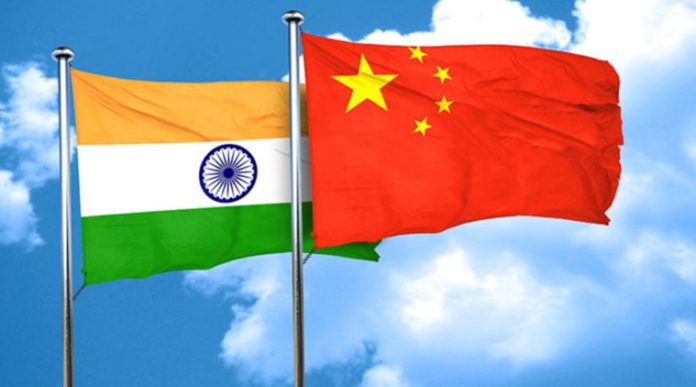
New Delhi (NVI): In another round of diplomatic-level talks on border standoff in eastern Ladakh, India and China today discussed five-point consensus reached earlier this month between the foreign ministers of two countries to resolve situation at the Line of Actual Control (LAC).

The 19th Meeting of the Working Mechanism for Consultation & Coordination (WMCC) on India-China Border Affairs was held virtually between the two sides to resolve the nearly five-month-long border standoff.

“The two sides reviewed the current situation along the Line of Actual Control (LAC) in the India-China border areas and had frank and detailed discussions on the developments since the last meeting of the WMCC on 20 August, 2020,” the Ministry of External Affairs said in a statement.

The two sides attached importance to the meetings between the two Defence Ministers and the two Foreign Ministers held earlier this month, the MEA said. Defence Minister Rajnath Singh had met and his Chinese counterpart Wei Fenghe on the sidelines of SCO summit in Moscow.

External Affairs Minister S Jaishankar and his Chinese counterpart Wang Yi had also held a bilateral meeting at SCO meet in the wake of escalating tensions in eastern Ladakh which deteriorated after the armies of two sides clashed in Galwan Valley on June 15. Both sides had suffered loss of lives in the deadly face-off.

In today’s meeting the senior officials from the two sides also noted that the agreement between the two Foreign Ministers should be sincerely implemented to ensure disengagement at all the friction points along the LAC.

They also positively evaluated the outcome of the 6th Senior Commanders meeting on 21 September, the MEA said.

“They emphasized the need to implement the steps outlined in the joint press release issued after the last meeting of the senior commanders so as to avoid misunderstandings and to maintain stability on the ground. In this context, the need to strengthen communication, especially between the ground commanders, was emphasized by both sides,” the MEA statement read.

Apart from that, the WMCC meet also ​saw both the sides agreeing to continue to maintain close consultations at the diplomatic and military level.

“In this regard, they agreed that the next (7th) round of the meeting of Senior Commanders should be held at an early date so that both sides can work towards early and complete disengagement of the troops along the LAC in accordance with the existing bilateral agreement and protocols, and fully restore peace and tranquility,” MEA said.

The diplomatic level meeting takes place a day after India categorically rejected the Chinese interpretation of the Line of Actual Control (LAC) in Ladakh, saying that it has never accepted the so-called unilaterally defined 1959 LAC and this position has been consistent and well known, including to the Chinese side.

MEA spokesman Anurag Srivastava, while responding to queries on a media report, quoting a Chinese Foreign Ministry statement regarding China’s position on the LAC, said that the 1959 claim made by Beijing was not mutually agreed upon.

-ARK

Oxford University to study anti-TNF drug as potential COVID-19 treatment

vaccine
(File/Representational image)

New Delhi (NVI): The researchers at the University of Oxford to begin a new study to explore the effectiveness of world’s best selling prescription medicine, Adalimumab, as a treatment for COVID-19 patients.

“The AVID-CC trial will test the anti-tumour necrosis factor (anti-TNF) drug and will be aimed at treating people in the community, especially in care homes,” Oxford University said in a statement.

The trial will be conducted by Oxford Clinical Trials Research Unit (OCTRU), will enrol up to 750 patients from community care settings throughout the UK.

The process is funded by the COVID-19 Therapeutics Accelerator, an initiative set up by Wellcome, the Bill and Melinda Gates Foundation and Mastercard, with support from an array of public and philanthropic donors.

Meanwhile, a new research has identified some treatments that are effective for patients in hospital with COVID-19, but no effective treatments have yet been identified for those in the community care settings, many of whom may have severe symptoms.

The residents of care homes were particularly hard hit by the first wave of COVID-19 in the UK and other countries.

The statement further said, anti-tumour necrosis factor (anti-TNF) drugs have been in widespread use for over 20 years for a range of inflammatory conditions.

“Recent studies have shown that COVID-19 patients already taking anti-TNF drugs for inflammatory bowel disease and inflammatory arthritis are less likely to be admitted to hospital,” it added.

In addition to this, the same was not observed for patients taking other anti-inflammatory drugs. The availability of biosimilar versions of biological treatments has been an important step forward in driving down costs, making the anti-TNF treatment affordable and accessible if the trial is successful.

“The observed potential of anti-TNF drugs has prompted us to conduct a study in patients in community care to see whether treatment with the anti-TNF drug adalimumab reduces the progression to severe or critical disease or death in COVID-19 patients,” said Prof Duncan Richards, Professor of Clinical Therapeutics, University of Oxford.

Furthermore, the new study will be delivered by hospital at home teams around the UK. Hospital at Home is a relatively new service in which hospital-based teams reach out into the community to deliver more complex treatment interventions while avoiding the need for admission to hospital, the university said.

However, this study sits in a unique function between the existing national platform therapeutic studies PRINCIPLE (primary care) and RECOVERY (hospitals).

-RJV

Deadline to file Income Tax Return for FY2018-19 further extended due to COVID

New Delhi (NVI): The Central Board of Direct Taxes (CBDT) today further extended the last date for filing Income Tax Return (ITR) for Fiscal year 2018-19 (AY2019-20), to November 30 from September 30.

The I-T department, in a statement, said that the decision was taken after further consideration of genuine difficulties being faced by the taxpayers due to the Covid-19 situation.

Those looking to file belated or revised ITRs for income generated between April 2018 and March 2019 can now do so till 30 November, CBDT said.

In a tweet from its official handle, Income Tax department today said, “On further consideration of genuine difficulties being faced by taxpayers due to the Covid-19 situation, CBDT further extends the due date for furnishing of belated & revised ITRs for Assessment Yr 2019-20 from 30th September, 2020 to 30th November, 2020.Order u/s 119(2a) issued.”

The last date for filing tax returns for AY 2019-20 was extended for the fourth time in the wake of the Covid-19 pandemic. It was first revised till June 30, then July 31, and later till September 30.

Recently, the tax department has been sending SMS and e-mails to such taxpayers with a request to file ITR.

Meanwhile, the CBDT has issued refunds of over Rs 1,18,324 crore to more than 33.54 lakh taxpayers between April 1 to September 29, 2020, the Income Tax Department said today.

The I-T refunds of Rs 32,230 crore were issued in 31,75,358 cases and corporate tax refunds of Rs 86,094 crore have been issued in 1,78,540 cases, the statement read.

-CHK

Paris rattled by sonic boom from military jet

New Delhi (NVI): The massive noise heard across Paris and nearby suburbs today was not caused by an explosion but by sonic boom from a military jet, the French Police have confirmed.

The shockwave rattled windows, made birds fly up and was heard in every part of the city, leading to a surge in phone calls to police.

The police in the French capital said the sonic boom was caused as the military jet broke the sound barrier.

The huge noise had earlier panicked residents of Paris and sent netizens in the French capital in a tizzy on social media.

“A very loud noise was heard in Paris and in the Paris region. It was not an explosion, it was a fighter jet crossing the sound barrier,” Paris police prefecture posted on their Twitter account.

The police asked the people not to call emergency phone lines.

The blast echoed around the Roland Garros stadium during the French Open tennis tournament and players Stan Wawrinka of Switzerland and his German opponent Dominik Koepfer paused their match in astonishment and worry.

A similar loud sonic boom was heard in many areas in Bengaluru, India, on May 20, with speculations rife among the public even as officials in disaster monitoring centre clairifying that there was no earthquake.

The Defence Department admitted later that the sound was indeed a sonic boom, caused by a jet crossing the sound barrier.

-CHK

USAID, SEWA Bharat to support women entrepreneurs through W-GDP fund

New Delhi (NVI): The United States Agency for International Development (USAID) in India has been selected, for the second time in two years, for funding from the White House-led Women’s Global Development and Prosperity (W-GDP) Initiative, to support women entrepreneurs in the country.

Under the initiative, USAID will be partnering with the Self-Employed Women’s Association (SEWA) Bharat, a national federation of women-led institutions, providing economic and social support to women workers in the informal economy, the US Embassy said in a press release.

W-GDP is the US Government’s first whole-of-government effort to advance women’s economic empowerment globally.

US Ambassador to India, Kenneth I Juster, highlighted the need to support opportunities for women and women-owned businesses and said, “The US Government recognizes that women are indispensable contributors to a country’s economy and is committed to tackling barriers that prevent women from doing so.”

“The COVID-19 pandemic has made it more difficult for women entrepreneurs to participate and succeed in economic activity. This partnership between USAID and SEWA Bharat will help women overcome barriers and help women contribute more fully to the Indian economy as it recovers from the impact of the pandemic,” she added.

The women-owned cooperatives and women micro-entrepreneurs who are members of SEWA Bharat face unique related to the global COVID-19 pandemic that threaten their livelihoods, the release said.

Moreover, the new “W-GDP Building Resilient Women Entrepreneurs” project, USAID and SEWA aims to reach 1,35,000 women by strengthening SEWA agriculture, garments, social security, and finance cooperatives to help members prepare for and respond to COVID-19 through market-based approaches.

It will also help micro entrepreneurs identify opportunities to diversify or expand businesses in the current COVID-19 context and will support an enabling environment that allows micro-entrepreneurs and cooperatives to thrive.

The W-GDP Initiative and the associated W-GDP Fund was created by Advisor to the President, Ivanka Trump and established by President Donald J Trump in February 2019.

In its first two years, the W-GDP Fund has totaled USD 200 million and partnered with more than 450 private sector, non-governmental, local organizations, and country governments to work with more than 60 countries around the world.

Earlier on August 1, at a event in Washington, Advisor to the President, Ivanka Trump announced USD 122 million in W-GDP programs, including the W-GDP Building Resilient Women Entrepreneurs project in India.

During the event, Ivanka noted, “The W-GDP Fund was created to source and scale the most innovative programs to advance women’s economic empowerment. We are leveraging the resources and expertise of the U.S. government and the private sector so that activities have enduring, deep effects on the communities they reach.”

John Barsa, Acting Administrator, USAID said, “Global prosperity will remain out of reach if we exclude half the population. At the US Agency for International Development (USAID), we believe investment in women is key to unlocking human potential on transformational scale.”

“The W-GDP Fund at USAID is financing innovative solutions to close the economic gap between women and men and help our partners advance on their Journeys to Self-Reliance,” Barsa added.

-RJV/ARK

Shah distributes electric potter wheels

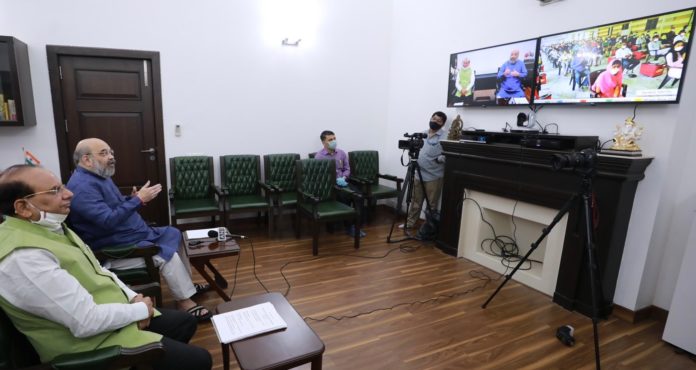
New Delhi (NVI): Union Home Minister Amit Shah today distributed 200 electric potter wheels (chaak) to 200 trained artisans of Kumhar community in Gandhinagar and Ahmedabad under the ‘Kumhar Sashaktikaran Yojana’ via video conferencing.

“As many as 200 families from 20 villages in Gandhinagar, Ahmedabad took a stride towards sustainable self-employment today by associating with Kumhar Sashakrikaran Yojana of Khadi and Village Industries Commission (KVIC),” the Ministry of Micro, Small & Medium Enterprises said in a statement.

However, the distribution of electric potter wheels will benefit at least 1,200 members of the community by increasing their productivity and their income, it added.

Shah also lauded the various self-employment schemes of KVIC like Honey Mission, Kumhar Sashaktikaran Yojana, Leather Artisans’ Empowerment and Project DigniTEA. He was accompanied  KVIC Chairman Vinai Kumar Saxena during the virtual event.

The Union Minister said the electric chaak will not only help potters to enhance their production but also enable them to make new fancy products that will fetch them good income during the Dussehra and Diwali festivals.

He urged every beneficiary to rope in at least 10 other families with Kumhar Sashaktikaran Yojana for the larger benefit of the community.

“Empowerment of the Kumhar (Prajapati) community by improving their socio-economic condition has been the dream of our Prime Minister. KVIC’s Kumhar Sashaktikaran Yojana is aimed at making potters “Aatmanirbhar” by creating sustainable local employment for them while preserving the heritage art of pottery. It is important that young potters take up the art of pottery and expand it across the country,” Shah said.

He further said the government has created proper marketing channels including tie-up with the Indian Railway for selling their products.

“Indian Railway has already designated 400 railway stations where only earthenware is being used to sell food and beverages. I will also request the Railway Minister to identify more such stations so as to provide a bigger marketing platform to our potters,” Shah added.

-RJV

NITI Aayog, Netherlands embassy sign SoI to support decarbonisation

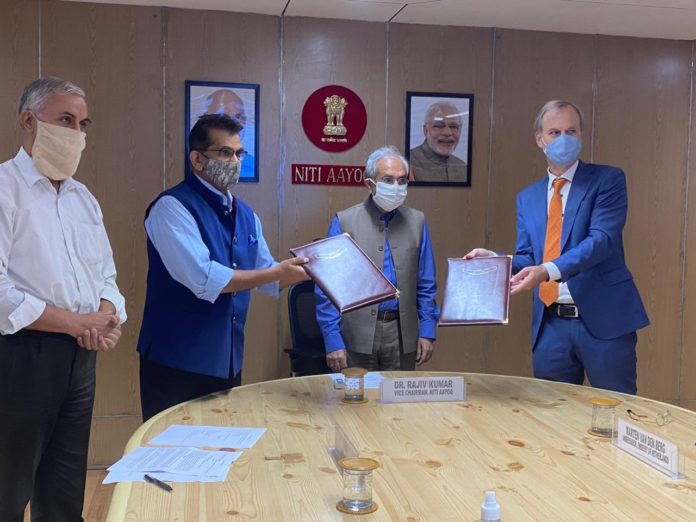
New Delhi (NVI): NITI Aayog and Embassy of the Netherlands, New Delhi, signed a Statement of Intent (SoI) to support the decarbonization and energy transition agenda for accommodating cleaner and more energy.

The SoI was signed by NITI Aayog CEO Amitabh Kant and Ambassador of the Netherlands to India Marten van den Berg. Through this collaboration, NITI Aayog and the Dutch Embassy seek a strategic partnership to create a platform that enables a comprehensive collaboration among stakeholders and influencers, including policymakers, industry bodies, OEMs, private enterprises, and sector experts.

The focus of the partnership is on co-creating innovative technological solutions by leveraging the expertise of the two entities. This will be achieved through an exchange of knowledge and collaborative activities, according to a statement by NITI Aayog.

Key elements include i) lowering the net carbon footprint in industrial and transport sectors ii) realise the target potential of natural gas and promote bio-energy technologies iii) adopt clean air technologies from monitoring to reducing actual particulates iv) adopt next-generation technologies, such as hydrogen, carbon capture utilization, and storage for sectoral energy efficiency v) financial frameworks to deliver and adopt climate change finance, the statement added.

Amitabh Kant, CEO, NITI Aayog, said, ‘We are committed to reduce emissions’ intensity by 33–35 per cent by 2030. With the focus on carbon intensity of products sold across the world, low carbon industrialization is the next huge opportunity for India.”

The Netherlands and India share a long history of trade and investment. It is India’s sixth largest EU trading partner—as much as 20 per cent of India’s exports to the European continent goes through the Netherlands, making it India’s ‘gateway to Europe’— and one of the top five investors in the country. It is also the third largest source of Foreign Direct Investment for India.

-CHK

Shopian encounter: Bodies to be exhumed, handed over to family, says J&K Police

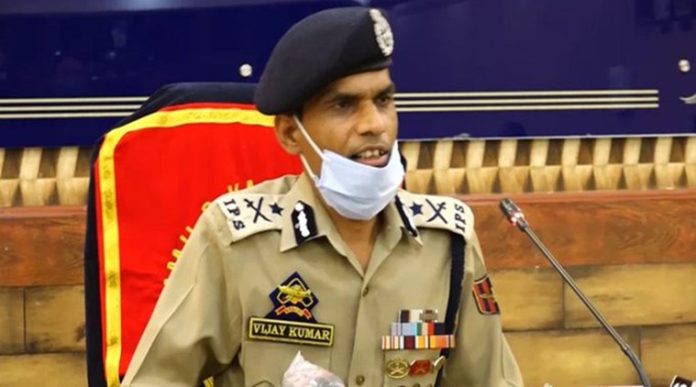
IGP Kashmir Vijay Kumar (File photo)

Abid Bashir

Srinagar (NVI): The J&K Police today said that the bodies of three youths from Rajouri, who were killed in an enounter in Amshipora area of Shopian on July 18, will be exhumed and handed over to their families after due legal procedure.

“Since DNA samples (of the slain trio) matched with their families, three bodies will be exhumed and handed over to families after due process of law,” Inspector General of Police (Kashmir range), Vijay Kumar told NVI.

The development comes just a day after DGP Dilbagh Singh said that police probe into the Amshipora encounter was in final stage. The families of slain trio had appealed that the bodies of their wards be exhumed and handed over to them since DNA samples have matched.

“We have been called by the Rajouri administration for consultations. We demand immediate exhumation of bodies of our sons, compensation and punishment to those involved in fake encounter,” said Muhammad Yousuf, father of one of the youths killed in Amshipora.

The Army had ordered a Court of Inquiry into the encounter last month after the three families came forward to say the youths were cousins — one of them was reportedly 16 years old — who had gone to Kashmir for work and had not been in touch with his family since July 17 night.

On September 18, the Army had said in a statement that “the dos and don’ts of Chief of Army Staff (COAS) as approved by the Hon’ble Supreme Court have been contravened” in the course of the operation.

The Army did not elaborate on exactly how the Armed Forces Special Powers Act (AFSPA) was exceeded and the guidelines were contravened, but said that disciplinary proceedings under the Army Act will be initiated against those found prima facie answerable.

“The inquiry has prima facie indicated that the three unidentified militants killed in Op Amshipora were Imtiyaz Ahmed, Abrar Ahmed and Mohd Ibrar, who hailed from Rajouri,” the statement read.

-ARK

MUST READ