Monday, October 5, 2026
Home Blog Page 1204

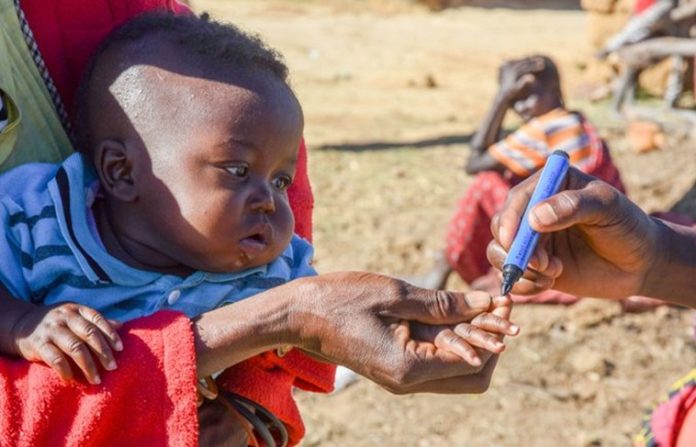
New polio outbreak in Sudan, after WHO declared Africa free of wild virus

(Pic courtesy: UNICEF)

New Delhi (NVI): Just weeks after the World Health Organisation (WHO) declared the African continent free of the wild poliovirus, the north African country of Sudan has witnessed fresh cases of the virus.

The outbreak has been linked to the oral polio vaccine that uses a weakened form of the virus, making it a case of vaccine-derived polio, reports The Guardian.

The fresh outbreak comes even as WHO had noted that a strain of the virus was circulating in Chad last year and had a high risk of spreading to other parts of the Horn of Africa.

The global health body, in a statement on the new cases, said that two children in Sudan, one from South Darfur state and the other from Gadarif state, close to the border with Ethiopia and Eritrea, were paralysed in March and April. Both had been recently vaccinated against polio.

Initial outbreak investigations showed the cases were linked to a continuing vaccine-derived outbreak in Chad that was first detected last year and is now spreading in Chad and Cameroon, The Guardian reported.

On August 25, the WHO certified the total eradication of poliomyelitis in Africa, after decades of work by a coalition of international health bodies, national and local governments, community volunteers and survivors.

Following the announcement, Pakistan and Afghanistan remain the only two countries where polio is still endemic.

However, the fresh outbreak has raised concerns over the spread of disease by the vaccine itself.

The oral polio vaccine, which is preferred in some places because of its ease of delivery and the lack of need for sterile syringes, uses a weakened version of polio.

When a child receives the oral vaccine, the weakened virus replicates in the intestine, encouraging the production of antibodies, and can be present in excreta. In an area where there are high enough levels of immunity in the population, this usually does not present a problem, even if sanitation is poor.

But in areas where there is both poor sanitation and a lack of general immunisation the virus can survive and circulate for months, mutating over time until it poses the same risk of paralysis-causing disease as wild polio.

In the past also, since WHO launched the Polio eradication campaign in 1988, the outbreaks of polio caused by the vaccine have been rationalised as “collateral damage,” writes Thomas Abraham, a journalist and author in his book ‘Polio: The Odyssey of Eradication’.

-ARK

Children in richest nations face obesity, lack of skills: UNICEF

(Source: @UNICEF)

New Delhi (NVI): Children in the world’s richest countries lack basic reading, mathematics skills and suffer from poor mental well-being and obesity, according to a UNICEF report.

The UN Children’s Fund (UNICEF) urges governments to improve and protect child well-being in the face of the economic, social and educational fallout from the COVID-19 pandemic.

The report used the data from 41 countries before the coronavirus pandemic, and warned that the crisis posed a substantial threat to a child’s well-being.

Among these indicators, Denmark, the Netherlands, and Norway are the best places for a child while Bulgaria, Chile, and the US are ranked the worst places for a child among high-income countries, it added.

According to UNICEF, around 20 per cent of children do not have high life satisfaction in most affluent countries, in which Turkey fares worst, with only 53 per cent of children having high life satisfaction, followed by Japan and Britain.

Significantly poorer mental health rates were found among children from less supportive families or those who are being bullied and is also a leading cause of suicide.

Lithuania has the highest rate of adolescent suicide, followed by New Zealand and Estonia, the report said.

In terms of physical health, around one in three children across all countries are obese or overweight, with rates in Southern Europe rising sharply.

The report further informed that, 40 per cent of children in rich countries lack basic reading and Maths skills by the age of 15, with those in Bulgaria, Romania, and Chile being the least proficient.

Additionally, at least one in every five children lack confidence in their social skills to make new friends, with children in Chile, Japan and Iceland listed as the least confident in this area, UNICEF said.

Gunilla Olsson, UNICEF Innocenti director said, “Many of the world’s richest countries – which have the resources they need to provide good childhoods for all – are failing children.”

“Unless governments take rapid and decisive action to protect child well-being as part of their pandemic responses, we can continue to expect soaring child poverty rates, deteriorating mental and physical health, and a deepening skill divide among children,” Olsson added.


-RJV

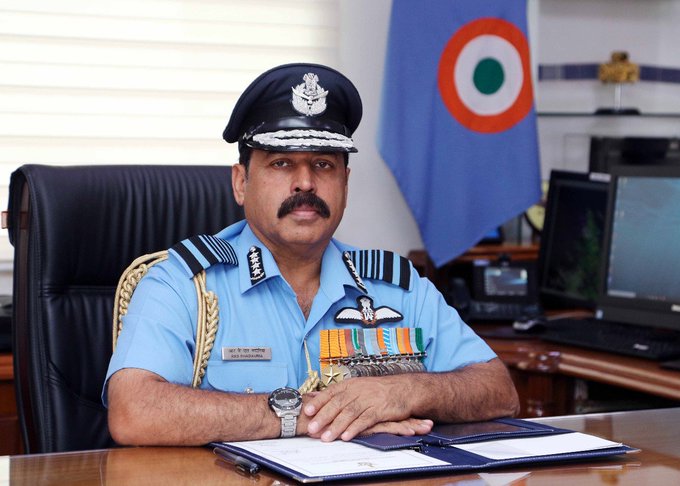
IAF Chief visits frontline air bases in Eastern Command amid India-China faceoff

New Delhi (NVI): Air Chief Marshal RKS Bhadauria is visiting frontline air bases in Eastern Air Command to review operational preparedness amid the fresh escalation of tensions between India and China along LAC in Ladakh.

The IAF Chief reached the Eastern Command yesterday and the Air Force officers apprised him of the readiness state and operational preparedness of the combat units under their command.

The IAF Chief’s visit to the strategically important air bases in Eastern Command, which has headquarters in Shillong (Meghalaya), comes amid heightened tensions with China along LAC in Eastern Ladakh where the PLA troops tried to change the status quo at the southern bank of Pangong Tso lake, a move which was thwarted by the Indian Army.

The Chief of Air Staff (CAS) also met and interacted with air warriors serving in these units during the course of his visit. He lauded the focussed efforts by the station personnel towards maintaining proficiency in all roles envisaged and urged them to continue performing their duty with due diligence, the IAF statement read.

While Bhadauria visited the eastern air bases, Army Chief General Manoj Mukund Naravane arrived on a two-day visit in Ladakh this morning, in the wake of fresh incursion attempts by the Chinese troops which were thwarted by the Indian Army.

India and China are locked in a stand-off since the last four months, triggered by China’s aggressive actions at multiple points in the Eastern Ladakh sector in early May. On one occasion, the militaries of the two countries engaged in a bloody fight on June 15, in which India lost 20 soldiers, including a Colonel. China also suffered an unspecified number of casualties.

Over these last four months, several rounds of talks have been held at military and diplomatic levels but China has refused to pull back its troops from the friction points, in its attempt to change the status quo at the LAC.

-ARK

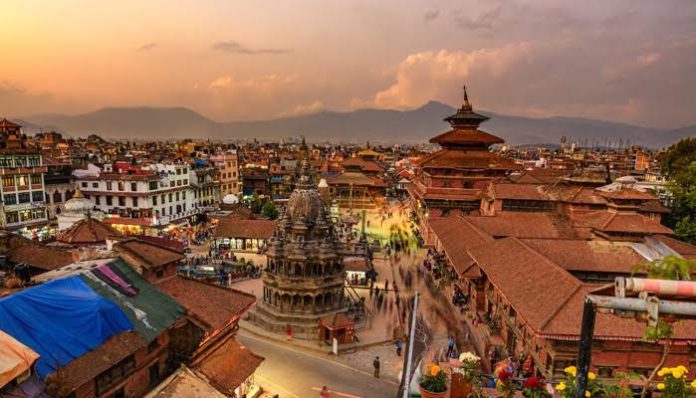
Nepal plans to prioritise Indian tourists after COVID-19 situation improves

New Delhi (NVI): The government of Nepal is preparing itself to impress the Indian tourists after COVID-19 situation gets improves and lockdown restrictions are lifted.

According to the plan by Gandaki provincial government of Nepal, it has decided to keep the Indian tourists at the top of the priority list.

Nepal’s Tourist Minister Bikash Lamsal said, “The Nepal government is planning to give utmost preference to Indian tourists on their list as they form a major part of Nepal foreign tourist arrivals.”

Last year, more than 12 lakh tourists visited Pokhara-The City of Lakes, out of those 40 per cent were Indian tourists. In the year 2018, approximately 11.73 lakh tourists visited Nepal and the majority of the tourists were from India.

Moreover, the top activities like trekking, boating, paragliding, kayaking, etc are very popular among tourists in Nepal.

In addition, Bikash said as they were not able to host the tourists this year due to Coronavirus induced lockdown, but they are making efforts to welcome more foreign tourists in the upcoming years.

The minister also said, “We are celebrating the year 2019-2022 as Tourism Year with a target to host two million tourists. 2019 was Domestic Tourism Year, 2020 Neighbour Tourism Year, 2021 Tourism Infrastructure Improvement Year and 2022 International Tourism Year.”

As the situation is not favourable, we are working on plans to cover the loss incurred this year and will be focusing on revamping efforts next year, he added.

Due to the spread of COVID-19 pandemic, Nepal has suffered a loss of around 13 crore Nepali rupees on a daily basis because of the stop on all the tourist activities.

Reportedly, at least 10,674 companies have been shut down due to the recession and the tourism sector suffered huge losses in the last four months due to COVID-19.

-RJV


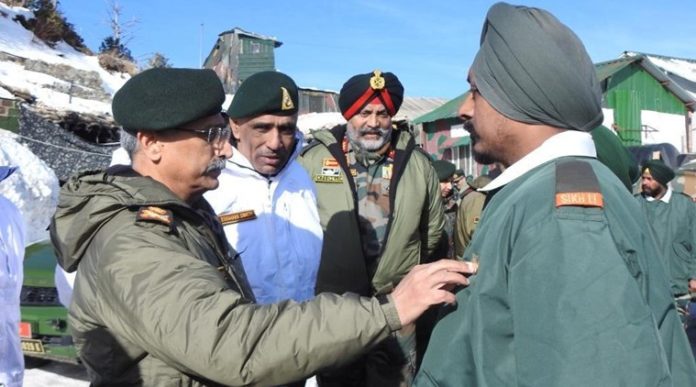
Army Chief arrives in Leh amid heightened tensions post ‘Chinese incursion’ attempts

File

Abid Bashir

Srinagar (NVI): Army Chief General MM Naravane arrived in Leh this morning on a two-day visit to review operational preparedness amid mounting tensions between India and China in Eastern Ladakh in the wake of fresh attempts by PLA to change the status quo at Pangong Tso lake.

Defence officials said that Gen Naravane met top Army officials in Leh and sought feedback from them on recent brigade commander level talks with the Chinese military.

The Army chief’s visit comes in the backdrop of the two incursion attempts by China at LAC. First, on the intervening night of last Saturday and Sunday when the Chinese Army made an attempt to change the status quo on the Southern Bank of Pangong Tso Lake along LAC, but it was thwarted by the Indian Army.

PLA made a second incursion attempt on Monday even as the ground commanders of the two sides were in discussions to de-escalate the situation. That attempt too was thwarted by the alert Indian troops.

Official sources said that the Army chief will be in Ladakh for two days and will review the security situation in the region along LAC, especially Pangong Tso lake where both Indian and Chinese troops have been deployed in large numbers in the wake of fresh stand-off.

Brigade Commander-level Flag meetings were also held after the fresh set of skirmishes to pacify the situation after the fresh Chinese transgressions.

Ladakh’s former MLA and senior political leader, Deldan Namgyal told NVI that the situation in Eastern Ladakh is highly alarming as China has encroached the Indian territory and the fresh incursion in the area by the PLA has forced the government to snap telecom services in the area close to Line of actual control (LAC).

It may be recalled that this is the second visit of the Army chief to the Ladakh amid tensions with China. Chief of Defence Staff (CDS) General Bipin Rawat had recently said that India has military option to deal with China if talks fail.

India and China are locked in a stand-off since the last four months, triggered by China’s aggressive actions at multiple points in the Eastern Ladakh sector in early May. On one occasion, the militaries of the two countries engaged in a bloody fight on June 15, in which India lost 20 soldiers, including a Colonel. China also suffered an unspecified number of casualties.

Over these last four months, several rounds of talks have been held at military and diplomatic levels but China has refused to pull back its troops from the friction points, in its attempt to change the status quo at the LAC.

-ARK

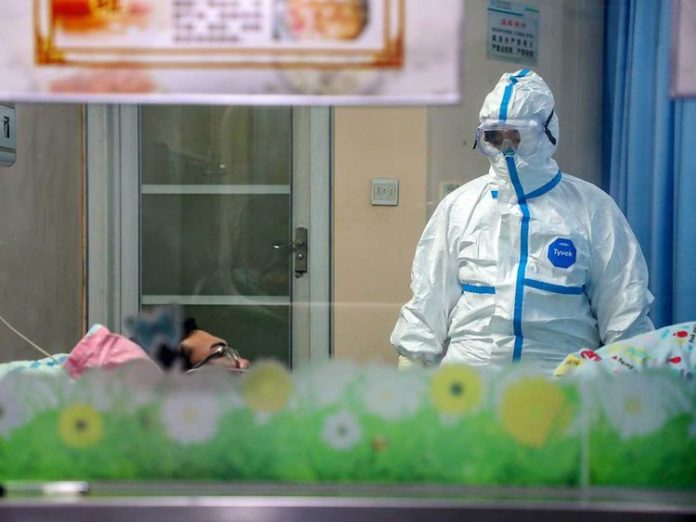
Steroids found to save lives of critical COVID patients; WHO strongly recommends

New Delhi (NVI): Treating critically ill COVID-19 patients with steroids reduces the risk of death by 20 per cent, according to an analysis of seven international trials, prompting the World Health Organisation (WHO) to update its advice on treatment.

The analysis – which pooled data from separate trials of low dose hydrocortisone, dexamethasone and methylprednisolone – found that steroids improve survival rates of COVID-19 patients sick enough to be in intensive care in hospital.

The WHO’s clinical care lead, Janet Diaz, said the agency had updated its advice to include a “strong recommendation” for use of steroids in patients with severe and critical COVID-19.

Such patients should receive 7-10 days of treatment, a WHO panel said, cautioning against the use of steroids in patients with nin-severe illness, saying that “indiscriminate use of any therapy for COVID-19would potentially rapidly deplete global resources and deprive the patients who may benefit from it most as potentially life-saving therapy.”

“The evidence shows that if you give corticosteroids …(there are) 87 fewer deaths per 1,000 patients,” she told a WHO social media live event. “Those are lives … saved.”

“Steroids are a cheap and readily available medication, and our analysis has confirmed that they are effective in reducing deaths amongst the people most severely affected by COVID-19,” Jonathan Sterne, a professor of medical statistics and epidemiology at Britain’s Bristol University who worked on the analysis, told the briefing.

The trials – conducted by researchers in Britain, Brazil, Canada, China, France, Spain, and the United States – gave a consistent message throughout, showing the drugs were beneficial in the sickest patients regardless of age or sex or how long patients had been ill.

The findings, published in the Journal of the American Medical Association, reinforce results that were hailed as a major breakthrough and announced in June, when dexamethasone became the first drug shown to be able to reduce death rates among severely sick COVID-19 patients.

Dexamethasone has been in widespread use in intensive care wards treating COVID-19 patients in some countries since then.

-CHK

State-wise details of Covid-19 cases in India

File photo

New Delhi (NVI): The total number of coronavirus cases in India has reached 38,53,407, after 83,883 new cases were reported in the past 24 hours, biggest single-day surge, according to Union Health Ministry data.

The country’s death toll has gone up to 67,376 after 1,043 new fatalities were reported in the country during this period.

In worst-hit Maharashtra, the COVID-19 cases climbed to 8,25,739, followed by Tamil Nadu with 4,39,959 cases, and Andhra Pradesh with 4,55,531 cases.

Total positive cases in States/UTs:

Andaman and Nicobar Islands- 3,186

Andhra Pradesh- 4,55,531

Arunachal Pradesh- 4,360

Assam- 1,15,279

Bihar- 1,41,441

Chandigarh- 4,789

Chhattisgarh- 35,683

Dadra Nagar Haveli & Diu – 2,435

Delhi- 1,79,569

Gujarat- 98,888

Goa- 18,642

Haryana– 68,218

Himachal Pradesh- 6,416

Jammu and Kashmir- 38,864

Jharkhand- 44,862

Karnataka- 3,61,341

Kerala- 78,072

Ladakh- 2,785

Madhya Pradesh- 66,914

Maharashtra- 8,25,739

Manipur- 6,507

Meghalaya- 2,517

Mizoram- 1,020

Nagaland- 4,017

Odisha- 1,09,780

Puducherry- 15,157

Punjab- 56,989

Rajasthan- 84,674

Sikkim- 1,704

Tamil Nadu- 4,39,959

Telangana- 1,33,406

Tripura- 13,292

Uttarakhand- 21,234

Uttar Pradesh- 2,41,439

West Bengal – 1,68,697

State/UT wise total death toll:

Andaman and Nicobar Islands- 47

Andhra Pradesh- 4,125

Arunachal Pradesh- 7

Assam- 323

Bihar- 646

Chandigarh- 59

Chhattisgarh- 299

Dadra and Nagar Haveli- 2

Delhi- 4,481

Goa- 204

Gujarat- 3,046

Haryana- 721

Himachal Pradesh- 43

Jammu and Kashmir- 732

Jharkhand- 438

Karnataka- 5,950

Kerala- 305

Ladakh- 35

Madhya Pradesh- 1,453

Maharashtra- 25,195

Manipur- 29

Meghalaya- 13

Nagaland- 9

Odisha- 514

Puducherry- 253

Punjab- 1,618

Rajasthan- 1,081

Sikkim- 4

Tamil Nadu- 7,516

Telangana- 856

Tripura- 126

Uttar Pradesh- 3,616

Uttarakhand- 291

West Bengal- 3,339

However, a total of 29,70,492 people have been cured or discharged. Total active cases stand at 8,15,538.

-CHK

India hands over ventilators, PPEs to Guyana as part of USD 1 million aid amid COVID-19

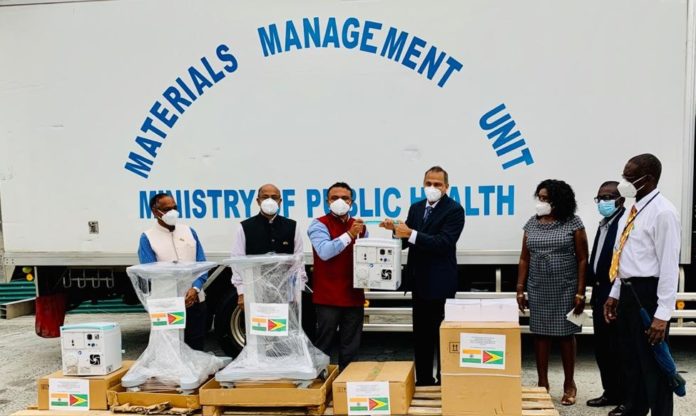
New Delhi (NVI): Under the USD 1 million aid that India has extended for Guyana, 29 ventilators, personal protection equipment (PPE), 3,000 Hydroxichloroquine tablets and other protective equipment were handed over to Health Minister of Guyana.

“HC @drkjsrini handed over 29 Ventilators, PPEs, 30000 Hydroxichloroquine tablets & other protective equipment to Guyana Hon. Min of Health @fcsanthony1, procured under India’s USD 1 million aid,” tweeted the Indian High Commission in Guyana.

Indian High Commissioner KJ Srinivasa handed over the medical supplies and medicine to Minister of Health, Guyana Dr Frank Anthony.

The USD 1 million aid and life-saving medical supplies were allocated to Guyana to combat the COVID-19 outbreak and aims at improving health infrastructure and capacities in the country.

The government of India provided these aid to Guyana as a gesture of goodwill in support of its fight against COVID-19.

Earlier in August, Frank Anthony expressed keen interest to continue the bilateral collaboration with India in the medical and healthcare sector and also sought Indian collaboration in upgrading three Regional Hospitals in West Demerara, Suddie and Bartica at a cost of USD 17.5 million.

Guyana also indicated interest in procuring a potential COVID-19 vaccine from India. High Commissioner Srinivasa offered the assistance and collaboration of India in all possible sectors.

-RJV/CHK

In a first, India among top 50 nations in Global Innovation Index

File photo

New Delhi (NVI): Marking a major advancement amid the coronavirus pandemic, India has now joined the list of top 50 countries in the Global Innovation Index for the very first time, ranked 48th, maintaining the top position among central and south Asian countries.

India has moved up four places in the Global Innovation Index (GII) 2020 report which was released on Wednesday.

Compiled by the World Intellectual Property Organisation (WIPO), Cornell University and INSEAD business school, the index assessed 131 economies.

According to the Global Innovation Index (GII) list, 2020, the rankings show stability at the top but a gradual “eastward shift in the locus of innovation” as Asian economies like China, India, the Philippines and Vietnam have advanced considerably in the innovation ranking over the years.

Switzerland, Sweden, the US, the UK and the Netherlands lead the innovation ranking, and the top 10 positions are dominated by high-income countries, WIPO said in a statement.

South Korea joined the top 10 for the first time while Singapore is at number 8. The top 10 is dominated by high-income countries.

India retained the highest rank in the Central and Southern Asian region, followed by Iran, said the report.

Moving up four positions since last year, India became the third most innovative lower-middle-income economy in the world.

It ranks in the top 15 in indicators such as ICT services exports, government online services, graduates in science and engineering, and R&D-intensive global companies, said the report.

Thanks to universities such as the Indian Institute of Technology in Bombay and Delhi and the Indian Institute of Science in Bengaluru, and its top scientific publications, India is the lower-middle-income economy with the highest innovation quality, added the report.

The metrics include institutions, human capital and research, infrastructure, market sophistication and business sophistication, knowledge and technology outputs and creative outputs.

-CHK

Indian Army initiates Tamul plate manufacturing to support ex-insurgents in Assam

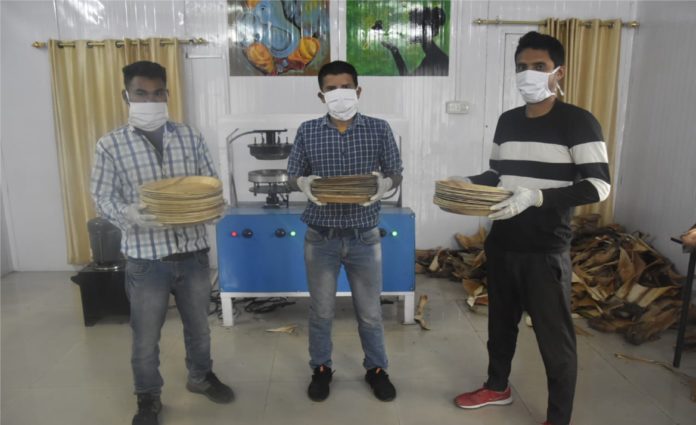
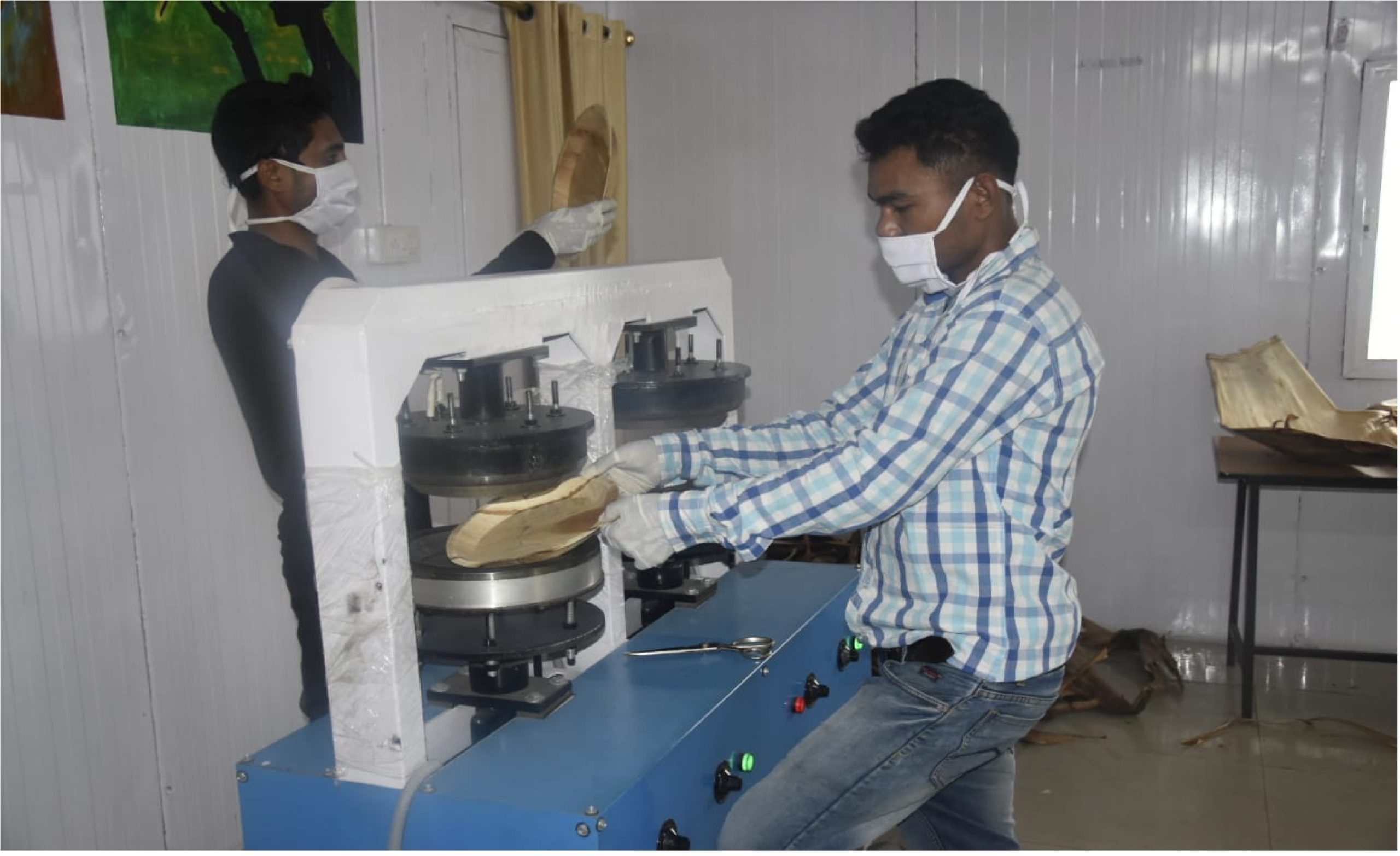
New Delhi (NVI): Indian Army in its renewed and re-energised focus to rehabilitate ex-insurgents, has taken up a self-employment project ‘Manufacture of Tamul Plates’ operationalised at Borrangajuli Village in Tamulpur district in Assam.

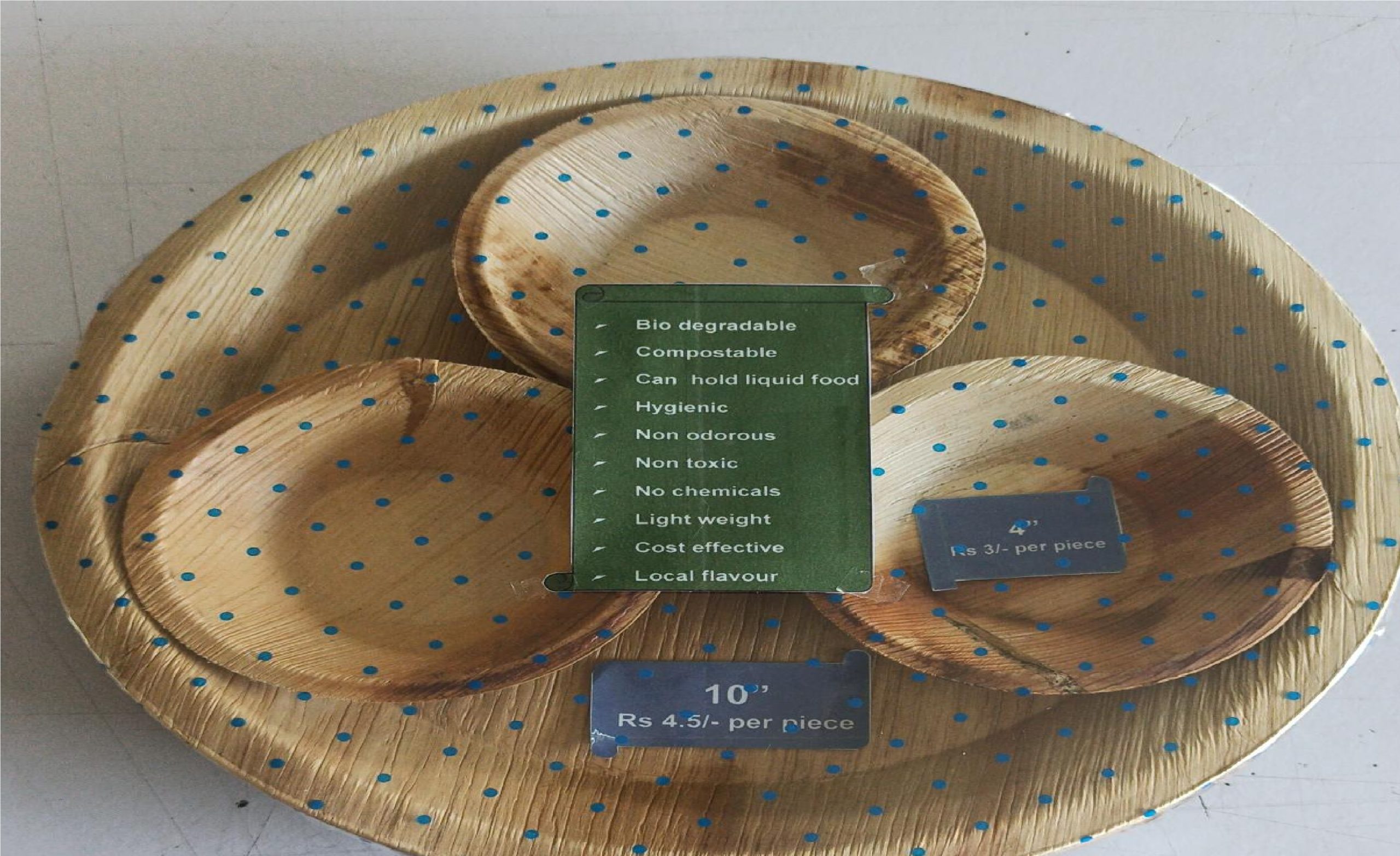
As a pilot project, few ex-cadres are being engaged in making bio-degradable, environment friendly, cost effective Tamul plates which can be used in catering services to serve meals in offices and institutes for large gatherings.

This project is aimed at improving economic conditions and providing an opportunity to earn through self-employment, and is currently providing employment to ex-insurgents.

Furthermore, the manufacturing project is expected to expand in scale and scope. In this regard, additional machines are being purchased to augment existing capacities.

The project is conceived and executed by Indian Army in coordination with Aseem Foundation, a Pune based NGO.

Aseem Foundation is planning to market the product in Maharashtra and Assam, thereby generating more sales and resultant earning improving financial conditions of employees.

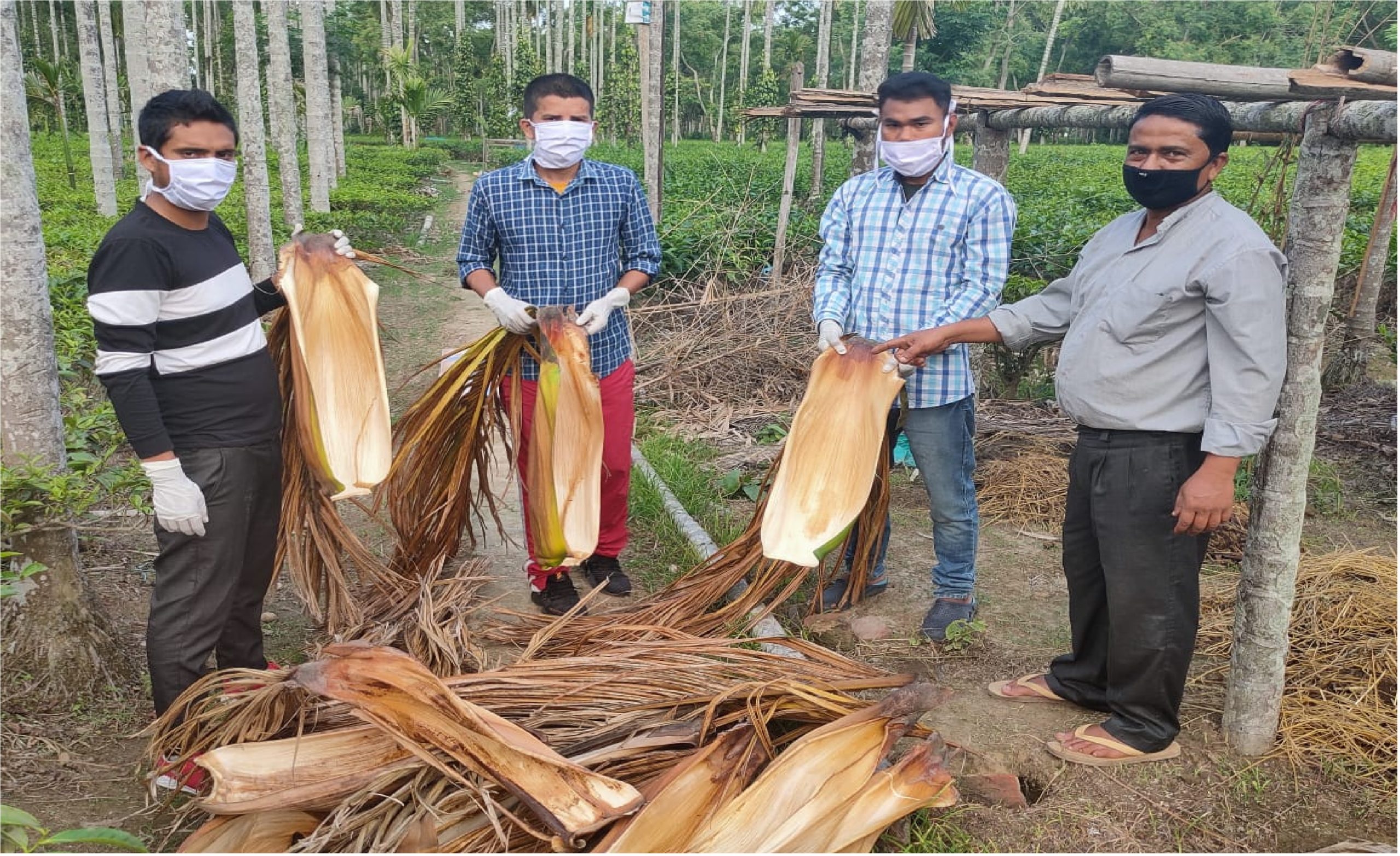
The raw material for the plate manufacturing is collected from farms located at remote villages and the finished product is supplied to establishments and institutions as far forward as possible.

The success of the pilot project can be gauged from the response of the locals who have requested to replicate the project in many more areas. The ex-insurgent families are happy since it would offer them an opportunity for dignified earning.

In addition to this, the villagers are also excited since the Tamul leaves and barks which were earlier being thrown as waste are being commercially sold. The local youth are being engaged for collection and stocking of raw material.

The success of this project will stimulate mushrooming of more such ventures leading to Engagement – Empowerment – Employment of the youth of Assam.  This project will further facilitate constructive mainstreaming of more ex-cadres and contribute towards Surakshito, Vikashito, Sarbashrestha AXOM.

-CHK

MUST READ