Wednesday, April 22, 2026
Home Blog Page 1218

Need to prioritise Early Childhood Development in Covid-19 response: UNICEF

(Pic credit: @UNICEFBotswana)

New Delhi (NVI): There is an urgent need to prioritise investments in Early Childhood Development (ECD) including focus on parenting within the COVID-19 response, the UNICEF said today while warning that young children face disproportionate risk and irreparable loss amid the pandemic.

The UN body reiterated the urgent need to prioritise ECD as the world celebrates the Global Day of Parents (1 June). “This is critical to minimise preventable child deaths, to prevent violence against children, and to drive economic recovery and productivity in the longer term,” UNICEF said in a statement.

The international body said that in times of shock, services to support young children are often not prioritized and end up being overlooked, leading to young children being disproportionately affected. “Already scarce resources will likely be diverted to the pandemic response. Along with governments, families and communities also need to understand their role and importance of building a nurturing and protective environment for children,” it said.

A UNICEF led formative study ‘Parenting Matters: Examining Parenting Approaches and Practices, to assess knowledge, attitudes and practices of parents, families and service provider on parenting (2019), the key findings of which were released today, suggested that there is an urgent need to take action against the kind and amount of violence children were facing.

Among the key findings, at least 30 different forms of physical and verbal abuse are reported as part of disciplining efforts. Punishment is a widely accepted method to discipline children for both boys and girls in families, schools and at the community level for both girls and boys.

Girls and boys are raised very differently from a very early age – with the burden of household chores, day to day restrictions, being imposed more on girls by fathers. Mothers are the main caregivers for children while fathers are much less involved.

While male caregivers took children outdoors, mothers are more involved in enabling indoor stimulation through storytelling and singing, among others, the study finds.

Apart from this, the research outlines the various forms of violence against children resorted to in the household – physical violence (burning; pinching; slapping; beating with implements like stick, belts, rods) Verbal abuse (blaming; criticizing; shouting; use of foul language); Witnessing physical violence (towards one parent; towards siblings; outside the family) and Emotional abuse (restricting movement; denying food; discrimination; instilling fear).

Dr Yasmin Ali Haque, UNICEF Representative in India said, “Our experience in Ebola crisis shows us that young children are more likely to experience violence, abuse and neglect as families struggle to cope, that could have a lifelong impact on them. Awareness on positive parenting practices are relevant now more than ever to promote both mental and physical well-being of children. Supporting parents and caregivers to provide young children with nurturing care in times of crisis is essential.”

CHILDLINE 1098, which has been declared an emergency service by the Minister of Women and Child Development, has indicated that during two weeks of the lockdown in April, the number of calls of children in distress had increased by 50 per cent.

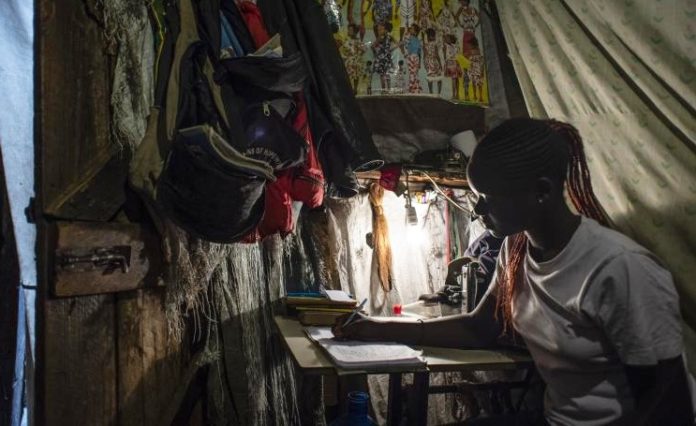
UNICEF says that restrictions in movement and closure of preschools and schools due to lockdown has put immediate pressure on parents for their children’s survival, care and learning. This added stress can lead to potential violence against children.

“When a child experiences physical or emotional abuse, neglect, exposure to violence, or burdens of economic hardship, without adult support, this triggers their stress response. Prolonged stress can have a lasting impact on an individual’s physical and mental health—for a lifetime,” UNICEF said.

Research indicates that supportive, responsive relationships with caring adults as early in life as possible can prevent or reverse the damaging effects of toxic stress response. Therefore, parents need practical ideas on positive parenting, as well as dealing with stress and mental health issues.

Under COVID-19, there is an immediate need to designate child protection services as essential services, UNICEF recommends. The response must include provision of critical health and social welfare and child protection services, including mental health and psychosocial support, and alternative care arrangements. These services should be available to all, including children as migrants, those without parents, to ensure the protection for the most vulnerable children.

Communicating with and engaging parents, caregivers and children with evidence-based information and advice is essential. The study recommends building skills of frontline workers to better engage with caregivers. It also highlights the need for quality engagement of fathers in caregiving to support their child’s development.

In India, states like Maharashtra, Odisha, Chhattisgarh, Assam, Rajasthan and Uttar Pradesh are forerunners in implementing innovative parenting programmes, that other states can adopt. With UNICEF support, parents, especially fathers, are being provided the information and skills to use material easily available in and around their homes.

This has led to better and more parental engagement through storytelling, singing and playing with the child – all critical for a child’s brain development. This is being done through training of Anganwadi and ASHA workers, so they can use their existing platforms effectively for parent engagement such as through monthly parent meetings and home visits. States are also organizing community events to involve all parents and caregivers around the importance of Eat, Play and Love, such as Palak (caregiver) Mela, in Maharashtra.

Apart from that, UNICEF, together with partners, is also releasing several tools, resources, tips for parents to effectively engage with children on its website. In 2019, UNICEF reached with several community-based partners 1.2 million parents and caregivers with parenting programmes.

Coronavirus cases in Bangladesh surge past 52,000

(Image source: United News of Bangladesh)

New Delhi (NVI): Bangladesh saw the biggest jump in coronavirus cases in a day with the detection of record 2,911 new cases in the last 24 hours, taking the total number of confirmed cases to 52,445.

The country also recorded a total of 37 death due to the novel coronavirus during this period, raising the death tally to 709, according to United News of Bangladesh.

So far, a total of 11,120 people have recovered from the deadly contagion, after 523 more patients made recovery.

Against the total number of detected cases, the recovery rate is 21 percent and the mortality rate is 1.35 percent in country.

In addition to this, a Rohingya man has died from coronavirus while undergoing treatment at the isolation centre at Ukhiya camp in Cox’s Bazar yesterday night.

Afghanistan COVID tally crosses 16,500; death toll 270

New Delhi (NVI): Afghanistan witnessed a rise in coronavirus cases with 759 new cases, taking the overall tally to 16,509 across the country, according to Afghan media reports

In the past 24 hours, five patients have died due to COVID-19 virus in the country.

Among the fresh cases, 266 were reported in Kabul, the country’s hardest-hit area.

In addition, 212 positive cases were reported in Herat, 66 in Paktia, 39 in Balkh, 34 in Nangarhar, 27 in Baghlan, 21 in Bamiyan, 25 in Khost, 18 in Faryab, 17 in Takhar, 18 in Ghazni.

Likewise, four cases in Parwan, two in Samangan, seven in Kapisa a three in Badakhshan.

The Ministry of Public Health said 1,450 people have recovered while 270 died from the respiratory disease in Afghanistan.

So far, 35,921 people have been tested for Covid-19 in the country, as per media reports.

Meanwhile, the Afghan officials urged people to wear face masks in crowded places, practice social distancing and maintain personnel hygiene.

Pakistan COVID-19 tally tops 77,000; death toll at 1,644

New Delhi (NVI): Pakistan is witnessing a sharp surge in the number of positive coronavirus cases as nearly 3,500 new cases were reported in the last 24 hours, taking the overall tally to 77,837 with at least 1,644 fatalities recorded so far.

Looking at the breakdown of cases, Sindh province has reported 31,086 coronavirus cases, highest among all the provinces, while Punjab has 27,850 positive cases.

On the other hand, Khyber-Pakhtunkhwa has recorded 10,027 cases, Balochistan is at 4,514, Gilgit-Baltistan at 738, Islamabad at 2,893 and Pakistan-occupied Kashmir is at 271 cases so far, according to Geo News.

The country’s Health Ministry stated that 26,083 patients have been recovered so far from the virus.

Meanwhile, the Balochistan government has extended the lockdown in the province till June 16, according to a notification issued by the Home Department.

Growth will be back: PM assures India Inc at CII Annual Session

New Delhi (NVI): Prime Minister Narendra Modi today urged the industry leaders to take an oath to make India self-reliant while sharing his vision on ‘Getting Growth Back’ at the annual session of Confederation of Indian Industry’s (CII).

Addressing India Inc through a video conference on the 125th anniversary of CII, PM Modi said that the economic growth will soon be on track as the government continues to pursue multiple reforms.

As the country enters the fifth phase of the nationwide lockdown, he said that with ‘Unlock-1’, India has already begun getting its growth back.

“On the one hand, we have to take strict steps to fight this virus and save the lives of the countrymen and on the other hand we have to stabilise the economy and speed it up,” PM said.

He said that his trust in India’s Capabilities and Crisis Management, in India’s Talent and Technology, in its Innovation and Intellect of India, in the Farmers of India, MSME’s, Entrepreneurs makes him confident about getting the growth back.

“One of our highest priorities is to strengthen the economy against corona. The Government is taking decisions that are important at this time and they will help the country in the long run as well,” he added.

The PM also listed the steps taken by the Government in helping people during this crisis situation. “Pradhan Mantri Garib Kalyan Yojana has helped a lot in providing immediate benefits to the poor. Ration has been delivered to about 74 crore Beneficiaries under this scheme. Free ration is also being provided to migrant workers,” he said.

“During the lockdown, the government has delivered more than 8 crore gas cylinders to the poor – that too free. 50 lakh private employees have got the Government contribution of 24% of EPF amount in their bank accounts, which amounts to Rs.800 Crore,” PM added.

The PM further stated that Intent, Inclusion, Investment, Infrastructure and Innovation are crucial for India to revert back to a high-growth trajectory.

“For us, reforms are not any random or scattered decisions. For us reforms are systemic, planned, integrated, inter-connected and futuristic process,” the prime minister said.

Apart from that, PM listed out the initiatives of the Government to make an encouraging ecosystem for private enterprises like Insolvency and Bankruptcy Code (IBC), Bank merger, GST and Faceless IT assessment.

Talking about several policy reforms done by his government. He said that after amendment in Agricultural Produce Market Committee (APMC) Act, now farmers have the right to sell to anyone, in any state of the country.

The PM said that labour reforms are being done to increase employment opportunities, keeping the welfare of our workers in mind. Non-strategic sectors in which the private sectors were not allowed, have also been opened. Commercial mining is now allowed in the coal sector, he added.

Micro, Small and Medium Enterprises (MSME) sector is like an economic engine of our country and contributes around 30% of the GDP, he said, adding that a long time demand of the industry to update the definition of MSMEs has been fulfilled.

“This will enable MSMEs to grow without any worries and they will not have to follow other paths to maintain the status of MSMEs. Global tenders have been scrapped in government procurement of up to Rs 200 crores to benefit crores of associates working in MSMEs of the country,” he said.

Apart from that, PM said India has helped more than 150 countries with medical supplies amid the Covid pandemic. He said the world is looking for a trusted, reliable partner. “In India, there is a potential, strength and ability,” he said while urging the industry to take “full advantage of the trust that has developed towards India”.

The Prime Minister further stressed the need to invest for the creation of a Robust Local Supply Chain that strengthens India’s stake in the Global Supply Chain. He gave a call for big institutions like CII to come forward in a new role post-Corona to make India self reliant. He stressed for the need to have products made in the country, made for the world. He urged the industry to set targets to increase productivity in all sectors. He also lauded the industry for having created Personal Protective Equipments – PPEs industry worth hundreds of crores within 3 months.

The PM also urged the industry to take full advantage of opening up investment and partnership with farmers in the rural economy.

288 new COVID-19 cases reported in Nepal, tally at 2,099

Representational image

New Delhi (NVI): Nepal registered 288 new cases of coronavirus, the highest single day spike, taking the national tally to 2,099, according to local media reports.

The country’s Ministry of Health and Population said the country’s COVID-19 tally has raced past 2,000 to 2,099, fast approaching 2,100 cases.

Among the newly infected, 270 are males while 18 are females, the ministry said.

At present, 61 of the 77 districts and all the Provinces have witnessed the transmission of COVID-19 virus.

As many as 168 cases have been detected in nine districts of Province 1; 816 cases have been seen in eight districts of Province 2; and 54 cases in 12 districts of Bagmati Province.

Likewise, 37 cases have been reported in seven districts of Gandaki Province; 699 cases in 11 districts of Province 5; 252 cases in five districts of Karnali Province; and 73 cases in nine districts of Sudurpaschim Province.

With this, 1,949 males and 150 females have been infected with the virus across the country.

So far, eight people have died of coronavirus in Nepal and 266 people have been cured form the virus and discharged.

France committed to timely delivery of Rafale jets despite Covid-19: Rajnath

New Delhi (NVI): Union Defence Minister Rajnath Singh today said that France is committed to ensure timely delivery of Rafale aircraft despite the challenges posed by the Covid-19 pandemic.

The Defence Minister’s statement came after his telephonic conversation with French Minister of Armed Forces, Florence Parly today.

The two leaders discussed matters of mutual concern including COVID-19 situation, regional security and agreed to strengthen the Bilateral Defence Cooperation between India and France, the Ministry of Defence said in a statement.

Rajnath Singh also tweeted in this regard: “We also appreciated the efforts made by Armed Forces of India and France in fighting the COVID-19 pandemic. France has affirmed its commitment to ensure timely delivery of Rafale Aircraft despite the challenges posed by the COVID-19 pandemic.”

Apart from this, Singh welcomed French Chairmanship of Indian Ocean Naval Symposium (IONS) from 2020 to 2022, the MoD said. The two Ministers agreed to work together to fulfil the India-France Joint Strategic Vision on the Indian Ocean Region of 2018.

India was expected to get four Rafale fighter jets by May 2020, but it was delayed due to the COVID-19 pandemic and now the hand over is expected by the end of July.

In September 2016, India had signed an inter-governmental agreement with France for the procurement of 36 Rafale fighter jets at a cost of around Rs 58,000 crore.

J&K reports 2 new Covid deaths, toll reaches 33

Abid Bashir

Srinagar (NVI): An elderly woman and a 27-year-old man tested Covid-19 positive today, a day after their death in two separate hospitals of Kashmir, health officials said.

With the two deaths, the number of Covid-19 fatalities in the UT has reached 33, of which 29 were from Kashmir and four in Jammu.

The elderly woman from north Kashmir’s Baramulla district and the young man from Lolab area of Kupwara district had breathed their last at Government Medical College (GMC), Baramulla, and SMHS hospital, Srinagar respectively.

“The swab samples of the deceased were taken immediately after their deaths. Both the deceased tested positive for the deadly virus today,” a doctor said.

Principal, Government Medical College (GMC), Baramulla, Dr. Abdul Hamid said that an elderly woman aged around 80, a resident of north Kashmir’s Baramulla was brought dead to GMC yesterday.

“The swab sample of the deceased woman was taken. The sample came positive today,” he said, adding that her body was kept in the mortuary of the hospital. “The elderly woman was having many underlying problems as well.”

Her body, Dr Hamid said, is being handed over to family as per Covid protocols.

Medical Superintendent, SMHS hospital Srinagar, Dr Nazir Choudhary said that the man from Warnav Lalob in Kupwara district of north Kashmir, who died at the hospital yesterday, was tested positive today.

He said that patient was suffering from fever and his swab samples were taken after his death. “The body was kept in GMC Srinagar mortuary and the sample taken from him was tested positive on Tuesday,” he said.

With the fresh deaths, the death toll due to COVID-19 has mounted to 33 in Jammu and Kashmir- 29 from Kashmir and 4 from Jammu.

Cyclone Nisarga: Mumbai on high alert, landfall likely in next 24 hours

Cyclone
Representational image

New Delhi (NVI): A week after cyclone Amphan wreaked havoc in West Bengal and Odisha, India is now bracing for another cyclone that is headed towards the coastline of Maharashtra and Gujarat.

Cyclone ‘Nisarga’ currently lies as a depression 490 km from Mumbai, 280 km from Goa’s capital city and 710 km from Surat district in Gujarat, according to Indian Meteorological Department (IMD).

Nisarga, a tropical storm, which is headed towards the coasts in Maharashtra and Gujarat, is likely to intensify into a cyclone in the next 12 hours and is expected to make landfall close to Mumbai tomorrow, the weather department said.

According to IMD, the storm may further intensify into a “severe cyclonic storm” in the next 24 hours. Mumbai and its neighbouring districts in Maharashtra have been placed on high alert.

Prime Minister Narendra Modi also tweeted and said that he took stock of the situation in the wake of cyclone conditions in parts of India’s western coast. He has urged people to “take all possible precautions and safety measures.”

Notably, this is the first cyclonic storm to hit Mumbai in over a century. The financial capital also braces for heavy rains and gale as the storm inches closer.

“The storm is very likely to intensify into a Cyclonic Storm during the next 12 hours and further into a Severe Cyclonic Storm during the subsequent 12 hours,” IMD said.

Nisarga is very likely to move nearly northwards during the next 6 hours and recurve north-northeastwards thereafter and cross north Maharashtra and adjoining south Gujarat coast between Harihareshwar and Daman on June 3.

31 teams of the National Disaster Response Force (NDRF) have been deployed in both the states.

According to the weather reports, a storm surge – as high as two meters above the astronomical tide – will inundate the low-lying coastal areas of Mumbai, Thane and Raigad districts during the landfall.

Coronavirus may be a vascular disease, affecting blood vessels

Representational Image

New Delhi (NVI): Coronavirus has majorly appeared as a respiratory virus, primarily affecting the periphery of lungs, and any theory of it infecting the blood vessels and circulating through the body is virtually unheard of.

However, in April, when the deadly pandemic was at its peak in most of the countries in the world, blood clots emerged as one of the many mysterious symptoms attributed to Covid-19. The disease had initially been thought to largely affect the lungs in the form of pneumonia.

Next followed the reports of young people dying due to coronavirus-related strokes, and then it was ‘Covid toes’- red, sore and sometimes itchy swellings on toes.

What all of these symptoms had in common was an impairment of blood circulation in the body. According to a report, 40 per cent of Covid deaths are related to cardiovascular complications.

“All these Covid-associated complications were a mystery. We see blood clotting, we see kidney damage, we see inflammation of the heart, we see stroke, we see encephalitis (swelling of the brain),” William Li, MD, president of the Angiogenesis Foundation was quoted as saying by Elemental.

“A whole myriad of seemingly unconnected phenomena that you do not normally see with SARS or H1N1 or, frankly, most infectious diseases,” he told the publication.

Mandeep Mehra, MD, medical director of the Brigham and Women’s Hospital Heart and Vascular Center says, “If you start to put all of the data together that’s emerging, it turns out that this virus is probably a vasculotropic virus, meaning that it affects the blood vessels.”

Mehra and a team of scientists discovered that the SARS-CoV-2 virus can infect the endothelial cells that line the inside of blood vessels. The findings were published in a paper in April in the scientific journal The Lancet.

The function of endothelial cells is to protect the cardiovascular system and release proteins that influence everything from blood clotting to the immune response. In the paper, the scientists showed damage to endothelial cells in the lungs, heart, kidneys, liver, and intestines in people with Covid-19.

According to Mehra, a growing body of evidence suggests that Covid-19 is not a respiratory illness alone. “This is a respiratory illness to start with, but it is actually a vascular illness that kills people through its involvement of the vasculature,” he told Elemental.

As per the latest research, severe acute respiratory syndrome coronavirus 2 (SARS-CoV-2) enters the body through ACE2 receptors present on the surface of cells that line the respiratory tract in the nose and throat. Once in the lungs, the virus appears to move from the alveoli, the air sacs in the lung, into the blood vessels, which are also rich in ACE2 receptors.

Further explaining, Mehra says, “The virus enters the lung, it destroys the lung tissue, and people start coughing. The destruction of the lung tissue breaks open some blood vessels.”

“Then it starts to infect endothelial cell after endothelial cell, creates a local immune response, and inflames the endothelium,” he says.

On the other hand, influenza viruses like H1N1 are not known to do this, and the original SARS virus, a sister coronavirus to the current infection, did not spread past the lung. Other types of viruses, such as Ebola or Dengue, can damage endothelial cells, but they are very different from viruses that typically infect the lungs.

MUST READ