Saturday, April 4, 2026
Home Blog Page 1319

COVID-19: UT and state-wise list of helpline numbers

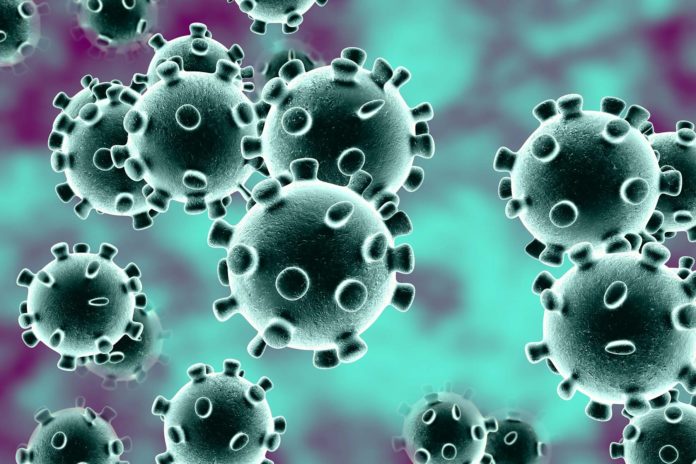
Representational image

New Delhi (NVI): The Central government has put up a list of helpline numbers of all the states and Union Territories for the people to sort assistance and help related to novel coronavirus pandemic.

The total number of coronavirus cases in India has crossed 1,000. Till now the deadly virus has killed 29 people, according to the data provided by the Union Health Ministry.

There is a specific number for every state and Union Territory, where a person can directly reach out to the authorities for help.

There is also a central helpline number which is  +91-11-23978046 for queries related to coronavirus.

Here is a list of state and Union Territory-wise public helpline numbers for COVID-19.

1.Andhra Pradesh- 0866-2410978
2.Arunachal Pradesh -9436055743
3 Assam -6913347770
4 Bihar -104
5 Chhattisgarh-Bihar 104
5 Chhattisgarh -104
6 Goa -104
7 Gujarat -104
8 Haryana -8558893911
9 Himachal Pradesh- 104
10 Jharkhand -104
11 Karnataka- 104
12 Kerala -0471-2552056
13 Madhya Pradesh -0755-2527177
14 Maharashtra -020-26127394
15 Manipur -38524116615
16 Meghalaya -108
17 Mizoram -102
18 Nagaland -7005539653
19 Odisha -9439994859
20 Punjab -104
21 Rajasthan -0141-2225624
22 Sikkim -104
23 Tamil Nadu -044-29510500
24 Telangana -104
25 Tripura -0381-2315879
26 Uttarakhand- 104
27 Uttar Pradesh -18001805145
28 West Bengal -1800313444222, 03323412600,

Name of Union Territory (UT) and their Helpline Nos.

1 Andaman and Nicobar islands- 03192-232102
2 Chandigarh – 9779558282
3 Dadra and Nagar Haveli and Daman & Diu – 104
4 Delhi – 011-22307145
5 Jammu & Kashmir – 01912520982, 0194-2440283
6 Ladakh – 01982256462
7 Lakshadweep – 104
8 Puducherry – 104

Some COVID-19 myths busted, questions answered

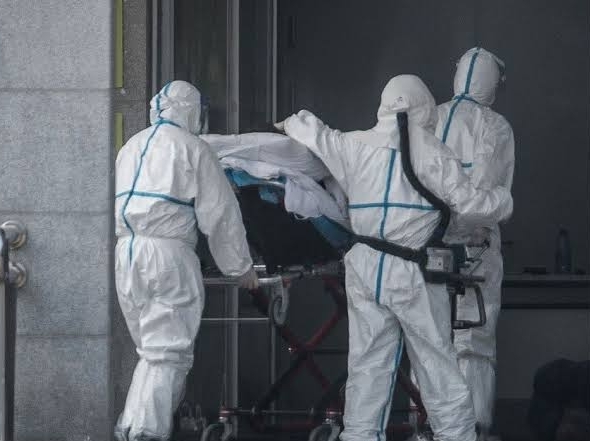
Representative image

New Delhi (NVI): Ever since the coronavirus pandemic has spread far and wide across the world, several myths and beliefs in connection with the contagion have been making rounds on social media.

To put an end to this, World Health Organization (WHO) has released a list of myth busters, and Q&A to clear the air building around the spread and treatment of COVID-19.

Following are a few myths and facts:

Myth: COVID-19 virus cannot be transmitted in areas with hot and humid climates

FACT: From the evidence so far, the COVID-19 virus can be transmitted in all areas, including areas with hot and humid weather. Regardless of climate, adopt protective measures if you live in, or travel to an area reporting COVID-19. The best way to protect yourself against COVID-19 is by frequently cleaning your hands. By doing this you eliminate viruses that may be on your hands and avoid infection that could occur by then touching your eyes, mouth, and nose.

Myth: Cold weather and snow can kill the new coronavirus

FACT: There is no reason to believe that cold weather can kill new coronavirus or other diseases. The normal human body temperature remains around 36.5°C to 37°C, regardless of the external temperature or weather. The most effective way to protect yourself against the new coronavirus is by frequently cleaning your hands with alcohol-based hand rub or washing them with soap and water.

Myth: Spraying alcohol or chlorine all over your body can kill coronavirus

FACT: No. Spraying alcohol or chlorine all over your body will not kill viruses that have already entered your body. Spraying such substances can be harmful to clothes or mucous membranes (i.e. eyes, mouth). Be aware that both alcohol and chlorine can be useful to disinfect surfaces, but they need to be used under appropriate recommendations.

Apart from the myths, here are some questions answered with respect to COVID-19:

Q: Do vaccines against pneumonia protect you against the new coronavirus?

No. Vaccines against pneumonia, such as pneumococcal vaccine and Haemophilus influenza type B (Hib) vaccine, do not provide protection against the new coronavirus. The virus is so new and different that it needs its own vaccine. Researchers are trying to develop a vaccine against 2019-nCoV, and WHO is supporting their efforts.

Q: Can regularly rinsing your nose with saline help prevent infection with the new coronavirus?

No. There is no evidence that regularly rinsing the nose with saline has protected people from infection with the new coronavirus. There is some limited evidence that regularly rinsing nose with saline can help people recover more quickly from the common cold. However, regularly rinsing the nose has not been shown to prevent respiratory infections.

Q: Does the new coronavirus affect older people, or are younger people also susceptible?

People of all ages can be infected by the new coronavirus (2019-nCoV). Older people and people with pre-existing medical conditions (such as asthma, diabetes, heart disease) appear to be more vulnerable to becoming severely ill with the virus. WHO advises people of all ages to take steps to protect themselves from the virus, for example by following good hand hygiene and good respiratory hygiene.

Q: Are antibiotics effective in preventing and treating the new coronavirus?

No, antibiotics do not work against viruses, only bacteria. The new coronavirus (2019-nCoV) is a virus and, therefore, antibiotics should not be used as a means of prevention or treatment. However, if you are hospitalized for the 2019-nCoV, you may receive antibiotics because bacterial co-infection is possible.

Q: Can eating garlic help prevent infection with the new coronavirus?

Garlic is a healthy food that may have some antimicrobial properties. However, there is no evidence from the current outbreak that eating garlic has protected people from the new coronavirus.

Q: Can an ultraviolet disinfection lamp kill the new coronavirus?

UV lamps should not be used to sterilize hands or other areas of skin as UV radiation can cause skin irritation.

Globally, a total of 7,22,435 infected cases have been reported with 33,997 deaths and 1,51,991 people have totally recovered from the coronavirus, according to John Hopkins University data.

Q: How effective are thermal scanners in detecting people infected with the new coronavirus?

Thermal scanners are effective in detecting people who have developed a fever (i.e. have a higher than normal body temperature) because of infection with the new coronavirus. However, they cannot detect people who are infected but are not yet sick with fever. This is because it takes between 2 and 10 days before people who are infected become sick and develop a fever.

Kathmandu festivals unlikely to go ahead amid COVID-19

New Delhi (NVI): Nepal capital Kathmandu is unlikely to witness the traditional festivals which fall in spring season amid the coronavirus pandemic and strict restrictions by the government.

Festivals like Bhaktapur’s Bisket Jatra is celebrated in Kathmandu Valley during this time of the year, reports Nepali Times. Machhindranath and Patan festivals are also celebrated in Nepal capital during the spring season, besides Ram Nawami and Chaite Dasain which this year falls on Wednesday and Thursday.

However, the administration is most likely to mute or cancel the festivities amid the pandemic situation all over the world, which has made social distancing mandatory.

In April every year, the head priest in Kathmandu prepares for the Bisket Jatra which includes the construction of a three-story pagoda-style chariot, reports Nepali Times. Just like Jagannath Rath yatra in India, the chariot procession in Nepal is attended by thousands of people, who surround the diety in big numbers.

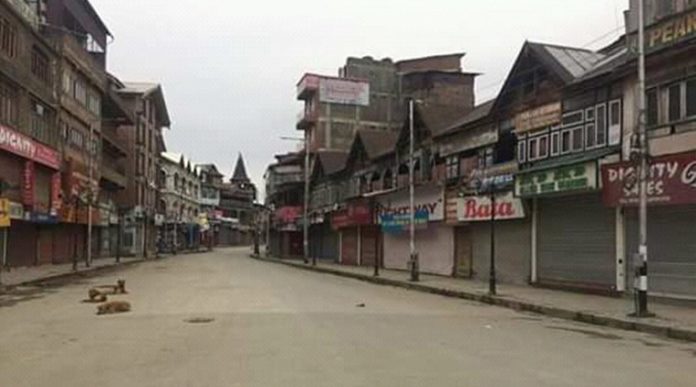
Due to the COVID-19 lockdown in various parts of the world including Nepal, it is all quiet in Kathmandu. In a high-level meeting yesterday, the Nepal Government also extended lockdown by a week. The lockdown which was imposed on March 24 and was to reach maturity on March 31, will be effective till April 7 now.

Meanwhile, over 12,00 tourists stranded in various parts in Nepal have been rescued. A total of 1,255 stranded tourists have been evacuated from 19 destinations across the country, according to the data compiled by the Nepal Tourism Board.

They were successful in bringing 158 people stranded in Lukla, including international and domestic tourists. Fifty-six of them were evacuated by Tara Air, 51 by Summit Air while the other 51 by Sita Air on Sunday, according to media reports.

Nepal Tourism Board has been successful in rescuing a total of 1,255 travelers within the country. NTB has given top priority in following the health and safety guidelines set by the government during all rescue operations.

While NTB carried out its rescue operation at Lukla, Pokhara, Taplejung, Jomsom, Muktinath, Langtang, Manaslu, Gorkha, Lete, Beshisahar, Kande, Sankhuwasahba, Jhapa, Beni and Jhinudanda. They estimated that about 10 thousand tourists were stranded in various parts of the country.

A total of 913 tourists have been flown back to their respective. The Chartered flights operated by France and Germany have already flown back its citizens from the Himalayan nation.

So far, five people have been infected from COVID-19 in Nepal, with no death case so far.

Burglars loot COVID19 patient’s house in Kashmir’s Bandipora

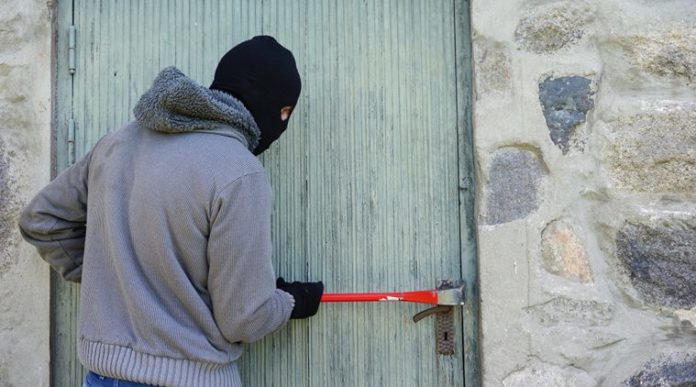
Representational Image

Mubashir Bukhari

Srinagar (NVI): In a shocking incident, burglars looted the house of a COVID-19 positive patient in Bandipora district of north Kashmir, even as the person is battling for life at a hospital. The burglars decamped with Rs 3 lakh cash and other valuables.

The incident has come to the light from the Hajin area of Bandipora district. “All the members of the family including the patient are under quarantine and concertina wire has been placed around the house to prevent the entry of people. These burglars have taken the advantage of the situation and looted the place,” officials said.

Meanwhile, police has registered an FIR (53/2020) under IPC sections of 457 (lurking house-trespass or house-breaking by night) and 380 (Theft in dwelling house) into the matter.

A team of police and forensic experts have reached the spot and investigation has been taken up.

While COVID-19 cases are piling up in the state with four more people testing positive today, this is the first burglary incident in Kashmir amid the alarming situation.

All banks ensuring branches open, ATMs working: FM

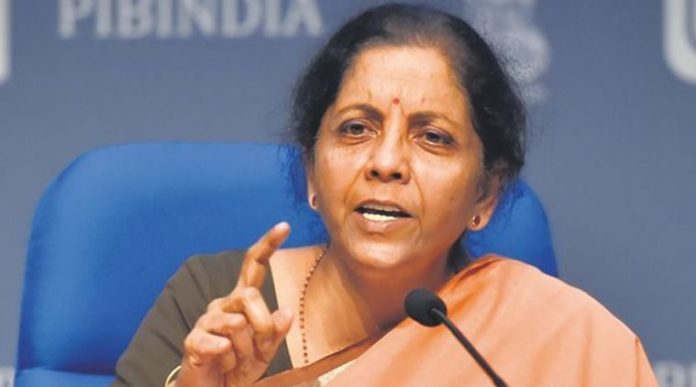
New Delhi (NVI): Union Finance Minister Nirmala Sitharaman today said that all banks are ensuring that their branches are open and ATMS filled up and working, to avoid any inconvenience to people amid the 21-day lockdown period.

All essential services have been exempted from the lockdown, including banking operations.

“All banks are ensuring that their branches are kept open, ATMs filled up & are working. Banking correspondents are active. Social distancing is respected & sanitizers are provided where necessary. Just in case, any assistance/clarification is required contact @DFSFightsCorona,” she said in a tweet.


While referring to cases where people are going to banks for under unavoidable circumstances, the Finance Minister said that social distancing is maintained and sanitisers provided where necessary.

Sitharaman, who held a meeting with heads of banks on Saturday, also asked people to contact the Department of Financial Services in case of any assistance or clarification.

She has also asked the banks to maintain adequate liquidity in their respective branches, ATMs and at banking correspondent level amid the pandemic situation in the country.

How to dispose of COVID-19 dead bodies: Here’s what WHO says

New Delhi (NVI): As coronavirus continues to claim lives across the globe, there is a lingering question about how to dispose of the bodies of infected people, amid various theories doing rounds.

According to the World Health Organisation (WHO), there is no evidence, till date, of persons having become infected from exposure to the bodies of persons who died from COVID-19.

However, it says the advisory is subject to revision as new evidence becomes available.

As of now, it has issued interim guidance for all those, including managers of health care facilities and mortuaries, religious and public health authorities, and families, who tend to the bodies of persons who have died of suspected or confirmed COVID-19.

The interim guidance report – ‘Infection Prevention and Control for the safe management of a dead body in the context of COVID-19’ — talks about standard operating procedures while dealing with a COVID-19 dead body and all precautions to be taken during cremation or burial of such bodies.

WHO says people, who have died from COVID-19, can be buried or cremated, while underlining that hasty disposal of a dead from COVID-19 should be avoided.

“The dignity of the dead, their cultural and religious traditions, and their families should be respected and protected throughout,” the global health body says.

“The safety and well-being of everyone who tends to bodies should be the first priority. Before attending to a body, people should ensure that the necessary hand hygiene and personal protective equipment (PPE) supplies are available,” says the report.

The hand hygiene involves the use of an alcohol-based hand rub, running water, soap and disposable towel for hand drying (paper or tissue).

Personal protective equipment would include:

*Gloves (single use, heavy duty gloves)

*Boots

*Waterproof plastic apron

*Long sleeve gowns

*Anti-fog goggles

*Face shield

*Medical mask

*N95 or similar level respirator (for aerosol-generating procedures only)

WHO has also elaborated on preparing and packing the body for transfer from a patient room to an autopsy unit, mortuary, crematorium, or burial site. The guidelines call for ensuring that personnel who interact with the body from health care or mortuary staff, or the burial team should apply standard precautions including hand hygiene before and after interaction with the body, and the environment.

Such persons should use appropriate PPE according to the level of interaction with the body, including a gown and gloves. “If there is a risk of splashes from the body fluids or secretions, personnel should use facial protection, including the use of face shield or goggles and medical mask,” it says. Other recommendations in this direction include:

* Prepare the body for transfer including removal of all lines, catheters and other tubes.

* Ensure that any body fluids leaking from orifices are contained

* Keep both the movement and handling of the body to a minimum

*Wrap body in cloth and transfer it as soon as possible to the mortuary area

–There is no need to disinfect the body before transfer to the mortuary area

– Body bags are not necessary, although they may be used for other reasons (e.g. excessive body fluid leakage)

*No special transport equipment or vehicle is required

The health body further recommends that if the family wishes only to view the body and not touch it, they may do so, using standard precautions at all times including hand hygiene. “Give the family clear instructions not to touch or kiss the body,” WHO advises persons involved in handling the dead body. Other recommendations include:

* Embalming is not recommended to avoid excessive manipulation of the body

* Adults over 60 years and immunosuppressed persons should not directly interact with the body.

With respect to the burial of COVID-19 dead bodies, WHO says advises to confirm national and local requirements that may dictate the handling and disposition of the remains. The recommendation has been made as handling and cremation of a dead body is a sensitive task and must be done in the knowldege of family or commmunity members, while keeping their cultural practices also in mind.

Besides this, the advisory also calls for following safety procedures during autopsy, including engineering and environmental controls. “Perform autopsies in an adequately ventilated room, i.e. at least natural ventilation with at least 160L/s/patient air flow or negative pressure rooms with at least 12 air changes per hour (ACH) and controlled direction of air flow when using mechanical ventilation. Only a minimum number of staff should be involved in the autopsy,” it says.

“Environmental surfaces, where the body was prepared, should first be cleaned with soap and water, or a commercially prepared detergent solution,” WHO says while recommending that the mortuary must be kept clean and properly ventilated at all times.

While WHO appeals for avoiding congregations and gatherings during death ceremonies, it suggests that family and friends may view the body after it has been prepared for burial, in accordance with customs.

“They should not touch or kiss the body and should wash their hands thoroughly with soap and water following the viewing; physical distancing measures should be strictly applied (at least 1 m between people),” it recommends.

However, the report says that the belongings of the deceased person do not need to be burned or otherwise disposed of.

“They should be handled with gloves and cleaned with a detergent followed by disinfection with a solution of at least 70% ethanol or 0.1% (1000 ppm) bleach,” it says adding that clothing and other fabric belonging to the deceased should be machine washed with warm water at 60−90°C (140−194°F) and laundry detergent.

“If machine washing is not possible, linens can be soaked in hot water and soap in a large drum using a stick to stir and being careful to avoid splashing. The drum should then be emptied, and the linens soaked in 0.05% chlorine for approximately 30 minutes. Finally, the laundry should be rinsed with clean water and the linens allowed to dry fully in sunlight,” it says.

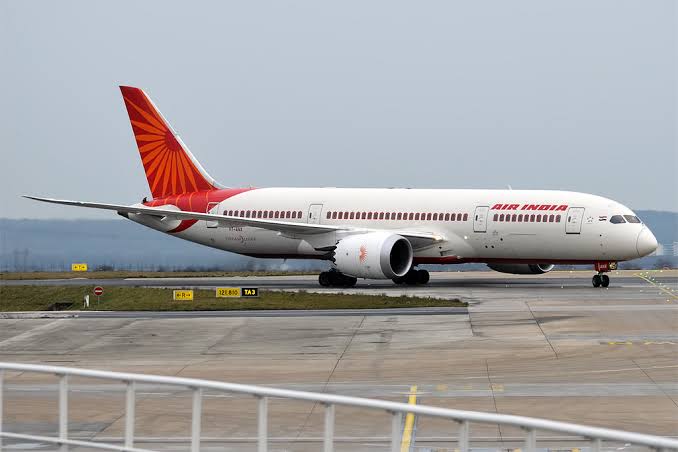
COVID-19: Air India, Alliance Air ferrying medical equipment supplies

New Delhi (NVI): The Central government today pressed Air India and its subsidiary Alliance Air into contributing cargo services to ferry medical equipment to different parts of the country, to fight against the spread of coronavirus.

The Ministry of Civil Aviation (MoCA) is coordinating with the state governments for supply of medical equipment and related essential items needed for protection against and testing of coronavirus.

“Based on requirements received from various states on urgent basis, the senior officials of the Ministry coordinate with supply agencies for providing required material which can be further transported to the desired destinations,” MoCA said in a statement.

Air India and Alliance Air flights are being operated to carry out the necessary supply operations across the country.

In order to cater to eastern and north eastern parts of the country, an Alliance Air flight from Delhi to Kolkata carried shipments for Kolkata, Guwahati, Dibrugarh and Agartala on March 29.

Whereas, in northern region, IAF flight from Delhi to Chandigarh to Leh carried ICMR VTM kits and other essential cargo.

“The information sharing, answering of queries and the work at ground is going on round the clock for delivering the supplies to the destinations in a timely manner so that the efforts to fight COVID-19 are multiplied and supplemented,” the statement said.

Currently, no domestic or international passenger flight are in operation.

However, cargo operations have been permitted to continue.

Kashmir’s first COVID-19 patient recovers, tests negative

Mubashir Bukhari

Srinagar (NVI): Kashmiri’s first positive COVID-19 patient, a woman, has recovered fully and has been tested negative for the virus today.

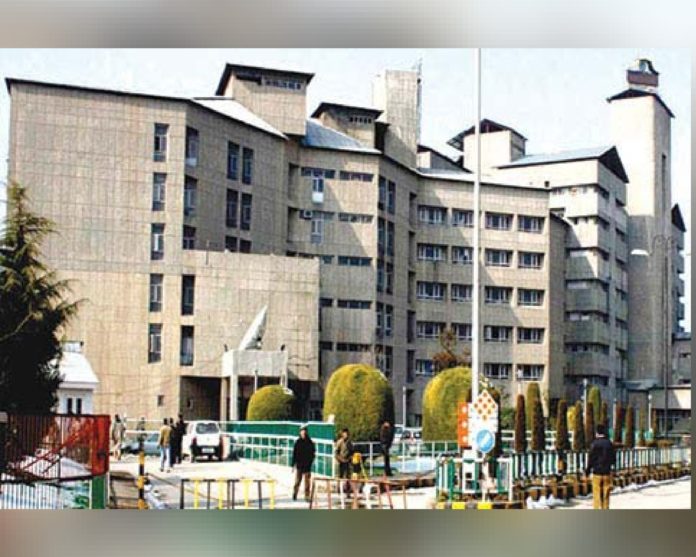
SKIMS officials told NVI that the lady from Srinagar, who was first positive case of coronavirus has tested negative. “She will be kept at quarantine for a period of 14 days after that it will be decided whether to discharge her or not,” they said.

They said that the anti- viral drugs recommend by World Health Organization has helped her to recover.

67- year -old Saudi returned lady from Khanyar area of Srinagar was tested positive for COVID-19 on March 18th and was admitted at Sher-e-Kashmir Institute of Medical Sciences (SKIMS) Soura where she was quarantined and put under observation.

She had gone to Saudi Arabia for performing Umrah pilgrimage.

Soon after she was tested positive, reports appeared that on arrival from Saudi Arabia, she walked out of the Srinagar airport using the VIP exit gate without getting screened using influence.

Later, Divisional Commissioner Kashmir PK Pole had asked the Deputy Commissioner Budgam to submit a detailed report about the incident.

Once she was tested positive, samples of two of here close relatives were taken. But the results came negative.

Till now Jammu and Kashmir has 41 positive cases with two deaths and two recovery cases.

No plan to extend 21-day COVID-19 lockdown: Govt

New Delhi (NVI): The central government today said that there are no plans to extend the current 21-day lockdown which came into force on March 24, 2020.

Cabinet Secretary Rajiv Gauba said, on reports that the lockdown could be extended, “I’m surprised to see such reports, there is no such plan of extending the lockdown.”

The Press Information Bureau (PIB) of the Ministry of Information and Broadcasting tweeted, “There are rumours & media reports, claiming that the Government will extend the #Lockdown21 when it expires. The Cabinet Secretary has denied these reports, and stated that they are baseless.”

This announcement comes after several media houses falsely reported that the government is planning to extend the lockdown.

The 21-day lockdown, which will continue till April 14, is aimed to curb the spread of coronavirus contagion that has infected more than 1,000 people in the country.

COVID-19: Death toll in Gujarat at 6

New Delhi (NVI): The coronavirus death toll in Gujarat has reached 6, after one more person died in Bhavnagar today, according to the media reports.

So far, three deaths have been reported in Ahmedabad, two in Bhavnagar and one in Surat.

In addition to this, a 45-year-old woman, died at a hospital in Bhavnagar late last night, principal secretary (health) Jayanti Ravi said.

With this the total number of positive cases due to the coronavirus contagion has reached 58 in the state.

Nationwide, the total number of positive cases have reached 1,071 with 29 deaths, according to the Health Ministry. A total of 99 people have been totally cured till date in the country.

MUST READ