Sunday, October 18, 2026
Home Blog Page 1346

Nepal’s COVID-19 tally stands at 15,964; death toll 35

New Delhi (NVI): With the confirmation of 180 new cases, Nepal’s coronavirus infection tally has reached 15,964 today, according to local media reports.

The country’s Ministry of Health and Population said, 264 recoveries in the last 24 hours have been reported which has taken the total number of recoveries in the country to 6,811.

A total of 710 cases of infection have been detected in Province 1 so far; 4,184 cases in Province 2; 639 cases in Bagmati Province; 1,175 cases in Gandaki Province; 3,984 cases in Province 5; 1,581 cases in Karnali Province; and 3,691 cases in Sudurpaschim Province.

Out of the total infections, 469 people have recovered from the disease in Province 1; 2,072 people in Province 2; 234 in Bagmati Province; 295 in Gandaki Province; 1,857 in Province 5; 1,222 in Karnali Province; and 662 people in Sudurpaschim Province.

The ministry also said that, coronavirus has spread to all 77 districts of Nepal, as per the reports.

At present, 9,118 active cases of COVID-19 in Nepal and staying in isolation while 29,215 are in quarantines across the country.

Meanwhile, another COVID-19 fatality has been confirmed by the ministry, which has taken the total death-toll from the disease to 35 in Nepal.

A 29 year-old-male, resident of Nisikhola Rural Municipality-3 in Baglung, passed away yesterday. The youth had returned to Nepal from India after receiving treatment for tuberculosis.

-RJV
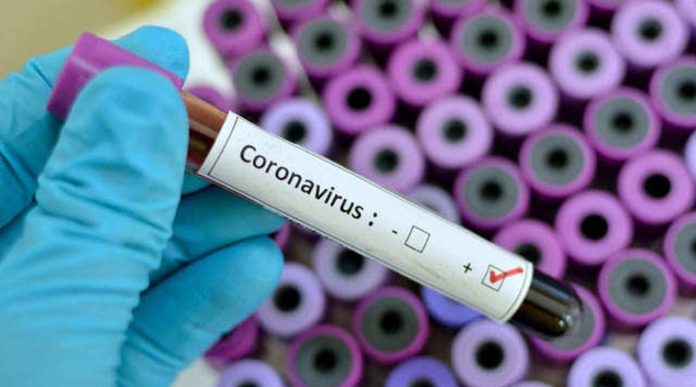
Pak’s health minister tests positive for COVID-19; tally tops 2.31 lakh

Representational image

New Delhi (NVI): Pakistan’s health minister, Zafar Mirza, has tested positive for the novel coronavirus, becoming the latest senior minister in the country to be hit by the deadly virus.

Meanwhile, the country reported 3,344 new COVID-19 cases in the last 24 hours, taking the nationwide tally to 2,31,818.

The death toll reached 4,762 after 50 people lost their lives due to the deadly contagion during this period, according to media reports.

Looking at the breakdown of cases, Sindh province has reported 94,528 coronavirus cases, highest among all the provinces, while Punjab has 81,963 positive cases.

On the other hand, Khyber-Pakhtunkhwa has recorded 28,116 cases, Balochistan is at 10,814, Gilgit-Baltistan at 1,561, Islamabad at 13,494 and Pakistan-occupied Kashmir is at 1,342 cases so far.

According to the country’s health ministry, 56.78 per cent patients have recovered from the disease while those still infected are 43.21 per cent.

-CHK

Odisha: Vedanta organises mega blood donation camp in Lanjigarh

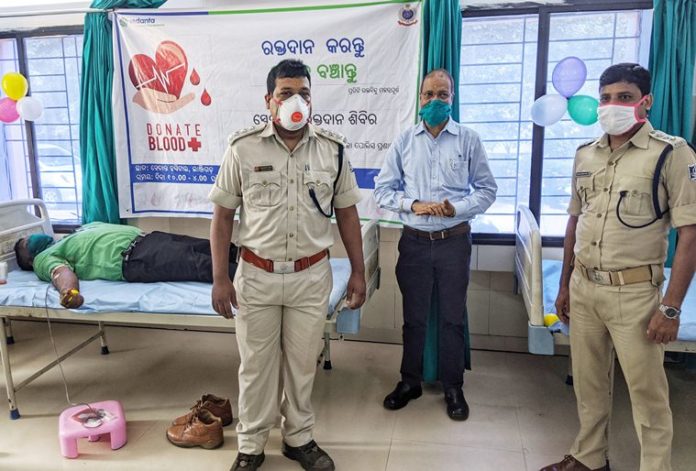
Bhubaneswar (NVI): In a mega blood donation drive organised at Lanjigarh in Kalahandi district of Odisha, Vedanta’s Alumina Refinery has joined hands with district police administration for the initiative.

The blood donation camp was organised at Vedanta Hospital under the Odisha Government’s ‘Mo Sarkar’ initiative. 95 units of blood were collected during the voluntary blood donation drive with the support of police personnel, employees and associate partners of Vedanta along with members from the nearby community.

Acknowledging the volunteers for their donation, Rakesh Mohan, Chief Operating Officer, Vedanta Limited, Lanjigarh unit said, “We are glad to be a part of this blood donation drive initiated by the District Police, Kalahandi. We have received proactive support and cooperation from our employees and associate partners in donating their blood for this noble cause.

Appreciating Vedanta’s support Satyananda Patra, Inspector In-charge Lanjigarh said: “Vedanta has been very supportive in this initiative. Our joint efforts in successfully organizing this voluntary blood donation camp will go a long way in helping many people in the region during this tough time.”

The donors were recognised for their support by presenting them with a certificate of appreciation. Over the past years, the team had helped in collecting over 550 units of blood and had donated it to the District Headquarter Hospital at Bhawanipatna, Kalahandi district.

Besides blood donation camps, Vedanta has conducted several health camps in the peripheral villages around its plant. The communities have been provided with free consulting services as well as medicines in these outreach camps. In the wake of COVID-19 outbreak, the plant has taken several steps towards ensuring the safety and wellbeing of the community and its employees by various preventive measures.

Vedanta is the largest producer of aluminium in India and remains the premier manufacturer of metallurgical grade alumina. The company operates a 2 MTPA (million tonnes per annum) capacity alumina refinery in Lanjigarh (Kalahandi district, Odisha), India since 2007 and an associated 90 MW captive power plant.

Doval speaks to China’s Wang Yi as disengagement begins at LAC

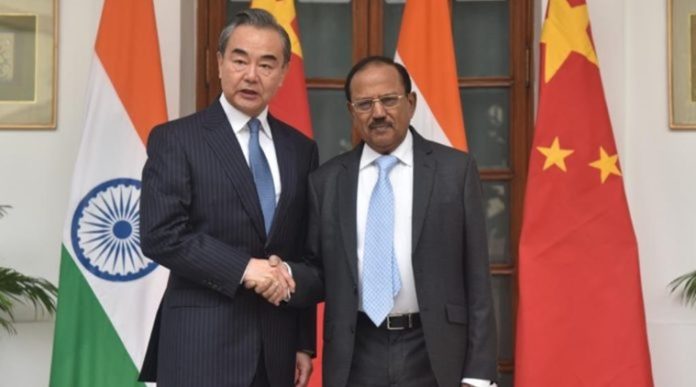
NSA Ajit Doval with Chinese Minister of Foreign Affairs Wang Yi (File)

New Delhi (NVI): National Security Advisor Ajit Doval had a “frank and in-depth exchange of views” with Chinese Minister of Foreign Affairs Wang Yi yesterday, on the recent developments in the western sector of the India-China borders, as China pulls back its troops in Galwan Valley along LAC, the Ministry of External Affairs said today.

Doval and Wang Yi had a conversation under the Special Representatives (SR) mechanism on the boundary talks, as they both agreed that both sides should take guidance from the consensus of the leaders that maintenance of peace and tranquillity in the India-China border areas was essential for the further development of bilateral relations and that two sides should not allow differences to become disputes, MEA said in a statement.

During the telephonic conversation yesterday, the two agreed that it was necessary to ensure at the earliest complete disengagement of the troops along the LAC and de-escalation from India-China border areas for full restoration of peace and tranquillity.

“In this regard they further agreed that both sides should complete the ongoing disengagement process along the LAC expeditiously,” MEA said.

They reaffirmed the stand taken during earlier diplomatic and military engagement between both sides that a phased and stepwise de-escalation in the India-China border areas has to be ensured.

“They re-affirmed that both sides should strictly respect and observe the line of actual control and should not take any unilateral action to alter the status quo and work together to avoid any incident in the future that could disturb peace and tranquillity in border areas,” the MEA statement read.

Apart from that, the two Special Representatives agreed that the diplomatic and military officials of the two sides should continue their discussions, including under the framework of the Working Mechanism for Consultation and Coordination on India-China border affairs (WMCC), and implement the understandings reached in a timely manner to achieve the above outcomes.

“It was also agreed that the two Special Representatives will continue their conversations to ensure full and enduring restoration of peace and tranquillity in the India-China border areas in accordance with the bilateral agreements and protocols,” read the official statement.

Earlier on June 17, External Affairs Minister S Jaishankar had spoken to his Chinese counterpart Wang Yi over the phone and conveyed India’s protest in “strongest terms” on the violent face-off in Galwan Valley in Ladakh on June 15.

In first signs of withdrawal of Chinese troops along LAC in Eastern Ladakh, the PLA has removed tents and dismantled its structures in the Galwan Valley, sources said today.

India and China are currently locked in a bitter standoff at multiple locations in Eastern Ladakh, especially after the June 15 violent clash between the Indian and Chinese troops in Galwan Valley in which 20 Indian soldiers lost their lives.

-ARK

COVID-19 waste management to reduce impact of pandemic on global environment: UNEP

Representational image

New Delhi (NVI): With the outbreak of coronavirus, hospitals, healthcare facilities and individuals are producing more waste than usual, including masks, gloves, gowns and other protective equipment that could be infected with the virus.

The United Nations Environment Programme (UNEP), has outlined a series of guidelines on how to safely manage the increase of waste produced in response to the crisis and to control releases of harmful chemicals in the atmosphere, land and water.

Reportedly, there is also a large increase in the amount of single use plastics being produced.

When not managed soundly, infected medical waste could be subject to uncontrolled dumping, leading to public health risks, and to open burning or uncontrolled incineration, leading to the release of toxins in the environment and to secondary transmission of diseases to humans. Other wastes can reach water sources and add to river and marine pollution.

UNEP in collaboration with various governments, WHO, UNDP and NGO’s has been working to mitigate the adverse effects on global environment from the increase of waste produced in response to the crisis.

Few of the responses laid down by UNEP are:

– Inventory:
Governments produce an assessment of their national waste management capacity to optimize their utilization and adopt stop-gap solutions during COVID-19. The action will prevent both the spread of contamination and the increase in litter reaching the marine environment.

– 3S methodology:
Sorting, Segregation and Storage. COVID-19 waste should be separated from general medical waste volumes at point of generation. Waste should then be stored to assess waste volumes and allow the development of an appropriate response.

– Air quality and transport:
Air quality has an impact on human and environment health. Countries in a post COVID-19 recovery phase could manage the levels of air pollution not only with waste management solutions and emission control, but also with options for electrical mobility and transport.

– Household and medical waste management strategies:
COVID-19 will increase the consumption of personal care and single-use products, especially in countries with overwhelmed or few healthcare facilities. Countries will require more robust systems for waste segregation, collection and management, and individuals will need guidance on how to safely dispose off the used medical equipment.

-CHK

ECoR carried 45.80 mn tonnes of freight during lockdown

Subrat Kumar Sarangi

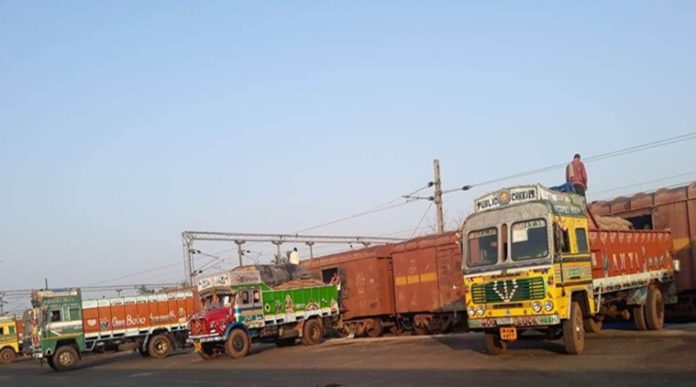
Bhubaneswar (NVI): The East Coast Railway (ECoR) zone has carried 48.50 million tonnes (MT) of freight during the nationwide Covid-19 lockdown, from March 22 to June 30, by utilising 12,680 trains.

According to an official statement, ECoR has loaded the highest freight traffic during the 101-day lockdown period.

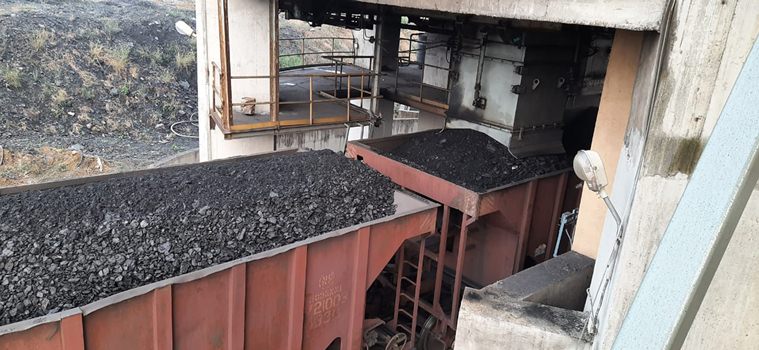
It has carried 27.06 million tonnes of coal in 7,100 trains from its jurisdiction, said a railways official.

Out of this, 16.14 million tonnes of indigenous coal was loaded from Talcher area in 4,157 trains and 10.92 million tonnes of imported coal from different ports under ECoR jurisdiction was transported to various powerhouses and industries across the country.

Apart from that, ECoR carried 0.95 million tonnes of food grains, especially rice to different states like Tamil Nadu, Karnataka, Andhra Pradesh, Telangana, Bihar, Jharkhand etc by utilising 333 trains.

1.20 million tonnes of fertilizer was transported to states like UP, Bihar, West Bengal in 470 trains and 279 trains of petroleum products were transported from ECOR jurisdiction towards various places, the statement said.

1268 trains of iron ore, 895 trains of iron and steel products, 41 trains of cement packets were also loaded for various destinations.

In the first financial quarter of 2020-21, the ECoR loaded about 42 million tonnes which is more than 82 per cent, that of the last year in the same period.

Amongst all the zones of Indian Railways, ECoR loaded the highest freight traffic during this period, the official claimed, adding that this was achieved in spite of the lockdown during this entire period.

The statement further said that, various state governments also provided necessary cooperation during this COVID-19, whenever needed.

In essential commodities, Indian Railways carried food grains, fruits and vegetables, milk products, edible oil, sugar and salt, medical equipment and medicine, PPE Kits and other grocery items apart from fertilizer, petroleum products and coal and others.

-RJV/ARK

China removes tents, structures in Galwan as disengagement starts at LAC: Sources

India-China face-off: Core issue is to 'strictly' follow bilateral border pacts, says MEA

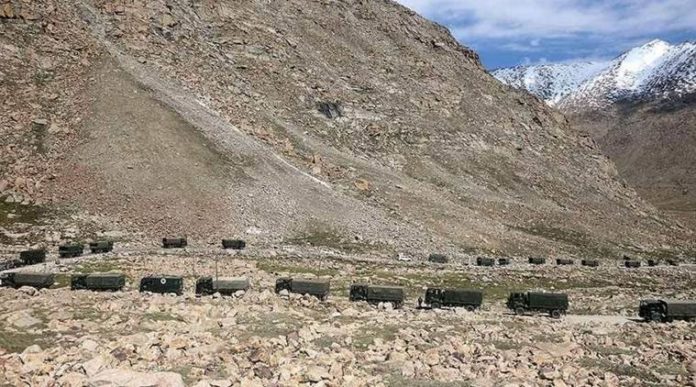
New Delhi (NVI): In first signs of withdrawal of Chinese troops along Line of Actual Control in Eastern Ladakh, the PLA has removed tents and dismantled its structures in the Galwan Valley that witnessed a violent face-off between the Indian and Chinese troops on June 15, sources said.

“Disengagement with PLA has started as per agreed terms in the Corps Commander’s meeting,” the sources said while referring to the third military-level talks between the two sides held on June 30 to normalise the situation on India-China border.

According to sources, PLA has stepped back from some friction points in the disputed area. The disengagement  process also comes a day after National Security Advisor Ajit Doval had a telephonic conversation with Chinese Minister of Foreign Affairs Wang Yi under the Special Representatives (SR) mechanism on recent developments on the India-China border areas.

The Chinese troops have been seen removing tents and structures at PP14 (Patrolling Point) in Galwan area, sources said, adding that similar movement from the two sides is also expected at the other two standoff sites of PP15 and PP17A in the Hot Springs sector.

“Rearward movement of vehicles of PLA seen at General area Galwan, Hotsprings and Gogra,” they said while adding that there are no details regarding the specific distances the two sides have moved backward and confirmation is only possible after verification.

Sources further said that certain vehicles have also been coming to the location to take the troops towards their side.

In the June 30 Corps Commander level meeting, both sides had emphasised on the need for an “expeditious, phased and stepwise de-escalation” in Ladakh region along the LAC as a priority.

Before June 30 meeting a Chushul border point on the Indian side, the two sides had a military-level engagement earlier on June 6 and 22 at Moldo, which falls on the Chinese side of LAC.

Today’s development also comes three days after Prime Minister Narendra Modi visited forward areas in Ladakh and boosted the morale of Indian troops deployed in the region. While addressing the Indian Army, Air Force and ITBP soldiers in Nimu, one of the forward locations in Ladakh, the Prime Minister gave a strong message to China that the Indian troops will not hesitate in protecting the motherland as their valour has been demonstrated before the whole world recently (Galwan).

India and China are currently locked in a bitter standoff at multiple locations in Eastern Ladakh, especially after the June 15 violent clash between the Indian and Chinese troops in Galwan Valley in which 20 Indian soldiers lost their lives.

-ARK

Chinese city on high alert after cases of Bubonic Plague reported

New Delhi (NVI): A city in northern China sounded an alert after a suspected case of bubonic plague was reported on Sunday.

Bayannur, Inner Mongolia Autonomous Region, announced a level III warning of plague prevention and control, according to state-run People’s Daily Online.

Bubonic plague is a bacterial disease that is spread by fleas living on wild rodents such as marmots. It can kill an adult in less than 24 hours if not treated in time, according to the World Health Organization. Enditem

The local health authorities of Bayannur have announced that the warning period will continue until the end of 2020.

On July 1, two suspected cases of bubonic plague were reported in Khovd province in western Mongolia which have been confirmed by lab test results, Xinhua news agency reported.

The confirmed cases are of a 27-year-old resident and his 17-year-old brother, who are being treated at two separate hospitals in their province, the news agency further stated.

A total of 146 people who had come into contact with them have been isolated and treated at local hospitals.

The plague was once the world’s most feared disease, but can now be easily treated.

-CHK

Odisha: 4 corona warriors from Ganjam succumb to deadly virus

Representational image

Subrat Kumar Sarangi

Bhubaneswar (NVI): As coronavirus positive cases in Odisha are increasing day by day, four COVID-19 warriors of Ganjam district succumbed to the deadly virus today, taking the overall death toll in the state to 38.

Ganjam is now the worst affected district of the state as Odisha’s Covid tally reaches 9,526.

The four warriors who lost their lives due to the virus have been identified as Bharati Swain, Simanchala Satpathy, P Suresh Kumar, Sudhartha Shankar Padhy.

“We lost our four Covid Warriors. Entire District Administration is with their families. We request all people in Ganjam to follow social distancing norms. By doing this you will help our Covid warriors in fighting this war,” Ganjam district Collector Vijay Amruta Kulange tweeted.

Expressing grief over the loss of four lives, district Collector Vijay Kulange extended sympathies to bereaved family members and told their dedication towards duties will set an example for other Covid-hospitals warriors.

-RJV/ARK

Oxford Topper from Odisha appointed as UN Policy officer

Subrat Kumar Sarangi

Bhubaneswar (NVI): Baisali Mohanty from Odisha, who brought laurels to the state by winning the prestigious award as best graduate student of Oxford University in England has been appointed as Policy Officer of the United Nations.

Baisali, who belongs from Puri in Odisha, took charge of her new assignment on July 1.

Odisha Chief Minister Naveen Patnaik congratulated her yesterday for the prestigious position. In a tweet, the chief minister said that Baisali has joined the illustrious list of Indian women who are breaking many glass ceilings across the world.

“Congratulate Baisali Mohanty on being appointed as United Nations Policy Officer. She joins an illustrious list of Indian women who are breaking many glass ceilings across the world. We wish her the best for her tenure,” the Odisha CM tweeted.

Born in Puri, she is the daughter of eminent poet and author Manasi Pradhan and Ex-Chief Engineer Radha Binod Mohanty. She did her Master’s Degree in International Studies from Oxford University, London in 2016 and was selected to join the International Civil Service of UN.

Baisali did her schooling from sacrament high school, Puri and KIIT International, Bhubaneswar. Then she went to Lady Sriram College, Delhi for graduation and then completed Master’s Degree in International Studies from Oxford University writing her dissertation on Nuclear Diplomacy.

She is a regular writer on Foreign Policy and Security Issues in several International Publications. Baisali is a good Odissi Dancer and has founded an Oxford Odissi Centre too.

-ARK

MUST READ