
Wednesday, March 25, 2026
Home Blog Page 1350

World Hearing Day: Around 466 mn people live with hearing loss

Representational image

New Delhi (NVI): World Hearing Day is observed on March 3 every year to raise awareness on how to prevent deafness and hearing loss and promote ear and hearing care across the world.

Each year, WHO decides the theme and develops a brochure on the topic based on the best available evidence as well as advocacy materials such as posters, banners, infographics and presentations, among others.

The theme for this year– “Don’t let hearing loss limit you. Hearing for life!,”– highlights that timely and effective care can enable people with hearing loss achieve their full potential.

Around 466 million people around the world have disabling hearing loss and 34 million of these are children.

According to World Health Organisation (WHO) estimates that many more are at risk of permanent hearing damage. Globally, there is lack of access to interventions to address hearing loss.

A person is said to be suffering from hearing loss if they are not able to hear as well as someone with normal hearing thresholds of 20 dB or better in both ears, WHO reports.

There are multiple causes of hearing loss as genetic factors, complications at birth, aging and exposure to excessive noise.

There are many interventions that can enable people such as hearing aid cochlear implants, auditory training, speech and language therapy and other assistive devices and also to rehabilitate and support people with hearing loss through the health system and in collaboration with other systems.
PM holds meet on coronavirus, asks people not to panic

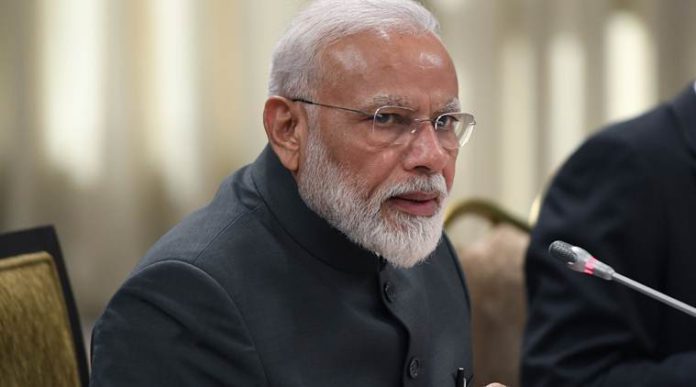
New Delhi (NVI): Prime Minister Narendra Modi today said that he had an extensive review of preparations to tackle coronavirus in the country and asked people not to panic. The PM’s concerns over the virus outbreak came a day after two more positive cases of COVID-19 were reported from Delhi and Telangana.

Taking to Twitter, Modi said, “Had an extensive review regarding preparedness on the COVID-19 Novel Coronavirus. Different ministries & states are working together, from screening people arriving in India to providing prompt medical attention.”

Replying on the same tweet, Modi said: “There is no need to panic. We need to work together, take small yet important measures to ensure self-protection.”

Modi’s tweet also featured a card by the Ministry of Health, with protective measures listed to prevent the disease.

More than 3,000 people have been killed due to the virus globally.

The United States has reported six deaths from the coronavirus, as the outbreak that started in China continues to spread to new countries around the world and the World Health Organization (WHO) has urged the countries to step up containment measures to rein in the infection.

South Korea has reported 600 new coronavirus cases on Tuesday. The Korea Centers for Disease Control and Prevention (KCDC) also says three more people died overnight.

Total cases in the country now stand at 4,812, making it the largest outbreak outside China.

Deaths in Italy rose to 52, while Iran’s toll rose to 66. Italy is the hardest-hit country in Europe, while Iran has reported the most deaths outside China.

The head of the World Health Organization (WHO), General Tedros Adhanom Ghebreyesus, said that public health officials are operating in “uncharted territory” as they combat the spread of the novel coronavirus, which has infected more than 90,000 people across 73 countries and territories as of Monday evening.

The virus has spread to every continent except Antarctica since it was first identified in December last year in the central Chinese city of Wuhan.

To date, there have been 172 deaths reported outside mainland China, raising the global death toll to 3,115.

Pulwama attack: Father-daughter duo arrested in south Kashmir

Mubashir Bukhari

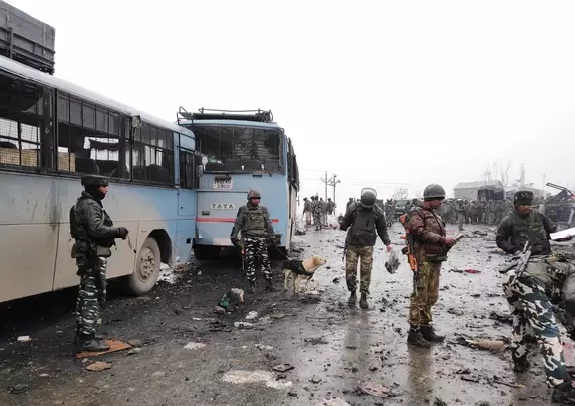
Srinagar (NVI): The National Investigation Agency (NIA) arrested a father-daughter duo in south Kashmir today for their alleged involvement in February 2019 Pulwama attack.

NIA conducted searches in the morning at residential house of Tariq Ahmad Shah of Pulwama.

The house owner Tariq Ahmad and his daughter Insha Tariq were arrested and taken to a local police station.

They were later handed over to NIA for further questioning.

During initial interrogation, accused Tariq Ahmed Shah disclosed that his house at Hakripora, Pulwama was used by Adil Ahmed Dar(Fidayeen), Umar Farooq, a Pakistani terrorist and IED maker, Kamran, another Pakistani terrorist (both were later killed in encounters with security forces), Sameer Ahmed Dar, a Jaish-e-Mohd terrorist from Pulwama and Ismail, Ibrahim, Adnan, a Pakistani terrorist.

Tariq facilitated all the terrorists at his house for providing a shelter and for planning the attack on the CRPF convoy. His house was also used by these terrorists for preparing and recording of video of Fidayeen Adil Ahmed Dar, which was released by Jaish-e-Mohammad soon after the Pulwama attack.

Accused Insha Jan, 23 years old, Tariq’s daughter, facilitated the terrorists at their home and provided food and other logistics during their stay on more than 15 occasions for 2-4 days each time, in their house during the year 2018-2019. Initial interrogation has revealed that Insha Jan was in constant touch with Umar Farooq, Pakistani IED maker and was in communication with him over telephone and other social media applications.

The arrest comes days after NIA arrested Shakir Bashir Magrey, an alleged Jaish-e-Mohammed (JeM) operative.

Magrey had tracked the movement of CRPF convoys and helped assemble the bomb used in the attack that killed at least 40 paramilitary personnel on February 14, 2019.

NIA has also raided residences of several active and slain militants in south Kashmir on February 26.

An NIA team, along with CRPF and police raided the house of Zahid Ahmad who is an active militant of Jaish at Karimabad area of Pulwama district.

The raids were also carried at the residence of Adil and one more slain militant at Kakapora area in the same district.

NIA has also raided several places, including residences of a sarpanch and some active militants, in Shopian.

PM Modi reveals why he plans to quit social media, for a day

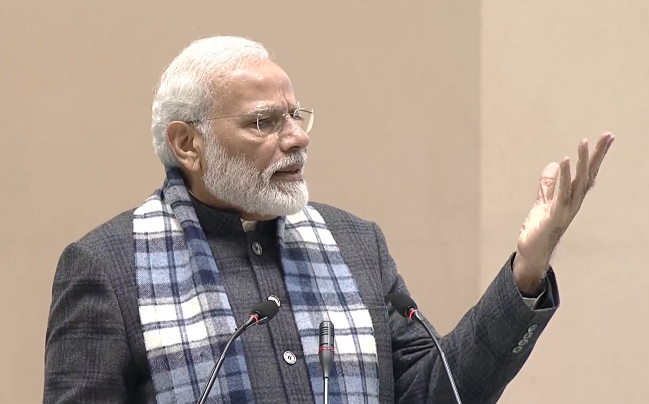
Prime Minister Narendra Modi

New Delhi (NVI): A day after Prime Minister Narendra Modi’s surprise announcement of giving up social media, the PM today made it clear that he will give away his social media accounts to women “whose life & work inspires us.”

PM’s last night tweet on his intentions to quit social media took netizens by surprise with many expressing their views through hashtags like #Modimysterytweet. PM’s tweet also set off a buzz of speculations.

The Prime Minister had yesterday tweeted that he may be giving up on his social media accounts this Sunday (March 8).

“This Sunday, thinking of giving up my social media accounts on Facebook, Twitter, Instagram & YouTube. Will keep you all posted,” he tweeted last night.

However, In a follow-up tweet today, PM said: “This Women’s Day, I will give away my social media accounts to women whose life & work inspire us. This will help them ignite motivation in millions. Are you such a woman or do you know such inspiring women? Share such stories using #SheInspiresUs.”

UN body moves Indian SC against CAA; Govt unhappy

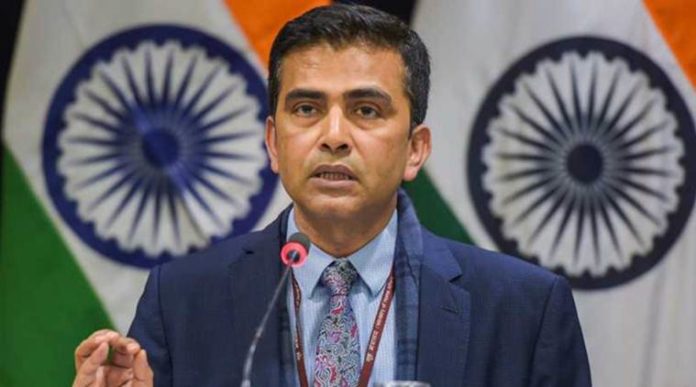
External Affairs spokesperson Raveesh Kumar (File)

New Delhi (NVI): The United Nations High Commissioner for Human Rights (UNHCR) has filed an intervention application in the Supreme Court of India against the Citizenship Amendment Act (CAA), evoking a sharp response from the government which asserted that “no foreign party” has any locus standi on this internal matter.

External Affairs Ministry spokesperson Raveesh Kumar said the CAA concerns the sovereign right of the Indian Parliament to make laws and is constitutionally valid.

The UN body’s move came as protests and controversy continued over the CAA, which was enacted in December last year. The protests turned ugly last week in Delhi, where some parts witnessed violence in which over 40 people were killed.

“Our Permanent Mission in Geneva was informed yesterday evening by the UN High Commissioner for Human Rights that her Office had filed an Intervention Application in the Supreme Court of India in respect to 2019 Citizenship Amendment Act (CAA),” External Affairs Ministry spokesperson Raveesh Kumar said in a statement.

“The Citizenship Amendment Act is an internal matter of India and concerns the sovereign right of the Indian Parliament to make laws.  We strongly believe that no foreign party has any locus standi on issues pertaining to India’s sovereignty,” he added.

Kumar asserted that CAA is constitutionally valid and that he is confident that India’s legally-sustainable position would be vindicated by the Supreme Court.

“We are clear that CAA is constitutionally valid & complies with all requirements of our constitutional values. It is reflective of our long-standing national commitment in respect of human rights issues arising from the tragedy of the Partition of India,” he said.

“India is a democratic country governed by the rule of law. We all have utmost respect for and full trust in our independent judiciary. We are confident that our sound and legally sustainable position would be vindicated by the Hon’ble Supreme Court,” he added.

Delhi violence: Shahrukh, man who pointed gun at cop, held in UP

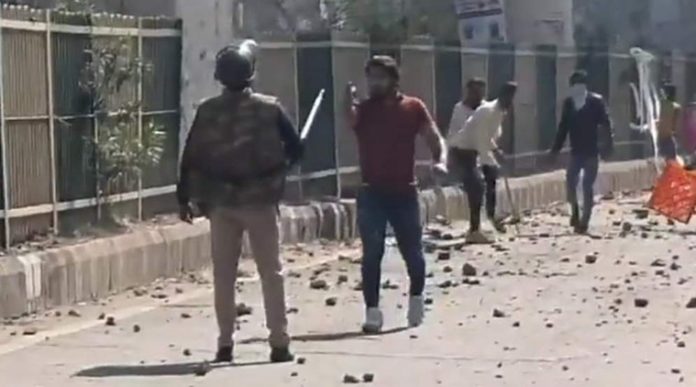
New Delhi (NVI): Shahrukh Khan, the man who pointed gun at an unarmed Delhi Police head constable during the violence in northeast Delhi last week, was arrested from Bareilly in Uttar Pradesh today.

Shahrukh was missing from the national capital after a video showed that he brandished a gun and confronted a police cop. Media reports have said that he also fired rounds from his gun.

Violent clashes broke out in northeast Delhi on February 23 evening that continued for 3 days before the rampaging mobs could be controlled.

The violence claimed at least 46 lives including a Delhi Police head constable and an Intelligence Bureau Official.

India lodges protest over Iran FM’s remarks on Delhi violence

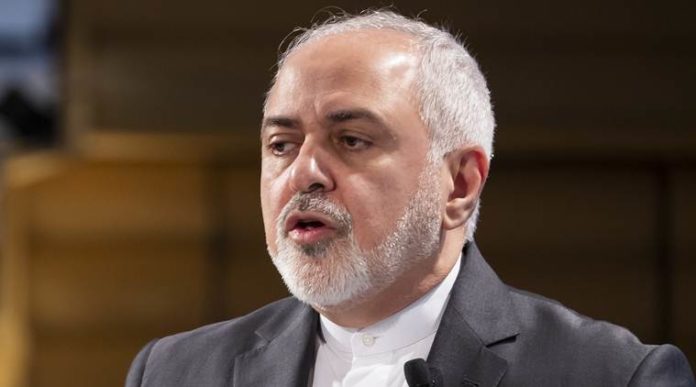
New Delhi (NVI): India today lodged a strong protest over comments by Iran’s Foreign Minister Javad Zarif on Delhi violence as it summoned Iranian ambassador Ali Chegeni over the matter.

The foreign office conveyed to the envoy that Zarif’s comments were over a matter that is purely internal to India.

Iranian FM Javad Zarif tweeted late yesterday: “Iran condemns the wave of organized violence against Indian Muslims. For centuries, Iran has been a friend of India. We urge Indian authorities to ensure the wellbeing of ALL Indians & not let senseless thuggery prevail. Path forward lies in peaceful dialogue and rule of law.”

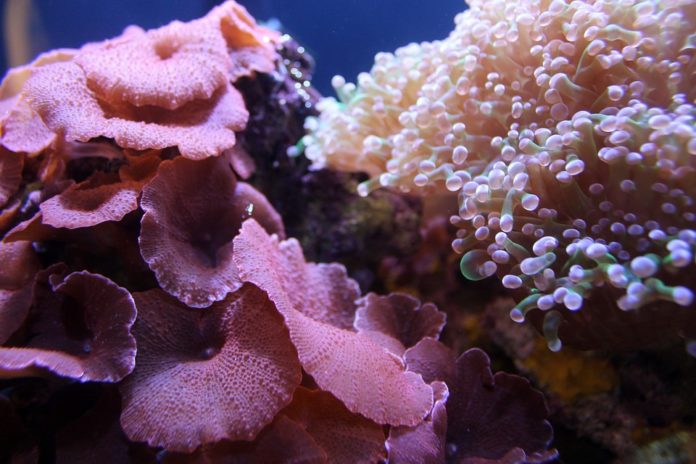
World Wildlife Day: Coral reefs and their ecosystem

New Delhi (NVI): World Wildlife Day marked on March 3 every year, is a chance to appreciate all that nature provides.

This year’s theme, “Sustaining all life on Earth”, gives ode to the natural world that allows wild animals, plants and humans to thrive in harmony.

Among the most valuable elements of nature is the coral reef. Coral reefs are home to the largest variety of species in the ocean. You might think of them as underwater rainforests—full of living and nonliving components that, together, create one of the world’s most unique and important ecosystems, according to United Nations Environment Programme (UNEP).

Coral reefs are unlike any other ecosystem on Earth. Not only do these beautiful reefs support an abundance of plant and animal life, they also provide with invaluable resources and improve the quality of life.

But did you know that coral reefs are just as important for our lives on land as they are for the lives of species underwater?

Here are seven ways a person is connected to coral reefs:

1) Food

Half a billion people around the world depend on fish that lives on coral reefs as a substantial source of food. Even if you live far from a coast, there’s a good chance the fish you eat came from a coral reef! More than 4,000 species of fish are supported by coral reefs, and an estimated 15 tonnes of fish per square kilometre can be produced each year by healthy reefs.

2) Livelihoods

Coral reefs are a significant tourism draw in the regions they inhabit. Millions of snorkelers and scuba divers flock to see their beauty every year, and even more travelers enjoy the beaches they protect. This provides an array of tourism-based livelihoods on dive-boats and in service centers like hotels and restaurants.

3) Protection

Coral reefs act as natural buffers against storms and waves that can erode coasts and damage property or threaten lives. This is made possible by their complex shapes and the underwater ‘walls’ they build that help reduce the intensity of incoming waves. The protection provided by coral reefs is increasingly important as climate change threatens to increase the intensity and frequency of storms.

4) Medicine

New medicines and nutritional supplements are being developed from chemical compounds found in many species that live on coral reefs. Although scientists have been doing this in forests for decades, it is only recently that exploring the possibilities provided by reefs has begun. This means it’s possible that people have only scratched the surface in terms of what powerful medicines might originate in coral reefs!

5) Culture

For people who live on coasts where coral reefs grow, and for anyone who has ever dived beneath the surface and seen their wondrous display of colours and life, coral reefs have a value untethered to money. In addition to providing us with the resources and services above, they are dazzling representations of the complexity and beauty of life on the planet.

6) Water filtration

Coral reefs help keep the near shore waters clean from pollution. Many corals and sponges are filter feeders, meaning they consume particulate matter (pollutants that do not dissolve in water) in the water. This prevents these particles from settling on the bottom of the ocean and dirtying the ocean with harmful materials.

7) Beaches

Sand on beaches are often thought of as the product of broken-down shells, but coral reefs also have a hand in building these beaches. In fact, much of the sand on many beaches is the product of broken-down coral skeletons. In addition, some reef creatures produce sand as a result of their coral consumption. For example, a large-bodied parrotfish is estimated to produce up to one tonne of sand per year!

Temperature on rise as pre-monsoon season starts

New Delhi (NVI): North, eastern, central and southern states of the country saw a rise in the day temperatures as the pre-monsoon season has begun from this month.

The first arrival of summer is also seen in the states of South and Central India, according to SkymetWeather.

As the mercury crosses the 35-degree mark in Kerala, Tamil Nadu, Andhra Pradesh, Karnataka coastal areas, Maharashtra coastal areas, and Odisha.

Temperatures in northern India plains reach this level in mid-March.

At present, the states of Maharashtra, Tamil Nadu, Kerala are included in the list of 10 hottest cities during the last 24 hours.

Punalur of Kerala is the hottest place in the plains of the country, where the maximum temperature has been recorded at 37.2 degree Celsius.

Khargone in Madhya Pradesh, Madurai in Tamil Nadu and Malegaon in Maharashtra recorded maximum temperature at 36.6 degrees Celsius.

Apart from this, Kurnool in Andhra Pradesh and  Paramathi in Tamil Nadu recorded maximum temperature at 36.5 and 36.2 degrees Celsius respectively.

Erode in Tamil Nadu and Anantapur in Andhra Pradesh both recorded maximum temperature at 36 degrees Celsius.

Kerala’s Alappuzha and Kannur recorded maximum temperature at 35.8 and 35.7 degrees Celsius respectively.

Meanwhile, Delhi and NCR region also saw a slight decrease in minimum temperature to 14.3 degree Celsius from 14.7 degrees Celsius recorded yesterday.

The maximum temperature today is expected to be around 28 degrees celsius, according to the India Meteorological Department (IMD).

The overall air quality in the national capital today is in “poor” category.

According to System of Air Quality and Weather Forecasting And Research (SAFAR), the Air Quality Index (AQI) in the national capital stood at 215 which falls in the “poor” category.

The SkymetWeather also predicted that scattered rain is expected to approach Jammu and Kashmir, Ladakh and Himachal Pradesh due to an active Western Disturbance (WD) in the Western Himalayas.

Due to this system,there are also chances of moderate snowfall with isolated heavy spells in Jammu and Kashmir, Ladakh, Himachal Pradesh and Uttarakhand during this span.

The weather system is also likely to impact the Indo-Gangetic plains in terms of moderate to heavy rain between March 5 and 7.


Rlwys losing traffic: Parl to discuss Rail Min’s demand for grants

Railways
Representational Image

New Delhi (NVI): With the Indian Railways steadily losing traffic to other modes of transport, the Parliament will discuss the Rail Ministry’s demand for grants so that the finances of the national carrier are not affected.

The Parliament reconvened today after recess for the second part of the Budget Session. The Demand for Grants for the Ministry of Railways is set to be discussed and voted this week.

The growth rate of both freight traffic and passengers has declined for Railways as it is losing traffic to road transport because of inadequate and poor service. As a result, most of India’s passengers and the bulk of freight go by road.

According to a recent estimate by the railways, currently 90 percent of India’s passengers traffic and 65 per cent of its freight uses road transportation.

The freight basket is also limited to a few bulk commodities such as coal, cement and iron ore. Any shift in transport patterns of any of these bulk commodities could affect the Railways’ finances significantly.

In addition, profits from freight operations are used to offset losses from passenger services. In 2017-18, 95% of the profit earned from freight operations was utilised to compensate for losses from passenger and other services.

High operating ratio (>90%) reduces the Railways’ ability to generate surplus for capital investments. As a result, the Indian Railways will fund only about 5% of this capital expenditure from its own internal resources in 2020-21. 52% will be financed through extra budgetary resources and the rest from the Centre.

The Railways finances were presented on February 1, 2020 by the Finance Minister Nirmala Sitharaman along with the Union Budget 2020-21. The Ministry of Railways manages the administration of Indian Railways and policy formation through the Railway Board. Indian Railways is a commercial undertaking of the government.

Railways’ revenue for 2020-21 is estimated at Rs 2,25,913 crore which is a 10% increase from the revised estimates of 2019-20.

MUST READ