
New Delhi, May 19: World Health Organization has declared the latest Ebola outbreak in parts of Africa a global health emergency after cases surged in the Democratic Republic of Congo and Uganda. The announcement has renewed worldwide concern about one of the deadliest viruses known to humans.
Why WHO Declared a Global Emergency
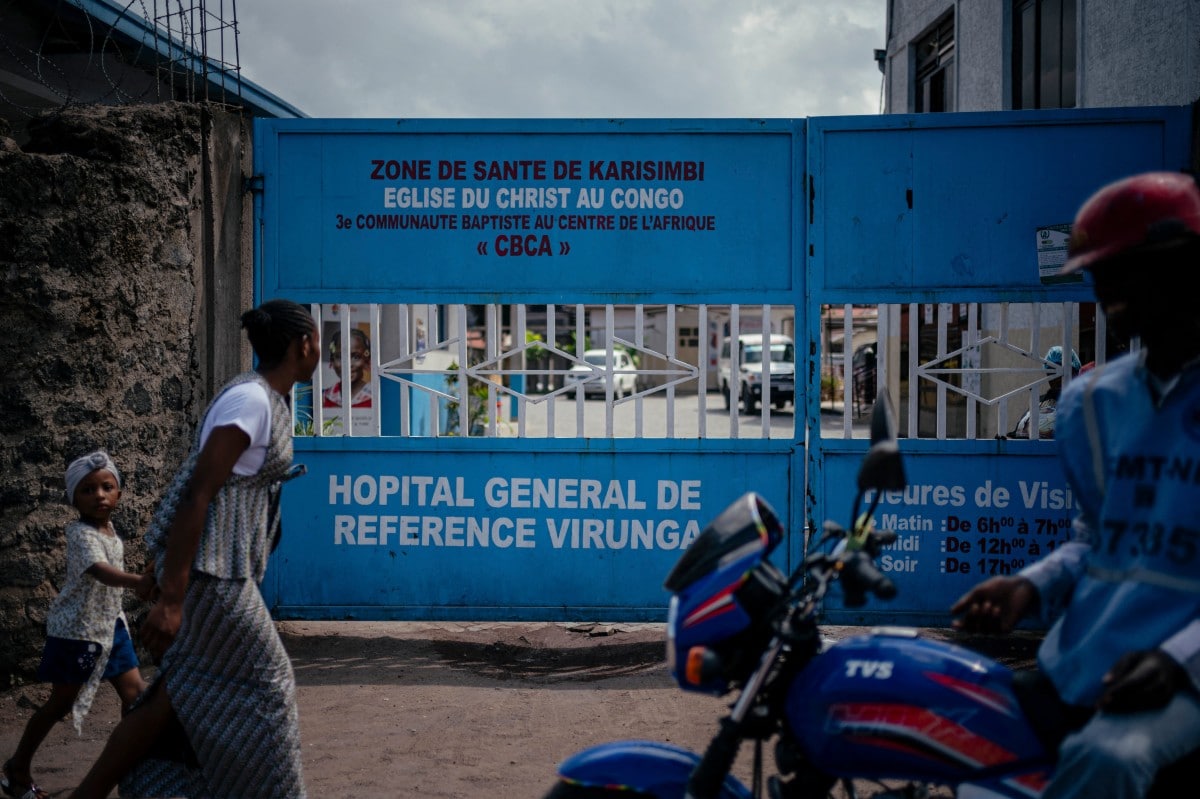
Health officials raised alarm after suspected Ebola infections and deaths increased rapidly in Congo’s Ituri province, while confirmed cases were also detected in Kampala, Uganda. WHO warned that the outbreak could be larger than current official numbers suggest.
Is Ebola Airborne Like COVID-19?
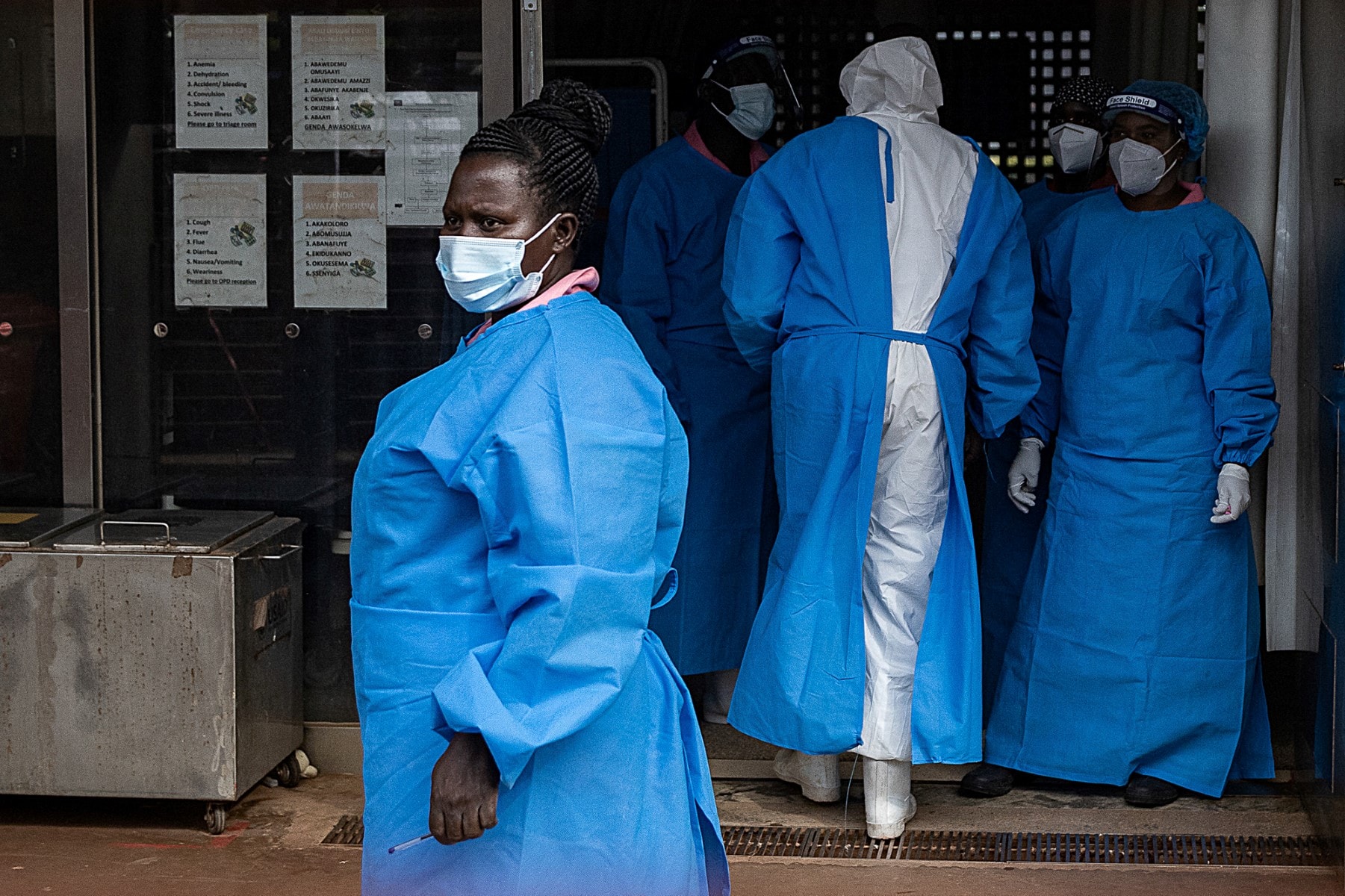
No. Ebola Virus Disease does not spread through the air like COVID-19. Transmission mainly happens through direct contact with infected bodily fluids such as blood, vomit, saliva, sweat, urine, or semen.
Early Symptoms Can Be Difficult to Detect
The first signs of Ebola often resemble common viral illnesses, making early diagnosis challenging. Symptoms usually include:
- Sudden fever
- Severe weakness
- Muscle pain
- Headache
- Sore throat
As the disease worsens, vomiting, diarrhoea, and internal or external bleeding may develop.
Why Ebola Is Considered So Dangerous
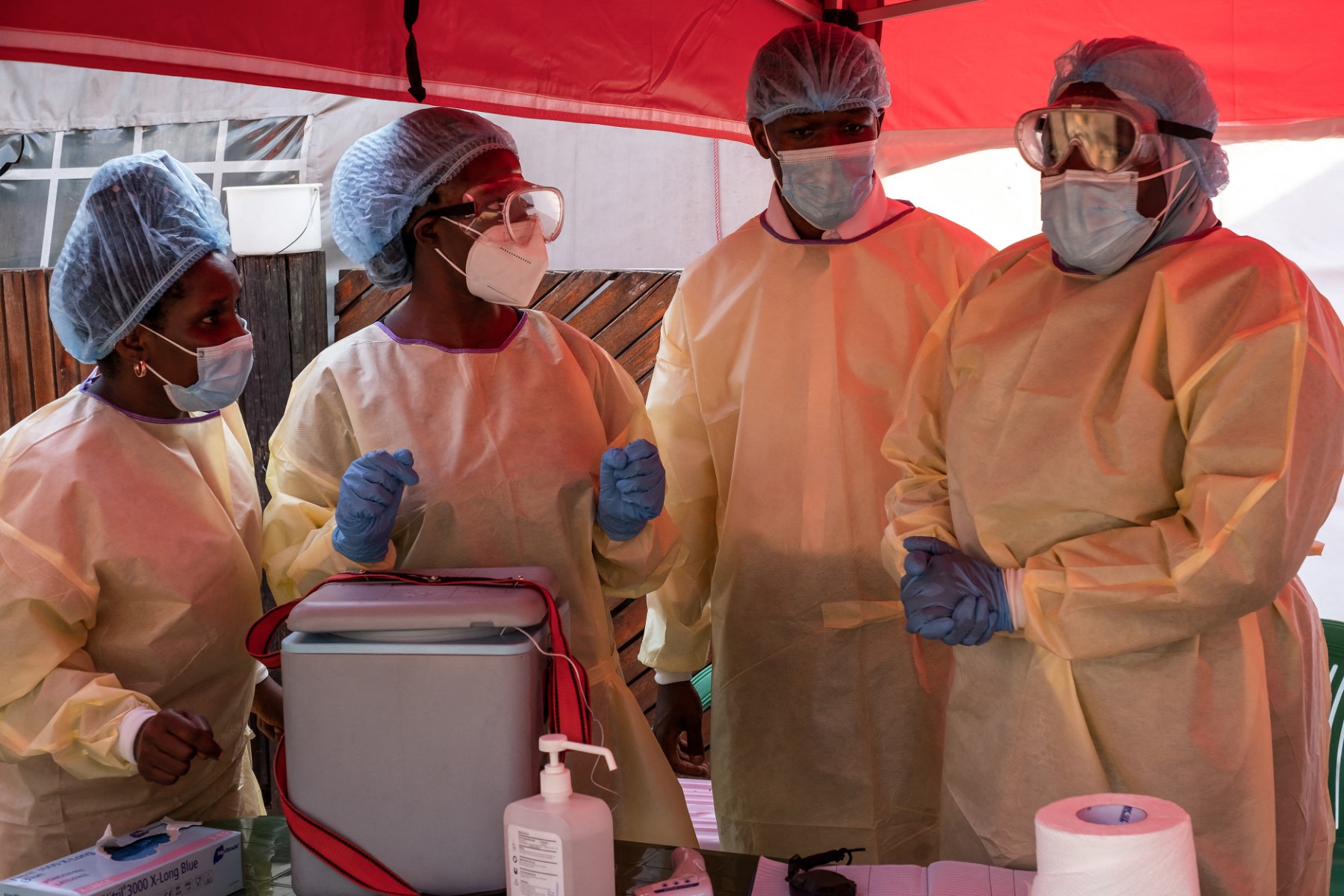
Ebola remains one of the world’s deadliest infectious diseases. Depending on the outbreak and medical response, fatality rates can range between 25% and 90%.
The virus can rapidly damage organs, weaken the immune system, and cause severe bleeding complications.
Vaccine Challenges Remain
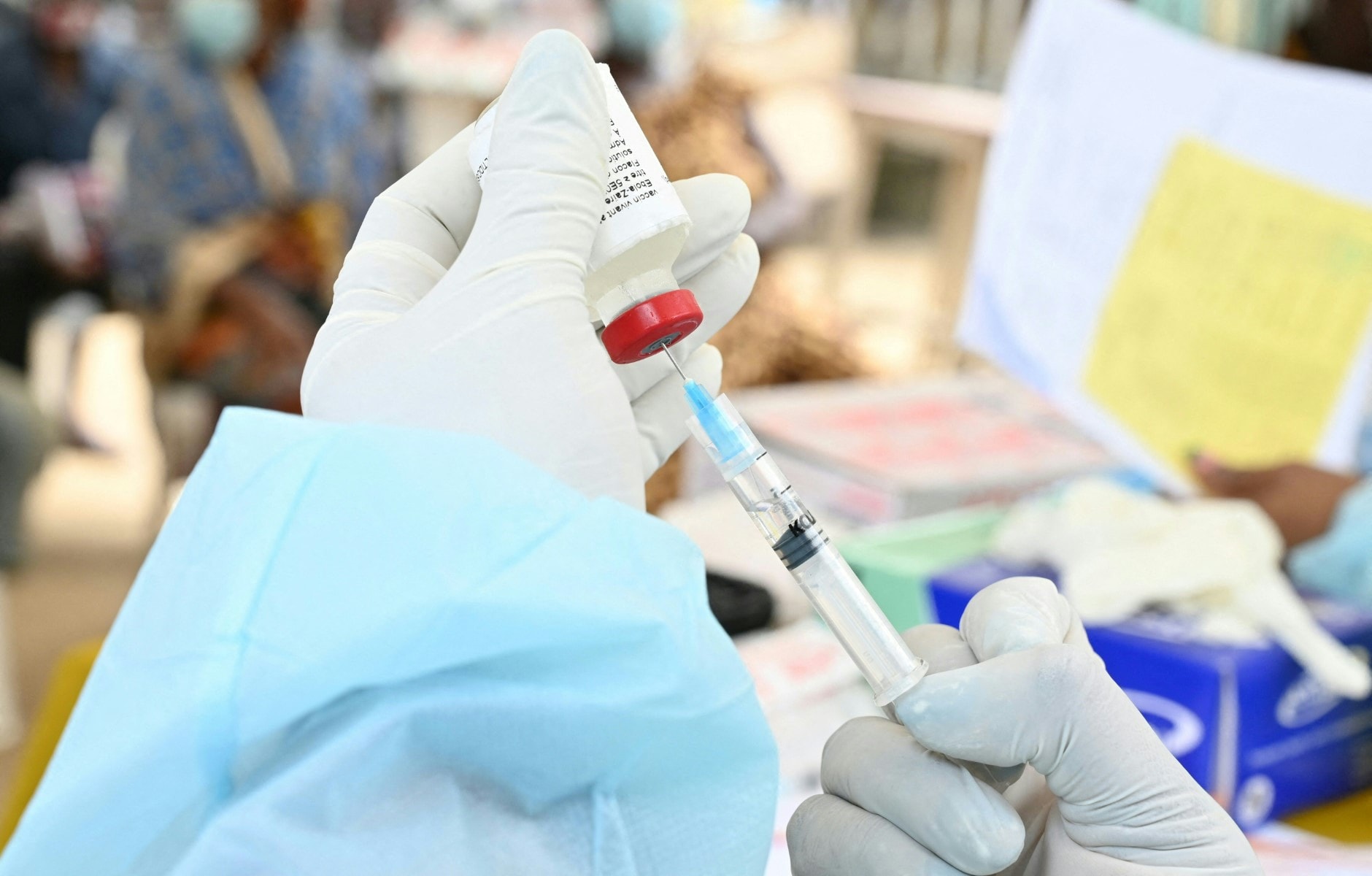
Existing vaccines mainly target the Zaire strain of Ebola. However, the current outbreak reportedly involves the Bundibugyo strain, for which no fully approved vaccine or specific treatment currently exists.
Could Ebola Spread to India?
Experts believe the risk of widespread Ebola transmission in India remains low because the virus is not airborne. However, health authorities stress the importance of airport screening, rapid isolation, and public awareness to prevent imported cases.