
New Delhi, May 19: Health officials in Colorado have confirmed the death of a man from Douglas County after he developed severe hantavirus symptoms linked to rodent exposure. The case has renewed global attention on the rare but potentially deadly virus following a recent outbreak connected to a South American cruise voyage.
What Is Hantavirus?
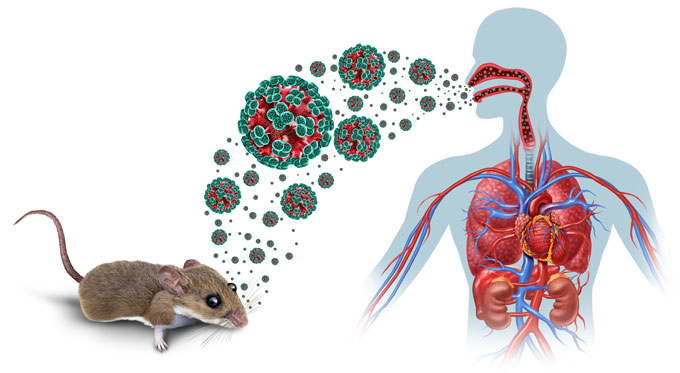
Hantavirus Pulmonary Syndrome is a rare infection spread mainly through contact with infected rodents, particularly their urine, saliva, or droppings. Humans often become infected after inhaling contaminated particles in enclosed spaces such as garages, cabins, and storage areas.
In North America, the virus is commonly linked to deer mice and can cause severe respiratory illness.
Colorado Case Raises Concern
Authorities said the Colorado victim was infected with the Sin Nombre strain, a hantavirus variant commonly found in parts of the United States. Officials clarified that the case is unrelated to the recent South American cruise ship outbreak involving the Andes strain.
The Andes variant is considered especially dangerous because it can spread through close human contact, unlike the Sin Nombre strain.
How the Virus Affects the Human Body
Symptoms usually begin with fever, fatigue, body pain, headaches, and stomach discomfort. However, the condition can worsen rapidly within days.
The virus triggers an extreme immune reaction that damages blood vessels and fills the lungs with fluid, leading to Hantavirus Pulmonary Syndrome. Patients may experience severe breathing difficulty, chest tightness, low oxygen levels, and respiratory failure.
Why the Disease Is So Dangerous
Health experts estimate that severe hantavirus pulmonary syndrome has a fatality rate of around 35–40% in the United States. There is currently no specific antiviral treatment available.
Critical patients often require oxygen support, intensive care, and mechanical ventilation to survive.
Prevention Remains the Best Protection
Experts recommend avoiding direct exposure to rodents and ventilating enclosed spaces before cleaning. Protective masks and gloves should be used in rodent-prone environments, while dry sweeping should be avoided to prevent virus particles from becoming airborne.