Thursday, September 10, 2026
Home Blog Page 1029

India has moved from tax-terrorism to tax-transparency: PM

New Delhi (NVI): Prime Minister Narendra Modi today said that the country is moving from tax terrorism to tax transparency, adding that this change has come due to the approach of Reform, Perform and Transform.

The Prime Minister was speaking after inaugurating office-cum-residential complex of Cuttack Bench of Income Tax Appellate Tribunal through video conference today.

Speaking on the occasion, the Prime Minister said this bench would now provide modern facilities not only to Odisha, but to millions of taxpayers of Eastern and North Eastern India and help in disposing off all the pending cases in this region.

He said rules and procedures are being reformed with the help of technology. “We are performing with clear intentions and at the same time transforming the mindset of the tax administration,” he added.

The Prime Minister said when the difficulties of the country’s wealth creator are reduced, they get protection, then their trust grows in the country’s systems.

The result of this growing trust is that more and more partners are coming forward to join the tax system for the development of the country, he said.

The Prime Minister remarked that along with the reduction of tax and simplicity in the process, the biggest reforms that have been done are related to the dignity of honest taxpayers, to protect them from trouble.

He said the thought process in the government is to trust the income tax return completely at first after being filed. “As a result of this, 99.75 percent of the returns filed in the country today are accepted without any objection. It is a big change in the country’s tax system,” he said.

Also present on the occasion, Union Law Minister Ravi Shankar Prasad said that hearing of around 25 lakh cases has been done through virtual mode from March 24 to August 31.

-ARK
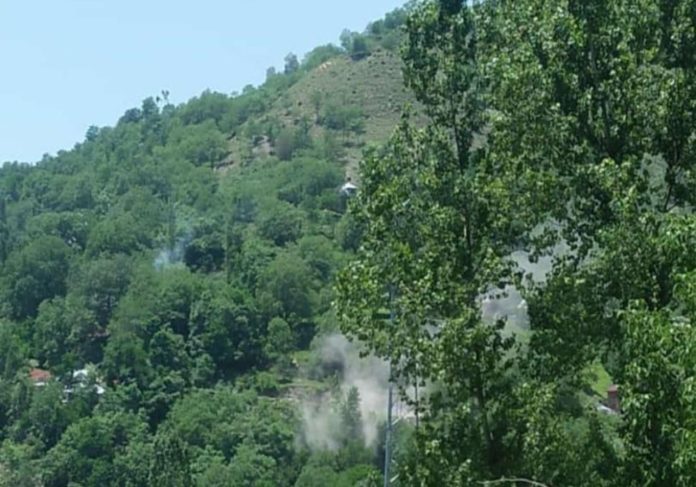
Pak violates ceasefire twice in J&K’s Poonch

(Updating earlier copy)

Jammu (NVI): Pakistani troops today violated ceasefire along LoC in Poonch district of Jammu and Kashmir twice by resorting to small and heavy arms fire while targeting Shahpur, Kirni and Qasba sectors, defence officials said.

Pakistan army shelled the forward areas in Poonch in the morning by firing small arms and mortar shelling, they said.

At about 6 PM in the evening, Pakistan again targeted these areas, they said, adding that the Indian Army was retaliating befittingly.

Pakistan resorted to intense shelling post abrogation of Article 370 last year and continues with frequent unprovoked CFVs in both Kashmir and Jammu regions along LoC.

-CHK/ARK

J&K: People returning to libraries in Srinagar for reading amid Covid restrictions

J&K: People returning to libraries in Srinagar for reading amid Covid restrictions
Lal Chowk (City center/File)

Lubna Fayaz

Srinagar (NVI): People are returning to public libraries here for reading and studying amid a fall in the number of daily Covid cases in J&K and Unlock 5 guidelines in place that were issued last month.

The footfall has gradually increased to at least above 30 people per day at SPS library in Lalchowk that is getting about 13 to 14 books issues every day.

All the SOPs are maintained in the public libraries for the safety of the people, according to Chief Librarian, SPS library, Shazia. The staff is advised to take care of all issued guidelines.

“We adhere to strict guidelines when it comes to public dealing as people from all age groups are associated with it – be it young or elderly,” she said.

Shazia said that initially, only a few people were allowed to in the reading room but now, as the restrictions are easing out, nobody is stopped.

“We allow everyone to read here, however, like earlier we don’t allow group discussions to take place here as that would lead to a crowd and disturb the social distancing,” she added.

The management also keeps books, which are returned by the borrowers, in quarantine, in order to maintain safety.

“We have made it mandatory to keep books closed for two days and they are also sanitized so that there remains no threat of infection,” Shazia added.

She said that students preparing for various competitive exams come here every day and sit for the whole day without any disturbance.

“I cannot concentrate on books at home so I come here every day. This place offers peace. I need this environment to prepare for the exams,” said Qudsia who is preparing for MD after completing her MBBS.

Zubair, another student pursuing B.Tech said, “Initially, I would come here for two to three days in a week only but now as the situation is getting better, I visit every day.”

The libraries are offering an environment which some people miss at their homes or office. “I write so I come here. Writing needs solace and comfort which is best offered around books,” said Mir Altaf.

Mir Altaf further said that he spends most of his days in the SPS library, either reading books or writing down his thoughts. He said that the management is taking care of all SOPs and nobody is allowed in without masks.

Some people also said that they have been craving to visit the libraries during the entire COVID-19 lockdown period.

“I missed the sound of libraries, noise of people, rustling of book pages, I missed it all when we were under complete lockdown. To me visiting a library is next to eating. I need to be around books” said Manzoor Ahmad Wani, an educationist.

-ARK

Streaming platforms, digital news portals now under I&B Ministry

Netflix, Amazon Prime, digital news portals now under I&B Ministry

New Delhi (NVI): The Central Government today issued an order, bringing digital or online Media, films and audio-visual programmes, news and current affairs content under the Ministry of Information and Broadcasting.

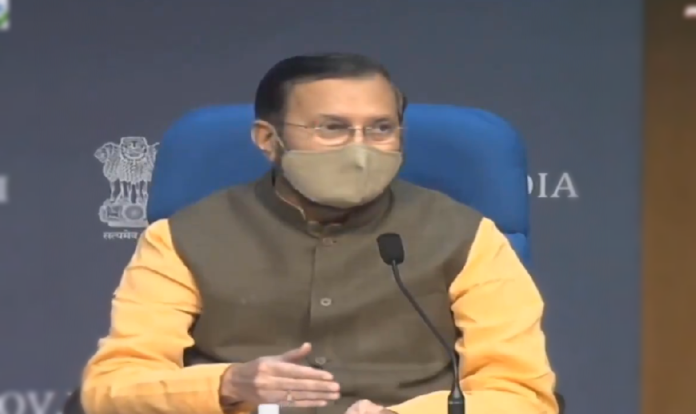
In a notification issued on November 9 declaring that the President has signed the order to include online films, digital news and current affairs content under the purview of the I&B Ministry headed by Union minister Prakash Javadekar.

The new notification means that online curated content providers (OCCPs) such as digital news portals and video streaming platforms like Netflix, Amazon Prime and Hotstar will now come under the I&B ministry.

However, user generated content, like what is streamed on YouTube or Facebook, will continue to remain under Ministry of Electronics and Information Technology (MeitY).

So far, digital media platforms were under the jurisdiction of Ministry of Electronics and Information Technology (MeitY) while other media such as print, television and radio were under the I&B ministry.

But the I&B ministry had been seeking control of digital platforms due to lack of clarity over regulations on content.

With this, the Ministry of Information and Broadcasting has the power to regulate policies related to news, audio, visual contents and films available on online platforms.

-CHK

COVID-19 threatens people with heart diseases, as winter hints at a second wave

COVID-19 threatens people with heart diseases, as winter hints at a second wave

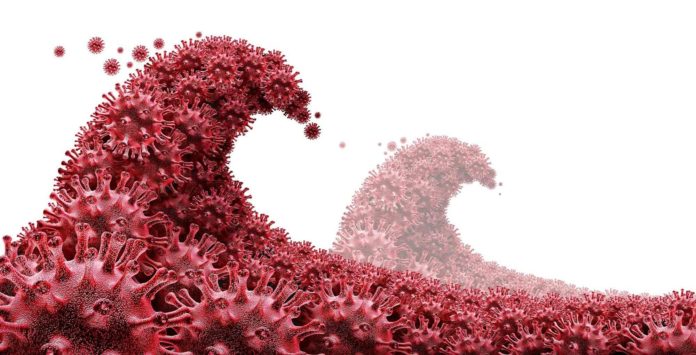
New Delhi (NVI): As the winter cold hints at a second wave, medical experts from Maharashtra say that coronavirus can prove to be more dangerous for heart patients in India as they are more likely to develop heart complications and are likely to die from the deadly contagion.

Notably, according to a major study, researchers from across the globe have found that Covid-19 patients with cardiovascular co-morbidities or risk factors are more likely to develop heart complications while being hospitalized and are likely to die from coronavirus.

Coronavirus crisis is not over yet as many countries have been infected and are still fighting to overcome the pandemic, but now countries fear a second wave of infection all over the world and winter cold intensifies.

Even though, the virus is coming under control in Maharashtra, but cannot go unnoticed.

Giving more information about this, Director of Shushrusha Heart Care and Multispeciality Hospital in Nerul and Cardiologist Dr. Sanjay Tarlekar said, “Winter is considered to be the season of cold and fever. Even after the corona infection, there are fever and chills, so there will be a bit of confusion among the citizens.”

“Therefore, citizens need to take special care in this season. The World Health Organization (WHO) is predicting a second wave of corona and heart disease in winter,”  he added.

Tarlekar further said, “I would like to make an appeal to the citizens of India, especially those people who are staying in a strong winter zone to avoid alcohol and smoking which causes irregular heartbeat, dizziness or chest pain. People with heart disease or high blood pressure should avoid excessive physical activity in winter.”

“Citizens who have had heart surgery or citizens who have heart problems should ensure that their heart is healthy by going through all the necessary heart checkups. It is also important to control blood sugar and cholesterol in winter. Eat less salt in your diet during this season.  Eating too much salt is also bad for your heart health,” the doctor said.

Commenting on prediction of a second wave of coronavirus, Dr. Mayur Jain, senior Interventional Cardiologist from Apex Hospital Mulund said, “No medical conclusions have been drawn as to how the virus will behave in cold across the country.”

“This is the first winter season since the corona pandemic hit India. Public transport was closed during the monsoons, which reduces the number of commuters, but now the situation has changed.  All the main markets and vegetable markets have started in Maharashtra and the pandemic should not be considered an illusion of the past,” Dr Mayur said.

“Patients with high blood pressure, diabetes and heart diseases are urged to take special care.  Wearing a face mask while going out for Diwali shopping, keeping proper distance between two persons and washing hands is also important when you come home from outside.”

-CHK

IFFCO reduces NP fertilisers price

Representational image

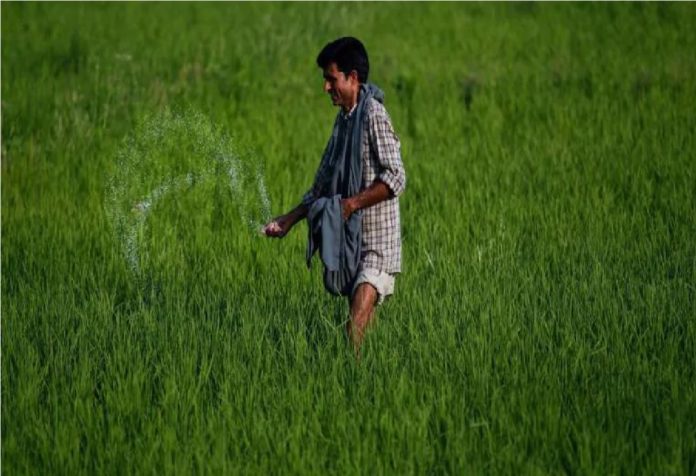
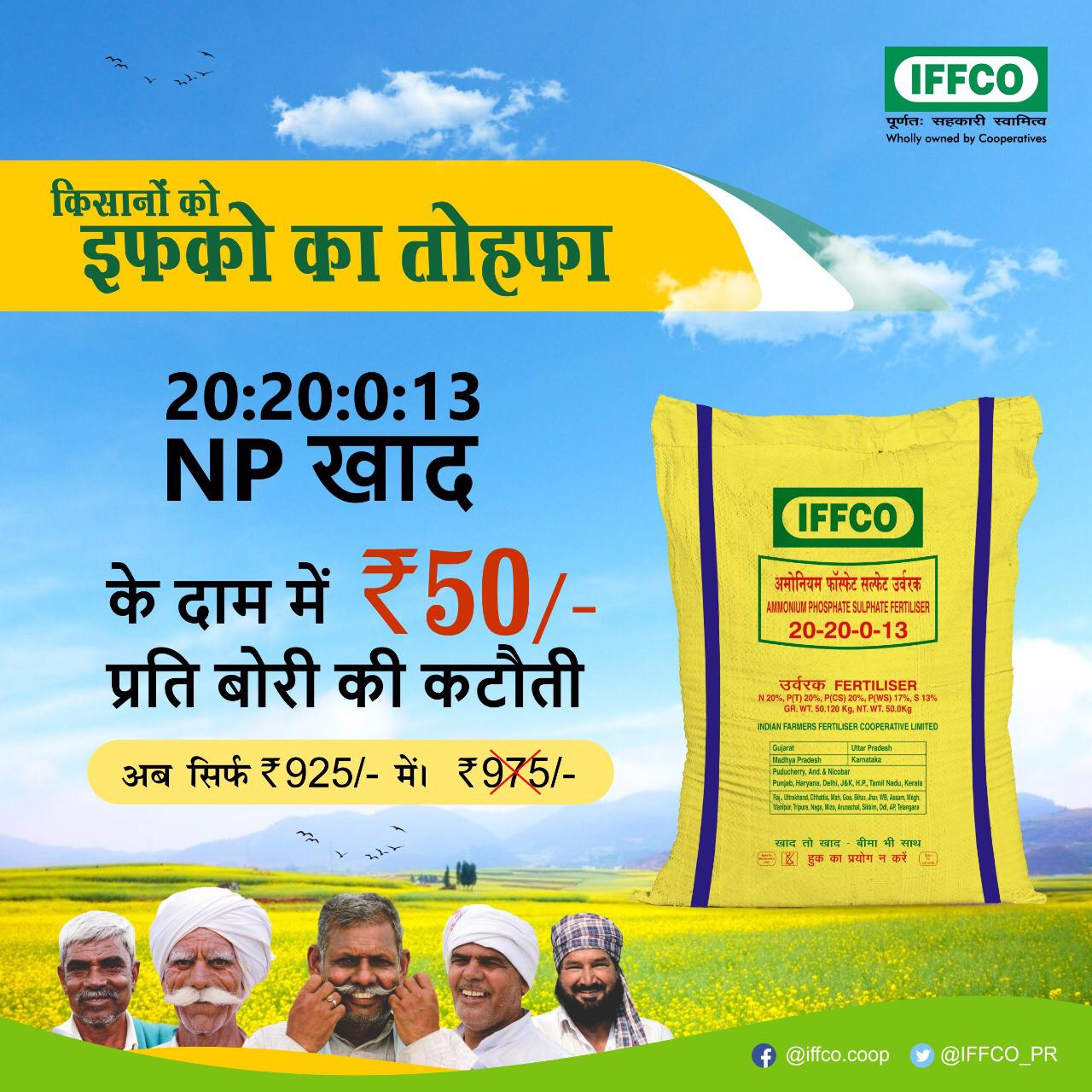
New Delhi (NVI): The state-run fertiliser firm, IFFCO today announced the reduction in the price of NP fertilisers by Rs 50 across India with immediate effect on all stocks.

“This reduction of Rs 50 per bag on NP 20:20:0:13 (Ammonium Phosphate Sulphate) fertilisers reducing agriculture input cost to farmers is inline with Prime Minister Narendra Modi’s vision of doubling the farmers income by 2022,” the Ministry of Chemicals & Fertilizers said in a statement.

IFFCO will keep on reducing prices wherever possible for farmers, it added.

IFFCO

According to an IFFCO statement, the cost is reduced by Rs 1,000 a tonn is done to support to farmers on sulphur, a key input nutrient for the soil.

This nutrient is very important for all type of oilseeds crops, which improves the quality of the crops and also helps in the good growth of the plants.

Earlier in September, IFFCO also announced that they will not increase any cost of DAP and NPK fertiliser in this Rabi season for the farmers.

-RJV

Cabinet approves PLI scheme for 10 key sectors including auto, telecom

New Delhi (NVI): The Union Cabinet, chaired by Prime Minister Narendra Modi today approved the production linked incentive (PLI) scheme in 10 key manufacturing sectors.

This move will enhance India’s manufacturing capabilities, exports and employment, Union Minister Prakash Javadekar while announcing the decision.

The 10 key sectors that will get the benefit of production-linked incentive include automobiles and auto components, pharmaceuticals drugs, specialty steel, capital goods, technology products, white goods, telecom and networking products, textiles, high efficiency solar PV modules and advanced battery cells, an official statement said.

The scheme across these specific sectors will make Indian manufacturers globally competitive and attract investment in the areas of core competency.

It will also give cutting-edge technology, ensure efficiencies, create economies of scale, enhance exports, and make India an integral part of the global supply chain.

The statement further said that, Prime Minister Narendra Modi’s clarion call for an ‘AatmaNirbhar Bharat’ envisages policies for the promotion of an efficient, equitable and resilient manufacturing sector in the country.

“Growth in production and exports of industrial goods will greatly expose the Indian industry to foreign competition and ideas, which will help in improving its capabilities to innovate further,” it said.

Apart from this, “Promotion of the manufacturing sector and creation of a conducive manufacturing ecosystem will not only enable integration with global supply chains but also establish backward linkages with the MSME sector in the country. It will lead to overall growth in the economy and create huge employment opportunities,” the statement added.

The PLI scheme will be implemented by the concerned ministries and departments and will be within the overall financial limits prescribed.

However, the final proposals of PLI for individual sectors will be approved by the expenditure finance committee (EFC) and Union Cabinet, the statement noted.

“Savings, if any, from one PLI scheme of an approved sector can be utilized to fund that of another approved sector by the Empowered Group of Secretaries. Any new sector for PLI will require fresh approval of the Cabinet,” it added.

-RJV

LED streetlights by EESL enable energy savings in Haryana, MP

36.69 crore LED bulbs distributed, 1.14 crore LED streetlights installed in 6 yrs: EESL

New Delhi (NVI): Energy Efficiency Services Ltd (EESL), a joint venture under the Union Ministry of Power, has illuminated the streets of Haryana and Madhya Pradesh, while enabling considerable energy savings in the two states.

Through its Street Lighting National Programme, EESL has created a new energy paradigm in Haryana and MP, with immense emission reductions along with energy and savings.

Under the programme, Madhya Pradesh saw 1,05,868 LED streetlight installations that led to energy savings of 71.11 Mega Units (MU). The EESL initiative also helped the state to achieve a greenhouse gas (GHG) reduction of 0.5 million tCo2 and a further reduction of 11.85 megawatt peak.

Haryana also saw an equal number of LED installations and achieved similar levels on other parameters like GHG reduction, energy savings and electricity demand reduction.

Earlier this month, the Andhra Pradesh government said that EESL will be helping the state government in establishing solar plants with the capacity of 10,000 megawatts.

-ARK

Russia’s Sputnik V coronavirus vaccine 92% effective: Interim trial results

Vaccine Registration
Representational Image

New Delhi (NVI): Russia’s coronavirus vaccine candidate, Sputnik V, has shown a 92 per cent effectiveness rate at protecting people from COVID-19 infection, the country’s sovereign wealth fund said today.

The efficacy was demonstrated on the basis of a first interim analysis obtained 21 days after the first injection, the Russian Health Ministry, Gamaleya and Russian Direct Investment Fund (RDIF) said in a joint statement.

“The Sputnik V vaccine efficacy amounted to 92% (calculation based on the 20 confirmed COVID-19 cases split between vaccinated individuals and those who received the placebo),” the statement said.

Currently, 40,000 volunteers are taking part in double-blind, randomized, placebo-controlled Phase III of Sputnik V clinical trials.

The statement further said, on November 11, as part of the clinical trials in Russia’s 29 medical centers, more than 20,000 volunteers were vaccinated with first dose and over 16,000 volunteers with the first and the second dose of the vaccine.

However, no unexpected adverse events were identified as part of the research. Some of those vaccinated had short-term adverse events such as pain at the injection site, flu-like syndrome including fever, weakness and headache.

At present, Sputnik V, Phase III clinical trials are approved and are undergoing in Belarus, the UAE, Venezuela and other countries, as well as Phase II-III in India.

Russia became the first country to register the world’s first COVID-19 vaccine on August 11, the company said, adding that, the Gamaleya Centre team will publish the interim research data in one of the leading international peer-reviewed medical journals.

Minister of Health of the Russian Federation, Mikhail Murashko said, “The use of the vaccine and the results of clinical trials demonstrate that it is an efficient solution to stop the spread of coronavirus infection, а preventive healthcare tool, and this is the most successful path to defeat the pandemic.”

-RJV

Delhi’s air quality slips back into ‘very poor’ category

air quality
File photo

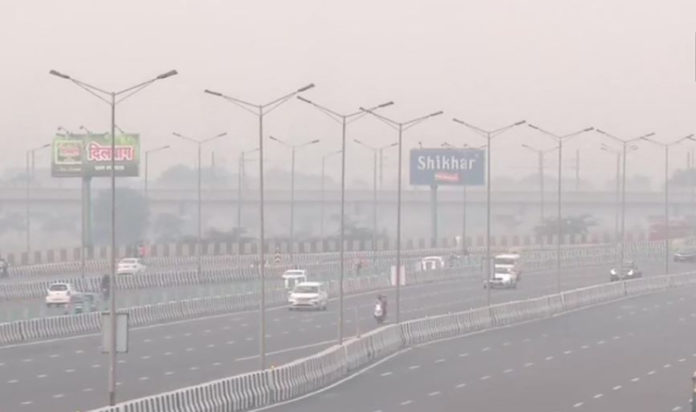
New Delhi (NVI): Delhi’s air quality slipped back into the “very poor” category today after remaining in the “severe” category for almost a week on the trot, with a change in the wind direction reducing the contribution of stubble burning in city’s pollution.

The city recorded an air quality index (AQI) of 388 at 9 am. The 24-hour average AQI was 476 on Tuesday.

However, the visibility in the city has reduced considerably due to the smog and haziness.

Reportedly, the national capital witnessed six “severe” air days till Tuesday. It had recorded seven “severe” air days in November last year.

Furthermore, the neighbouring cities of Faridabad (345), Ghaziabad (390), Noida (339), Greater Noida (322), and Gurugram (309), which fall in the National Capital Region (NCR), also recorded “very poor” air quality.

An AQI between 0-50 is considered good, 51-100 is satisfactory, 101-200 moderate, 201-300 poor, 301-400 very poor and 401-500 is marked as severe/hazardous.

In addition to this, the city recorded a minimum temperature of 11.4 degrees Celsius on Wednesday morning. Calm winds and low temperatures trap pollutants close to the ground, while favourable wind speed helps in their dispersion.

-CHK

MUST READ