Monday, June 22, 2026
Home Blog Page 1278

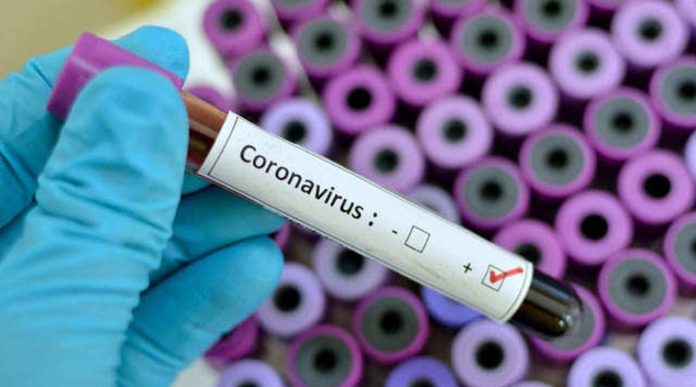
Coronavirus cases exceed 6.3 million worldwide

Coronavirus cases

New Delhi (NVI): More than 6.38 million coronavirus cases have been confirmed around the world with the death toll soaring past 3,80,000, according to data from Johns Hopkins University.

Reportedly, Brazil recorded 1,262 deaths from COVID-19 in the last 24 hours, hitting another daily record. The total number of cases in the country stands at 5,55,383 with more than 31,000 causalties being reported due to the deadly contagion.

Brazil, Peru and Mexico are among countries easing restrictions even as cases increase rapidly.

Mexico has recorded 3,891 new novel coronavirus patients, the highest number of cases identified in a single day since the pandemic began, taking the total cases to 97,326.

Meanwhile, the number of coronavirus cases in Peru rose to 1,74,884, an increase of 4,845 from the previous day, according to the country’s health ministry.

In the US, more than 1.8 million cases have been recorded, including over 1,06,000 deaths.

New Zealand could return to ‘normal life’ as early as next week but borders will remain closed.

Prime Minister Jacinda Ardern says she will decide on Monday whether to reduce the country’s alert level to one, more than two months after she imposed a strict, level four, lockdown.

India’s COVID tally crosses 2.07 lakh; death toll 5,815

New Delhi (NVI): The total number of coronavirus cases in India has risen to 2,07,615 and fatalities from the virus have gone up to 5,815, according to Union Health Ministry.

At least, 1,00,303 patients have been cured of the virus or discharged.

In the past 24 hours, 8,909 fresh COVID-19 infections and 217 deaths were reported in the country.

In terms of total number of cases, Maharashtra continues to be the worst affected state with 72,300 coronavirus cases followed by Tamil Nadu with 24,586 and Delhi with 22,132 positive cases.

The other worst affected states are Gujarat (17,615), Rajasthan (9,373) Madhya Pradesh (8,420) and Uttar Pradesh (8,361).

In terms of deaths, Maharashtra tops the tally with 2,465 fatalities, ministry said.

The death toll in the national capital surged to 556 while another 9,243 patients have recovered so far, healthy ministry data shows.

Apart from this, total 41,03,233 samples have been tested till now, of which 1,37,158 samples have been tested in the last 24 hours, as per Indian Council of Medical Research (ICMR) data.

Meanwhile, Prime Minister Narendra Modi yesterday said that strengthening the economy is one of the top priorities alongside fighting coronavirus.

J&K: Covid frontline worker, 14 pregnant women among 117 new cases

Abid Bashir

Srinagar (NVI): A frontline Covid warrior and 14 pregnant women were among 117 fresh positive cases reported in Jammu and Kashmir today, taking the total number of cases in the UT to 2,718.

Officials said that among the 117 fresh cases, there were 14 pregnant women as well, who tested positive for the deadly virus. With this, the number of pregnant women who have been infected by the deadly virus has gone up to 90, majority of whom belong to Kashmir’s rural areas.

Among the new cases is Kashmir’s leading pulmonologist and a Covid-19 warrior, Dr Naveed Nazir, who is Head of Department of Chest Diseases Hospital Srinagar, who was on the forefront of the battle against Covid-19, officials said.

Dr Naveed confirmed himself through his post on Twitter saying, “I have tested positive for the virus and I have gone under quarantine. I am doing my work in whatever way possible from the quarantine.

Officials said that among 117 new cases, 22 were tested positive at SKIMS Soura, 44 at CD hospital, 6 at JVC Bemina, 19 at Army’s Command Hospital, Udhampur, besides other private labs.

Among 117 new cases, 77 belong to Kashmir division while 40 are from Jammu division, officials said, adding that the total number of positive cases in Kashmir division has reached 2,076 including 818 recoveries and 29 deaths while the total number of positive cases in Jammu division has reached 642 including 135 recoveries and 4 deaths.

They added that the total number of active cases in Jammu and Kashmir are 1731 including 1229 from Kashmir division and 503 from Jammu division.

Cases tested positive in J&K include 11 from Kulgam, 15 from Srinagar, 8 from Budgam, 10 from Kupwara, 7 from Shopian, 7 from Baramulla, 5 from Bandipora and 14 from Pulwama in Kashmir division while 40 from Jammu include 13 from Jammu, 9 from Ramban, 2 from Kathua, 2 from Udhampur, 1 from Samba district, 9 from Poonch, 3 from Rajouri and one from Doda.

As per officials figures, 349 positive cases including five deaths and 126 recoveries are from Anantnag, 311 including four deaths and 32 recoveries are from Kulgam, 305 including seven deaths and 141 recoveries are from Srinagar, 289 including 76 recoveries and one death is from Kupwara, 245 including 103 recoveries and six deaths are from Baramulla, 181 including 108 recoveries and three deaths are from Shopian, 151 including 134 recoveries and 1 death from Bandipora, 119 including 61 recoveries and two deaths are from Budgam, 34 including 24 recoveries are from Ganderbal and 92 including 13 recoveries are from Pulwama.

In Jammu, 157 including 41 recoveries and two deaths are from Jammu district, 153 including 16 recoveries are from Ramban, 80 including 27 recoveries are from Kathua, 69 including  26 recoveries and 1 death is from Udhampur, 45 including 13 recoveries from Samba, 49 are from Poonch, 36 including 5 recoveries are from Rajouri, 14 including 3 recoveries area from Reasi, 12 including 3 recoveries is from Kishtwar, 27 including 1 recovery and 1 death is from Doda.

As per the daily information bulletin, 185,119 persons in Jammu and Kashmir are under observation while 43,635 persons have been kept under home quarantine besides that 1732 persons are in hospital isolation while as 43 persons are under hospital quarantine.

According to the bulletin, 89,456 persons have completed surveillance period and 50,220 persons are under home surveillance besides that so far results of 180,349 samples are available.

Out of 1,80,349 samples, 180,349 have tested negative while 2718 have been tested positive. Among positive cases, 1732 are active and 953 persons have recovered while 33 persons have died.

Trump invites PM Modi for G-7 Summit

Prime Minister Narendra Modi and US President Donald Trump. (File)

New Delhi (NVI) US President Donald Trump today invited Prime Minister Narendra Modi to attend the next G7 summit to be held in the US.

Both the leaders had a telephonic conversation today and President Trump spoke about the US Presidency of the Group of Seven, and conveyed his desire to expand the ambit of the grouping beyond the existing membership, to include other important countries including India, according to a statement by Prime Minister’s Office.

“In this context, he extended an invitation to Prime Minister Modi to attend the next G-7 Summit to be held in USA,” the PMO said.

Responding to the invitation, PM Modi commended President Trump for his creative and far-sighted approach, acknowledging the fact that such an expanded forum would be in keeping with the emerging realities of the post-COVID world.

He said that India would be happy to work with the US and other countries to ensure the success of the proposed Summit.

Apart from this, the PM expressed concern regarding the ongoing civil disturbances in the US, and conveyed his best wishes for an early resolution of the situation, PMO said.

The two leaders also exchanged views on other topical issues, such as the COVID-19 situation in the two countries, the situation on the India-China border, and the need for reforms in the World Health Organisation.

During the conversation, President Trump warmly recalled his visit to India in February this year. Prime Minister Modi said that the visit had been memorable and historic on many accounts, and had also added new dynamism to the bilateral relationship.

Need to prioritise Early Childhood Development in Covid-19 response: UNICEF

(Pic credit: @UNICEFBotswana)

New Delhi (NVI): There is an urgent need to prioritise investments in Early Childhood Development (ECD) including focus on parenting within the COVID-19 response, the UNICEF said today while warning that young children face disproportionate risk and irreparable loss amid the pandemic.

The UN body reiterated the urgent need to prioritise ECD as the world celebrates the Global Day of Parents (1 June). “This is critical to minimise preventable child deaths, to prevent violence against children, and to drive economic recovery and productivity in the longer term,” UNICEF said in a statement.

The international body said that in times of shock, services to support young children are often not prioritized and end up being overlooked, leading to young children being disproportionately affected. “Already scarce resources will likely be diverted to the pandemic response. Along with governments, families and communities also need to understand their role and importance of building a nurturing and protective environment for children,” it said.

A UNICEF led formative study ‘Parenting Matters: Examining Parenting Approaches and Practices, to assess knowledge, attitudes and practices of parents, families and service provider on parenting (2019), the key findings of which were released today, suggested that there is an urgent need to take action against the kind and amount of violence children were facing.

Among the key findings, at least 30 different forms of physical and verbal abuse are reported as part of disciplining efforts. Punishment is a widely accepted method to discipline children for both boys and girls in families, schools and at the community level for both girls and boys.

Girls and boys are raised very differently from a very early age – with the burden of household chores, day to day restrictions, being imposed more on girls by fathers. Mothers are the main caregivers for children while fathers are much less involved.

While male caregivers took children outdoors, mothers are more involved in enabling indoor stimulation through storytelling and singing, among others, the study finds.

Apart from this, the research outlines the various forms of violence against children resorted to in the household – physical violence (burning; pinching; slapping; beating with implements like stick, belts, rods) Verbal abuse (blaming; criticizing; shouting; use of foul language); Witnessing physical violence (towards one parent; towards siblings; outside the family) and Emotional abuse (restricting movement; denying food; discrimination; instilling fear).

Dr Yasmin Ali Haque, UNICEF Representative in India said, “Our experience in Ebola crisis shows us that young children are more likely to experience violence, abuse and neglect as families struggle to cope, that could have a lifelong impact on them. Awareness on positive parenting practices are relevant now more than ever to promote both mental and physical well-being of children. Supporting parents and caregivers to provide young children with nurturing care in times of crisis is essential.”

CHILDLINE 1098, which has been declared an emergency service by the Minister of Women and Child Development, has indicated that during two weeks of the lockdown in April, the number of calls of children in distress had increased by 50 per cent.

UNICEF says that restrictions in movement and closure of preschools and schools due to lockdown has put immediate pressure on parents for their children’s survival, care and learning. This added stress can lead to potential violence against children.

“When a child experiences physical or emotional abuse, neglect, exposure to violence, or burdens of economic hardship, without adult support, this triggers their stress response. Prolonged stress can have a lasting impact on an individual’s physical and mental health—for a lifetime,” UNICEF said.

Research indicates that supportive, responsive relationships with caring adults as early in life as possible can prevent or reverse the damaging effects of toxic stress response. Therefore, parents need practical ideas on positive parenting, as well as dealing with stress and mental health issues.

Under COVID-19, there is an immediate need to designate child protection services as essential services, UNICEF recommends. The response must include provision of critical health and social welfare and child protection services, including mental health and psychosocial support, and alternative care arrangements. These services should be available to all, including children as migrants, those without parents, to ensure the protection for the most vulnerable children.

Communicating with and engaging parents, caregivers and children with evidence-based information and advice is essential. The study recommends building skills of frontline workers to better engage with caregivers. It also highlights the need for quality engagement of fathers in caregiving to support their child’s development.

In India, states like Maharashtra, Odisha, Chhattisgarh, Assam, Rajasthan and Uttar Pradesh are forerunners in implementing innovative parenting programmes, that other states can adopt. With UNICEF support, parents, especially fathers, are being provided the information and skills to use material easily available in and around their homes.

This has led to better and more parental engagement through storytelling, singing and playing with the child – all critical for a child’s brain development. This is being done through training of Anganwadi and ASHA workers, so they can use their existing platforms effectively for parent engagement such as through monthly parent meetings and home visits. States are also organizing community events to involve all parents and caregivers around the importance of Eat, Play and Love, such as Palak (caregiver) Mela, in Maharashtra.

Apart from that, UNICEF, together with partners, is also releasing several tools, resources, tips for parents to effectively engage with children on its website. In 2019, UNICEF reached with several community-based partners 1.2 million parents and caregivers with parenting programmes.

Coronavirus cases in Bangladesh surge past 52,000

(Image source: United News of Bangladesh)

New Delhi (NVI): Bangladesh saw the biggest jump in coronavirus cases in a day with the detection of record 2,911 new cases in the last 24 hours, taking the total number of confirmed cases to 52,445.

The country also recorded a total of 37 death due to the novel coronavirus during this period, raising the death tally to 709, according to United News of Bangladesh.

So far, a total of 11,120 people have recovered from the deadly contagion, after 523 more patients made recovery.

Against the total number of detected cases, the recovery rate is 21 percent and the mortality rate is 1.35 percent in country.

In addition to this, a Rohingya man has died from coronavirus while undergoing treatment at the isolation centre at Ukhiya camp in Cox’s Bazar yesterday night.

Afghanistan COVID tally crosses 16,500; death toll 270

New Delhi (NVI): Afghanistan witnessed a rise in coronavirus cases with 759 new cases, taking the overall tally to 16,509 across the country, according to Afghan media reports

In the past 24 hours, five patients have died due to COVID-19 virus in the country.

Among the fresh cases, 266 were reported in Kabul, the country’s hardest-hit area.

In addition, 212 positive cases were reported in Herat, 66 in Paktia, 39 in Balkh, 34 in Nangarhar, 27 in Baghlan, 21 in Bamiyan, 25 in Khost, 18 in Faryab, 17 in Takhar, 18 in Ghazni.

Likewise, four cases in Parwan, two in Samangan, seven in Kapisa a three in Badakhshan.

The Ministry of Public Health said 1,450 people have recovered while 270 died from the respiratory disease in Afghanistan.

So far, 35,921 people have been tested for Covid-19 in the country, as per media reports.

Meanwhile, the Afghan officials urged people to wear face masks in crowded places, practice social distancing and maintain personnel hygiene.

Pakistan COVID-19 tally tops 77,000; death toll at 1,644

New Delhi (NVI): Pakistan is witnessing a sharp surge in the number of positive coronavirus cases as nearly 3,500 new cases were reported in the last 24 hours, taking the overall tally to 77,837 with at least 1,644 fatalities recorded so far.

Looking at the breakdown of cases, Sindh province has reported 31,086 coronavirus cases, highest among all the provinces, while Punjab has 27,850 positive cases.

On the other hand, Khyber-Pakhtunkhwa has recorded 10,027 cases, Balochistan is at 4,514, Gilgit-Baltistan at 738, Islamabad at 2,893 and Pakistan-occupied Kashmir is at 271 cases so far, according to Geo News.

The country’s Health Ministry stated that 26,083 patients have been recovered so far from the virus.

Meanwhile, the Balochistan government has extended the lockdown in the province till June 16, according to a notification issued by the Home Department.

Growth will be back: PM assures India Inc at CII Annual Session

New Delhi (NVI): Prime Minister Narendra Modi today urged the industry leaders to take an oath to make India self-reliant while sharing his vision on ‘Getting Growth Back’ at the annual session of Confederation of Indian Industry’s (CII).

Addressing India Inc through a video conference on the 125th anniversary of CII, PM Modi said that the economic growth will soon be on track as the government continues to pursue multiple reforms.

As the country enters the fifth phase of the nationwide lockdown, he said that with ‘Unlock-1’, India has already begun getting its growth back.

“On the one hand, we have to take strict steps to fight this virus and save the lives of the countrymen and on the other hand we have to stabilise the economy and speed it up,” PM said.

He said that his trust in India’s Capabilities and Crisis Management, in India’s Talent and Technology, in its Innovation and Intellect of India, in the Farmers of India, MSME’s, Entrepreneurs makes him confident about getting the growth back.

“One of our highest priorities is to strengthen the economy against corona. The Government is taking decisions that are important at this time and they will help the country in the long run as well,” he added.

The PM also listed the steps taken by the Government in helping people during this crisis situation. “Pradhan Mantri Garib Kalyan Yojana has helped a lot in providing immediate benefits to the poor. Ration has been delivered to about 74 crore Beneficiaries under this scheme. Free ration is also being provided to migrant workers,” he said.

“During the lockdown, the government has delivered more than 8 crore gas cylinders to the poor – that too free. 50 lakh private employees have got the Government contribution of 24% of EPF amount in their bank accounts, which amounts to Rs.800 Crore,” PM added.

The PM further stated that Intent, Inclusion, Investment, Infrastructure and Innovation are crucial for India to revert back to a high-growth trajectory.

“For us, reforms are not any random or scattered decisions. For us reforms are systemic, planned, integrated, inter-connected and futuristic process,” the prime minister said.

Apart from that, PM listed out the initiatives of the Government to make an encouraging ecosystem for private enterprises like Insolvency and Bankruptcy Code (IBC), Bank merger, GST and Faceless IT assessment.

Talking about several policy reforms done by his government. He said that after amendment in Agricultural Produce Market Committee (APMC) Act, now farmers have the right to sell to anyone, in any state of the country.

The PM said that labour reforms are being done to increase employment opportunities, keeping the welfare of our workers in mind. Non-strategic sectors in which the private sectors were not allowed, have also been opened. Commercial mining is now allowed in the coal sector, he added.

Micro, Small and Medium Enterprises (MSME) sector is like an economic engine of our country and contributes around 30% of the GDP, he said, adding that a long time demand of the industry to update the definition of MSMEs has been fulfilled.

“This will enable MSMEs to grow without any worries and they will not have to follow other paths to maintain the status of MSMEs. Global tenders have been scrapped in government procurement of up to Rs 200 crores to benefit crores of associates working in MSMEs of the country,” he said.

Apart from that, PM said India has helped more than 150 countries with medical supplies amid the Covid pandemic. He said the world is looking for a trusted, reliable partner. “In India, there is a potential, strength and ability,” he said while urging the industry to take “full advantage of the trust that has developed towards India”.

The Prime Minister further stressed the need to invest for the creation of a Robust Local Supply Chain that strengthens India’s stake in the Global Supply Chain. He gave a call for big institutions like CII to come forward in a new role post-Corona to make India self reliant. He stressed for the need to have products made in the country, made for the world. He urged the industry to set targets to increase productivity in all sectors. He also lauded the industry for having created Personal Protective Equipments – PPEs industry worth hundreds of crores within 3 months.

The PM also urged the industry to take full advantage of opening up investment and partnership with farmers in the rural economy.

288 new COVID-19 cases reported in Nepal, tally at 2,099

Representational image

New Delhi (NVI): Nepal registered 288 new cases of coronavirus, the highest single day spike, taking the national tally to 2,099, according to local media reports.

The country’s Ministry of Health and Population said the country’s COVID-19 tally has raced past 2,000 to 2,099, fast approaching 2,100 cases.

Among the newly infected, 270 are males while 18 are females, the ministry said.

At present, 61 of the 77 districts and all the Provinces have witnessed the transmission of COVID-19 virus.

As many as 168 cases have been detected in nine districts of Province 1; 816 cases have been seen in eight districts of Province 2; and 54 cases in 12 districts of Bagmati Province.

Likewise, 37 cases have been reported in seven districts of Gandaki Province; 699 cases in 11 districts of Province 5; 252 cases in five districts of Karnali Province; and 73 cases in nine districts of Sudurpaschim Province.

With this, 1,949 males and 150 females have been infected with the virus across the country.

So far, eight people have died of coronavirus in Nepal and 266 people have been cured form the virus and discharged.

MUST READ