Friday, April 24, 2026
Home Blog Page 1342

Govt says its response to COVID-19 has been proactive

New Delhi (NVI): In the wake of questions over its handling of coronavirus crisis, the central government today said it has been proactive, pre-emptive and graded in its response to the challenge.

The government said it took swift action to put in a place a comprehensive and robust system of screening, quarantine and surveillance as part of its response to the public health crisis right quite early. This covered every traveller, Indians returning after business, or tourism, students as well as foreigners.

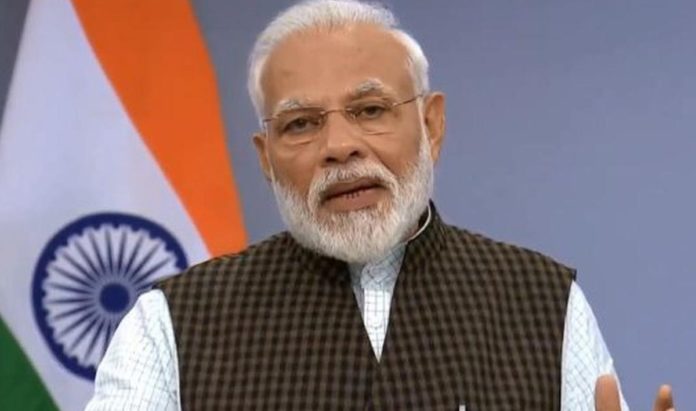
The government assertion came amidst allegations that the 21-day nationwide lockdown, announced on March 24 by Prime Minister Narendra Modi to contain coronavirus, was without prior planning.

These allegations gained momentum as lakhs of migrant labourers remain stranded without food and supplies in several cities due to the lockdown.

The government countered criticism that its response system was lenient towards foreign travellers. The allegations that ‘prosperous Indians’ were allowed to return without screening, is preposterous, it said.

The Centre released a timeline of its actions since the breakout of the coronavirus pandemic to buttress its point.

The government said, India acted much before WHO declared COVID-19 as a public health emergency of international concern on January 30, to put in place a “comprehensive response system” at its borders.

Screening of incoming air passengers was followed by suspension of visas and and ban on international flights was much ahead of any other country.

The government said Italy and Spain, which are devastated by COVID-19, started screening of travellers after 25 days and 39 days, respectively, of the first reported case.

Though the first case of coronavirus was detected in India on January 30, India started the thermal screening of incoming international passengers coming from China and Hong Kong on January 18 itself.

Meanwhile, screening of passengers at 30 a12 major and 65 minor ports and at land borders covered over 36 lakh passengers, the Centre said.

It had also started intensive coordination with the States. “A meticulous system has enabled States to track down individuals who tried to avoid surveillance or who did not not follow quarantine,” the government said, adding that 20 video conferences by Union Health Secretary with State Governments and six by the Cabinet Secretary with the State Chief Secretaries have been held to review the preparedness.

2 million items of protective gear shipped to 74 countries: WHO chief

COVAX
WHO chief Tedros Adhanom Ghebreyesus

New Delhi (NVI): The World Health Organization (WHO) has shipped almost two million pieces of Personal Protective Equipment (PPE) to 74 countries and is preparing to send a similar amount to a further 60 countries.

In a virtual news conference in Geneva, WHO Director-General Tedros Adhanom Ghebreyesus said, “One of the most pressing challenges was the lack of protective gear for the healthcare workers. The chronic, global shortage of PPE is one of the most urgent threats to our collective ability to save lives.”

This issue of lack of protective gears was addressed in a meeting earlier attended by WHO chief in which Health Ministers of 50 countries, including China and Singapore, took part and addressed the issues faced by the countries in eliminating and fighting the pandemic.

Tedros said that the issues addressed also included the need for early detection and isolation of confirmed case, the need for identification., follow-up and quarantining of contacts, as well as the need to optimize care, build trust and engage communities in the fight.

“A dire lack of protective gear for health workers battling the COVID-19 pandemic is one of the most pressing threats in the fight to prevent deaths. When health workers are at risk, we’re all at risk,” Tedros further added.

WHO chief said, “This problem can only be solved with international cooperation and solidarity.”

He concluded the press briefing by quoting a line that Singapore’s Health Minister said during the meeting that, “We are only at the beginning of this fight. We need to stay calm, stay united and work together.”

Air quality gets better in India after COVID-19 lockdown

New Delhi (NVI): The Pollution levels in country have been steadily improving due to nationwide lockdown and weather changes to be seen in India’s metro cities.

The entire country has been put under a 21-day lockdown as a measure to curb the spread of the coronavirus.

With very few vehicles on the streets, and even fewer factories running, air quality got better in just first 4 days of lockdown. People in some of the world’s biggest cities appear to be breathing air with relatively safer levels of pollutants.

The System of Air Quality Weather Forecasting and Research (SAFAR) report said, Delhi’s smog makes the news every winter but a “satisfactory” air quality rating was seen on Saturday morning – just like Mumbai, Ahmedabad and Pune.
Hide quoted text

Stations in Chennai, Hyderabad, Bengaluru and Kolkata reported similar or better air quality, according to Central Pollution Control Board (CPCB) data.

Apart from that, pollution levels in Delhi-NCR have been steadily improving due to country wide lockdown.

According to the Air Bulletin issued by the Central Pollution Control Board, Delhi’s air index was recorded at just 69 on Friday. Among NCR cities, 75 in Faridabad, 72 in Ghaziabad, 93 in Greater Noida, 42 in Gurugram and 60 in Noida were recorded.

Meanwhile, in Delhi, the minimum temperature today was recorded at 16 degrees Celsius, according to IMD.

However, winds of all places were recorded in good range.

Coronavirus cases in US reach 1,04,686

Coronavirus

New Delhi (NVI): The number of positive cases due to coronavirus pandemic in the United States has reached 1,04,686 today, with the total number of fatalities surpassing 1,700, according to John Hopkins University data.

With this, the global death toll has also surged past 27,000 with over 177 countries being affected due to the contagion worldwide.

Meanwhile, the death toll in Italy and Spain is rapidly increasing with Italy reporting around 900 new deaths and taking the total death toll to 9,134. On the other hand, Spain also reported 796 deaths taking the total to 5,138 deaths in the country, according to the media reports.

In another development, UK’s Prime Minister Boris Johnson has tested positive for coronavirus and is self-isolating himself in Downing Street.

In a video on twitter, the PM said that he had experienced mild symptoms over the past 24 hours, including a temperature and cough, but would continue to lead the government.

In China, although the number of cases coming from abroad continue to rise, but there were no new cases reported domestically.

Globally, the cases have reached more than 5,97,000, of which around 1,31,000 cases have recovered.

COVID-19 death toll goes up to 19 in India, total cases rise to 918

(Updating earlier copy)

New Delhi (NVI): The total number of coronavirus cases in India rose to 918 today and 19 people have died from the pandemic, according to the Health Ministry.

In these updated figures, the ministry stated two new deaths.

So far, deaths have been reported from states are Maharashtra (4) ,Gujarat(3) Karnataka (2) and one each from Madhya Pradesh, Tamil Nadu, Bihar, Punjab, Delhi, West Bengal, Jammu and Kasmir and Himachal Pradesh.

At present, there are 819 active cases, 78 cured or discharged and 1 migrated COVID-19 patient.

World economy has entered recession worse than 2009: IMF

New Delhi (NVI): Coronavirus has forced the global economy into recession which might be worse than the one witnessed in 2009, the International Monetary Fund (IMF) said today.

It, however, added that the world can rebound next year if the pandemic is contained and liquidity issues are addressed.

As per IMF’s current estimation, the finance needs of emerging markets is $2.5 trillion, a lower-end estimate for which their own reserves and domestic resources would not be sufficient.

”We have reassessed the prospect for growth for 2020 and 2021. It is now clear that we have entered a recession as bad as or (even) worse than in 2009,” the IMF’s Managing Director Kristalina Georgieva said at a press briefing following a conference call of the International Monetary and Financial Committee (IMFC).

”We project a rebound in 2021, but only if we contain the virus and prevent liquidity problems from becoming a solvency issue,” she said.

Many of the emerging markets will experience a contraction as necessary containment measures take their toll, and are shocked by reduced global demand for their exports – tourism, commodities, and manufactured goods that provide critical streams of foreign exchange, she said.

The IMF has launched policy actions tracker for 186 countries to see who is doing what, Georgieva said.

”We will be updating this information regularly and will provide country-specific analysis in line with our surveillance mandate,” she added.

She also said that G20 yesterday reported fiscal measures totalling some 5 trillion dollars or over 6 % of global GDP.

A key concern about a long-lasting impact of the sudden stop of the world economy is the risk of a wave of bankruptcies and layoffs that not only can undermine the recovery but can erode the fabric of our societies, she said.

She further suggested, ”To avoid this happening, many countries have taken far-reaching measures to address the health crisis and to cushion its impact on the economy – both on the monetary and on the fiscal side.”

Civilian shot dead in south Kashmir

Representational Picture

Mubashir Bukhari

Srinagar (NVI): Unidentified gunmen shot dead a civilian in Kulgam district of south Kashmir this evening.

According to police, suspected gunmen fired upon Mehraj-Ud-Din Bhat at Redwani area of Kulgam and injured him.

Bhat, who was an auto-driver by profession was shifted to a local hospital where he succumbed to his injuries.

According to doctors, who operated upon him, Bhat had received five bullet wounds in his arms and legs.

Soon after the incident, security forces launched a hunt to nab the assailants.

First microscopic image of novel coronavirus from India

New Delhi (NVI): A group of Indian scientists in Pune has managed to capture first images of coronavirus causing the COVID-19 disease. The images which were captured under a high-powered microscope were published in the Indian Journal of Medical Research (IJMR).

The severe acute respiratory syndrome coronavirus 2 (Sars-CoV-2), popularly known as the novel coronavirus has led to thousands of deaths worldwide, even as scientists across the globe are scrambling to find treatments and vaccines for the virus.

The image captured by Indian scientists was taken from the throat swab sample of the first laboratory-confirmed novel coronavirus patient in India, reported on January 30 in Kerala.

7 tips to maintain health during lockdown

New Delhi (NVI): As billions of people around the world are being forced to stay at home due to coronavirus, the World Food Programme (WFP) has some tips on healthy eating during this period.

The WFP advised people on do’s and don’ts of eating in quarantine that helps in thinking, working, and fending off disease.

However, there are no specific foods that can prevent coronavirus but a healthy diet can help promote a stronger immune system and protect one’s body against illness, according to the United Nations.

The nutritionists at WFP shared seven tips to maintain health in the face of coronavirus.

1. Hydrate

The body is made of about 75 per cent water. The usual recommendation is eight glasses per day of fluid. As we are less active during lockdowns, and may not feel as thirsty, it is important to set regular reminders to ensure we are hydrating our bodies.

For flavour and additional nutrients, add slices of cucumber, lemon or orange to the humble glass of water. Avoid sweetened beverages such as soft drinks and soda because of high sugar content.

2. GO foods

These foods are essential for energy, which is crucial for thinking, working, and fending off disease— think staples such as rice, pasta, bread and root crops. Choose things like wholegrain bread and mixed-grain rice, which release energy more slowly, fuelling you for longer and helping to maintain your weight.

3. GROW foods

These help physical growth, especially for children. GROW foods rebuild your body when you are unwell or have an infection. They are often required in small amounts but are essential to be consumed daily.

These include meat, fish, eggs, milk and other dairy products such as cheese and yoghurt. It’s worth buying UHT milk and other dairy products which have a long shelf life and freezing meat and fish.

Depending on the expiry date, eggs can be kept in the fridge for up to three weeks from the time of purchase. Eggs are a good source of low-fat protein and a range of vitamins.

Limit the consumption of canned meat because it is usually high in salt and fat. Canned tuna is a healthier alternative. Plant-based sources of proteins such as lentils and beans have a long shelf life and are rich in vitamins and minerals. Rinse dry foods thoroughly before cooking.

4. GLOW foods

These make sure the body works well, help to protect the body from diseases and fight off illness. All foods have some vitamins and minerals, but colourful fruits and vegetables are generally rich in vitamins and antioxidants.

Build a colourful plate with:
Green fruits and vegetables: broccoli, spinach, cabbage, lettuce, Brussels sprouts, green beans, cucumbers, zucchini, peas, green pepper, green apples, kiwi, green grapes, lime, avocado.

Orange and yellow fruits and vegetables: carrots, pumpkin, sweet corn, sweet potato, yellow pepper, yellow tomatoes, yellow apples, apricots, oranges, grapefruit, peaches, mangoes, papaya, pears, pineapple.

Red fruits and vegetables: tomatoes, radishes, red cabbage, beets, red grapes, strawberries, watermelon, cherries, raspberries, pomegranates, cranberries, red apples.

Blue and purple fruits and vegetables: eggplant, purple cabbage, purple potatoes, blackberries, blueberries, purple grapes, plums, raisins, figs.

Preserved fruits and vegetables: whether canned, frozen, dried or fermented/pickled, these are a great alternative source when fresh fruits and vegetables are difficult to find due to seasonality or if they cannot be bought daily.

5. Fortified foods and supplements

Depending on your situation, fortified foods and supplements may be required or combined with meals to supply required nutrients, especially in contexts where diets are of poor quality and limited quantity due to food insecurity.

6. Exercise

Don’t forget to also squeeze in some physical activity! The World Health Organization recommends 30 minutes of physical activity a day for adults, and one hour a day for children. If allowed, go outside for a walk or a run, while keeping a safe distance from others. If you cannot leave the house, find an exercise video online, dance to music, do some yoga, or walk up and down the stairs.

7. NO foods — what to avoid

Foods that are high in fat, sugar and salt (heavily processed foods) are not considered part of a healthy diet. It’s particularly important at this moment to avoid these foods, as they do not provide any nutritional benefit.

Smoking can increase your chances of getting COVID-19: WHO

(Representational Image)

New Delhi (NVI): Smokers and tobacco users are at higher risk of COVID-19 infection, according to the World Health Organisation.

WHO says that smoking means that fingers (and possibly contaminated cigarettes) are in contact with lips which increases the possibility of transmission of the virus from hand to mouth.

So if you smoke, then you are more vulnerable to the coronavirus infection, as compared to a non-smoker.

“Quit smoking for a better health!!,” WHO tweeted while suggesting that the current COVID-19 situation across the world would be a good time to try and quit smoking or at least cut down on it.

Smokers may also already have lung disease or reduced lung capacity which would greatly increase the risk of serious illness, according to the global health body.

Apart from cigarettes, smoking products such as water pipes often involve the sharing of mouth pieces and hoses, which could facilitate the transmission of COVID-19 in communal and social settings, says WHO.

The report further states that conditions that increase oxygen needs or reduce the ability of the body to use it properly will put patients at higher risk of serious lung conditions such as pneumonia.

Tedros Adhanom Ghebreyesus, Director-General of the World Health Organization (WHO), also took to Twitter on March 21 and urged people to stop smoking as “it can increase the risk of developing severe disease, if one becomes infected with COVID-19”.

MUST READ