Tuesday, March 31, 2026
Home Blog Page 1343

Govt approves tax reimbursement scheme for exporters

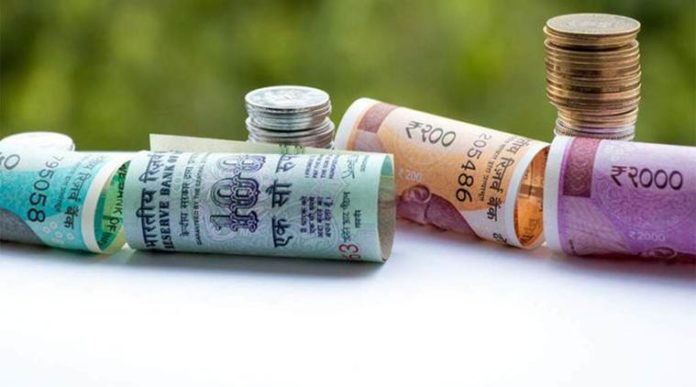
New Delhi (NVI): With an aim to enhance Indian exports at the International markets, the government today approved the scheme for Remission of Duties and Taxes on Exported Products (RoDTEP) for exporters.

Under this scheme, a mechanism would be created for reimbursement of taxes/duties/levies, at the central, state and local level, which are currently not being refunded under any other mechanism, but which are incurred in the process of manufacture and distribution of exported products, the Cabinet Committee on Economic Affairs said in a statement.

To make Indian exports cost-competitive and create a level playing field for exporters in the International market, this scheme is going to give a boost to the domestic industry and Indian exports, the statement added.

“Items will be shifted in a phased manner from existing scheme MEIS to RoDTEP with proper monitoring & audit mechanism,” CCEA said adding the refunds under the RoDTEP scheme would be a step towards “zero-rating” of exports, along with refunds such as Drawback and IGST.

It added, “This would lead to cost competitiveness of exported products in international markets and better employment opportunities in export-oriented manufacturing industries.”

In line with the vision of Prime Minister, various export-oriented industries are being reformed and introduced to better mechanisms so as to increase their productivity, boost exports and contribute to the overall economy.

Under the Scheme, an inter-ministerial Committee will determine the rates and items for which the reimbursement of taxes and duties would be provided. In line with “Digital India”, refund under the Scheme, in the form of transferable duty credit/electronic scrip will be issued to the exporters, which will be maintained in an electronic ledger. The Scheme will be implemented with end to end digitization, the statement added.

Schools, malls closed in Jammu till Mar 31 to combat corona

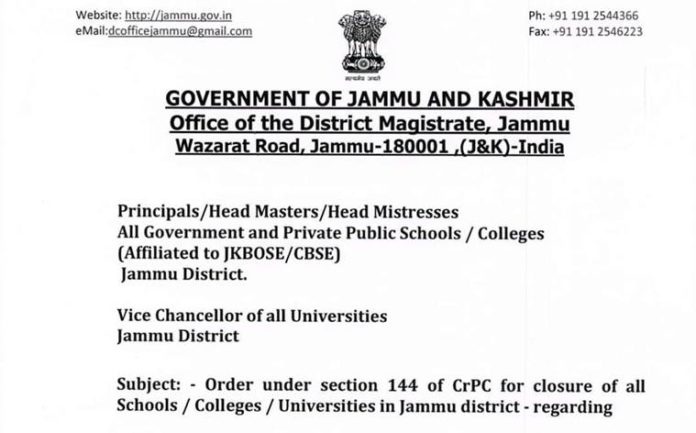
Jammu (NVI): The Jammu administration today ordered the closure of all shopping malls, gyms, swimming pools, recreational clubs in the district with immediate effect as a precautionary measure against coronavirus.

Section 144 has been imposed in Jammu to prevent people from gathering at such public places. The order shall remain in effect till March 31.

“District Magistrate Jammu, in exercise of power vested under Section 144 CrPc, has ordered closure of all shopping malls, gyms, swimming pools, recreational clubs in district Jammu with immediate effect. This order shall remain in effect till 31st March, 2020. Any violation of this order shall invite action under Indian Penal Code,” said an official statement.

However, the order, signed by Jammu District Magistrate Sushma Chauhan, stated that Board and competitive exams in the district shall be held as per schedule.

J&K: 2 test positive for corona, 159 complete surveillance

JAMMU (NVI): Two persons have been tested positive for coronavirus in Jammu and Kashmir so far while 159 people have completed a 28-day surveillance period, the UT administration said a statement here, today.

At least 1,743 travellers and persons in contact with suspected cases have been put under surveillance while 1,485 persons are under home quarantine, the J&K government said in a medical bulletin.

People who are in hospital quarantine stand at 18 while 81 persons are under home surveillance, it added.

Further, the bulletin stated that 85 samples have been sent for testing, of which 77 have been tested as negative and only two cases have tested positive, so far while reports of six cases were till awaited.

As per the latest travel advisory issued by the Central Government, all travellers having travel history to coronavirus affected countries are advised to undergo self-imposed quarantine for a period of 14 days from the date of their arrival.

A home quarantined person has been advised to stay in a well-ventilated single-room preferably with an attached/separate toilet. The administration has also advised people stay away from elderly people, pregnant women, children and persons with co-morbidities within the household.

Home quarantined persons should also restrict his/her movement within the house and under no circumstances attend any social/religious gatherings like weddings and condolences, it added.

“Follow public health measures as per guidelines issued by Ministry of Health & Family Welfare, GoI as this is for the benefit of his/her relatives, friends and population in general,” the advisory reads.

The government has also urged all the social, religious and political organizations to avoid large gatherings. The general public is also strongly advised to avoid going to gymnasiums and swimming pools.

“There is no need to panic, the public is advised to maintain social distancing; avoid unnecessary travel and use of public transport; and also take basic precautions including personal hygiene, frequent handwashing with soap and observing coughing and sneezing etiquettes,” the government advisory reads.

Anyone with fever, cough and difficulty in breathing has been urged to seek medical care at the earliest.

Govt approves construction of 780 km green highway project

highway construction

New Delhi (NVI): The Union Cabinet has approved construction of 780 km Green National Highway Corridor Project at a cost of Rs 7,660 crore.

The project focuses on rehabilitation and upgradation of stretches of various National Highways covering a total length of over 780 km in the States of Himachal Pradesh, Rajasthan, Uttar Pradesh and Andhra Pradesh.

It involves an investment of Rs 7662.47 crore which includes a loan component of Rs 3500 crore (USD 500 Million).

The project will set new standards for Green Highway Projects in the form of green cover, utilization of reusable material in laying roads, etc, the government said in a statement.

The project also includes the maintenance of these National Highways stretches for 5 years/10 years after completion of construction, it added.

Indo-Bangladesh bus, train service to be suspended till Apr 15

Anil Malik

New Delhi (NVI): With the Central Government monitoring the coronavirus situation closely at various levels, the Ministry of Home Affairs today said that Indo-Bangladesh passenger buses and trains will remain suspended till April 15.

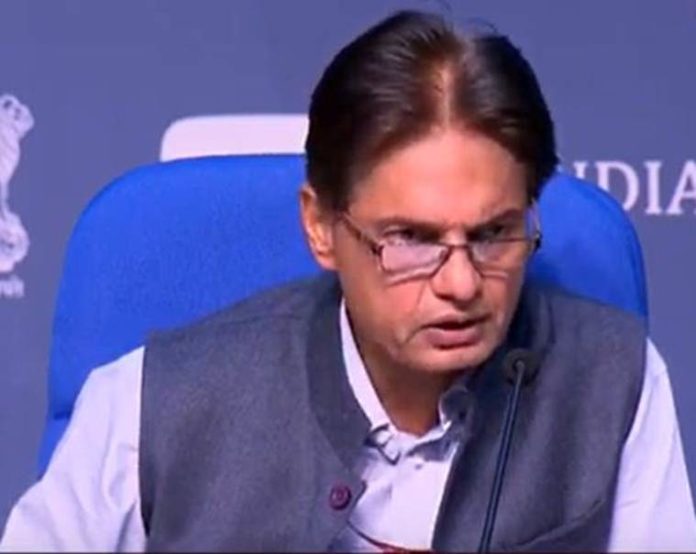
In a special media briefing on COVID-19 here today, Anil Malik, Joint Secretary from MHA said that along India-Nepal border, 4 check posts will remain open as a preventive measure in the wake of pandemic situation. However, goods train services between the two nations will continue.

For Bhutan and Nepal nationals, visa-free entry will continue, he said.

Apart from this, Malik said that the Government has decided to allow the State Government to use SDRF (State Disaster Response Fund) for fighting coronavirus.

International traffic is allowed only from 19 check post out of 37, he said while informing about various measures taken by the Government to tackle the deadly virus outbreak.

Cabinet approves 4% hike in Dearness Allowance

New Delhi (NVI): The Union Cabinet meeting chaired by Prime Minister Narendra Modi, has approved a 4 per cent hike in dearness allowance (DA) for central government employees, which are effective from January 1, 2020.

Union Minister Prakash Javadekar today said that an additional instalment of Dearness Allowance (DA) to Central Government employees and Dearness Relief (DR) to pensioners will be released.

The Dearness Allowance has been raised from 17 per cent of the Basic Pay/Pension to compensate for price rise to 21 per cent.

Javadekar noted that 48 lakh employees, 65 lakh pensioners and 1.13 crore families will benefit from the hike.

The Cabinet Committee has also approved an additional spend of Rs 14,595 crore on the hike in DA, Javadekar added.

The increase is in accordance with the accepted formula, which is based on the recommendations of the 7th Central Pay Commission.

Coronavirus: DGCA asks airlines to waive off cancellation charges

Representative photo.

New Delhi (NVI): Amid the coronavirus outbreak and travel advisories issued by several countries, DGCA today advised the airlines to waive ticket cancellation and reschedule charges. The civil aviation regulator has also asked airlines to look at providing any other incentive.

In a statement, the DGCA said that at this time aviation industry is facing serious challenges as the flights are being curtailed, cancelled and disrupted almost on a daily basis in the view of the unfolding severe impact of COVID-19.

The passengers are also facing the brunt as their travel plans are also getting hit and disturbed, the aviation regulator said in a circular adding, “It would be appropriate if airlines support their passengers in this tough time by waiving off cancellation, reschedule charges or by providing any other incentive.”  

“In light of hardship faced by passengers, airlines may like to consider and take an appropriate call, accordingly,” the statement added.  

J&K: Freed Abdullah wants others to be released too

Mubashir Bukhari

Srinagar (NVI): Hours after the Jammu and Kashmir administration revoked the Public Safety Act (PSA) against former Chief Minister Farooq Abdullah, he said he would not speak on political matters until everyone else is released.

In his first address to media here since his detention under the PSA in August last year, Abdulah said, “Today I don’t have words. I am free. Now, I will be able to go to Delhi and attend Parliament and speak for all.”

Abdullah, the leader of National Conference, addressed Kashmir as a ‘state’ repeatedly in his first address. “I am free, I am free, I hope my people will also be free,” he said in a brief address from the rooftop of his residence here.

“Freedom is not complete until leaders, including Omar, Mehbooba Mufti and other detained in the state or other parts of the country are released,” he said.

Abdullah walked out of his Gupkar residence today, seven months after he was put under preventive detention following the abrogation of Article 370 by the Central Government, in August last year.

Activist who ran across the US for plastic pollution awareness

Sam Bencheghib concluding his run by jumping into the Pacific Ocean.

New Delhi (NVI): Step by step, 22-year-old Sam Bencheghib is on a journey to spread awareness on ocean plastic pollution. The young activist recently ran over 3,000 miles across the United States recently to make people believe in how small steps taken in the right direction can rid the world of plastic waste

On July 26, 2019, Sam asked a crowd of friends, supporters and media gathered around him, to take two deep breaths as a reminder of the importance that the oceans have in giving life, says a report by UN environment programme.

Freshly graduated from college, Sam Bencheghib, embarked on a cross country trek to raise awareness on the major environmental issue.

Bencheghib embarked upon a 3,100-mile run across the United States of America from coast to coast. He ran on an average 20 miles per day for six months, running from New York City to Los Angeles. The journey took him across 13 states, through mountains, fields, dirt roads and highways. He withstood scorching heat at some points and icy air at others.

Growing up in Bali, Bencheghib and his siblings Gary and Kelly were directly confronted with the impact that plastic pollution has on the environment. According to Gary Bencheghib, “It was everywhere and you could not look away from it.”

Barely, teenagers, they founded Make a Change Bali (now Make a Change World)—a youth-led environmental organization with the goal of cleaning the coastlines.

Bencheghib’s Make a Change World project is in line with the United Nations Environment Programme’s (UNEP) Clean Seas campaign, whose goal is to galvanize change amongst all stakeholders.

The campaign encourages people to reduce plastic consumption by reusing existing plastics, pushing for innovation in the plastic supply chain and moving towards circularity.

The Ocean2Ocean run was designed to raise awareness about the prevalence of plastic pollution, to instigate action and to learn about the challenges that the United States faces in reducing its plastic footprint.

Bencheghib ensured that his challenge was not contributing to the plastic problem by running with shoes made from upcycled plastic trash. He also shopped with zero-waste packaging along the journey, bringing refillable containers to stores and eating from recyclable tins instead of single-use plastic containers. He also collected plastic trash as he ran, keeping it with him until he found somewhere to recycle it in his support campervan (whom he affectionately referred to as Jenny).

Along his journey, he met with over 9,000 people to discuss the issue. He visited universities, schools, recycling facilities, environmental activists and governments. He learned that the plastic pollution problem is not visible to all, but it is everyone’s problem.

If we are to solve the issue, we need a change from all—policymakers, producers, consumers, educators and youth.

UNEP’s Head of Public Advocacy and Communication Atif Butt said, “Sam Bencheghib’s epic run through 13 states, mobilizing governments, young people and the general public to fight against plastic pollution, is an inspiring feat. If Sam can run for 3,055 miles for a healthier ocean, each of us can certainly make small efforts to challenge ourselves to do more for the environment in our day-to-day lives. From using a reusable bottle to refusing plastic straws, there are so many things that we could and should be doing that don’t require us to break a sweat!”

On February 1, 2020, after running 117 marathons, Sam Bencheghib concluded his run by jumping into the Pacific Ocean. “It’s hard to put into words what finishing this 3,055-mile journey across America and jumping into the Pacific Ocean feels like,” he said. “Although there were so many obstacles along the way, this run has taught me so much about the plastic industry in this country and the lack of awareness, education and action going on when it comes to plastic.”

World Sleep Day: Are you sleeping enough?

New Delhi (NVI): World Sleep Day is observed across the world every year on the Friday before Spring Vernal Equinox of each year. This time, it is being celebrated on March 13, i.e., today.

The annual event, organised by the World Sleep Day Committee, is being observed since 2008, to promote the prevention and management of sleep disorders.

The goal of the day is to raise awareness of sleep disorders and their better understanding and prevention and aims to reduce the burden of sleep problems on society, which threaten the health or quality of life of as much as 45 per cent of the world’s population.

The theme for this year’s World Sleep Day is ‘better sleep, better lives, better planet’.

According to the 2019 Philips Global Sleep Survey, roughly 62 per cent of adults worldwide feel that they don’t sleep well when they go to bed.

Losing just one or two hours of sleep per night can have the same impact on motor and cognitive functions as going without sleep for a full day or two, as per the survey.

Experts have long emphasized that developing good sleeping habits can help to maintain our physical, mental, and emotional well-being.

Ongoing sleep deprivation can also cause severe, long-term health conditions like heart disease and heart failure, weak immune system, high blood pressure, kidney disease, depression, diabetes and obesity.

Drowsiness has been a significant factor in roughly 1,00,000 car accident every year, causing an estimated 1,500 deaths, the survey said.

Sleep deficiency has also been linked to a number of disasters, such as airplane and boat accidents, and even nuclear reactor meltdowns.

The survey said that the human body follows the circadian rhythm─a 24-hour repeating rhythm that operates as an internal clock.

This clock is controlled by two things: external cues such as light and darkness, and internal compounds that trigger and maintain our sleep.

These chemicals work together to keep our sleep and wake cycles in harmony.

While Adenosine slowly builds the desire for sleep throughout the day, Melatonin produces drowsy feelings that signal your body is now ready for sleep, and Cortisol naturally triggers your body to wake up.

While sleep duration can vary greatly around the world, most adults are still not getting enough shut-eye. An average person gets 6.8 hours of sleep on a weeknight, which is significantly lower than the recommended 8 hours.

Here are six factors which affect our sleep:

1. Worry and Stress: Job, family, health, financial, and a myriad of other concerns plague people from all walks of life. Adults living in Canada and Singapore tend to be the most worried.

2. Environment: The physical space where you sleep plays a large role in the quality and duration of your sleep. Nearly 35 per cent of adults fall asleep somewhere other than their bed. Interestingly, Chinese adults are the least comfortable when sleeping, while Japanese adults are the most comfortable, as per the study.

3. Work and School Schedules: Hectic careers and heavy school workloads have a direct and lasting impact on sleeping habits. Many forego sleep in favor of completing work, social, and household responsibilities.

4. Entertainment: In the age of technology, natural rhythms of daytime and nighttime perception have been skewed, especially from the effects of blue light emitted from our device screens.

5. Disruptors: Eating food, or drinking alcohol or caffeine within the last few hours before bedtime can prevent our brains from knowing it’s time to wind down and get ready for sleep. Adults living in the fast-paced developed nations of China, Canada, the United States, and Singapore are the most caffeinated.

6. Health Conditions: Over three-quarters of adults experience at least one health condition that impacts sleep. These include insomnia, sleep apnea─which affects roughly 22 million people in the US alone─snoring, restless leg syndrome (RLS), narcolepsy, and chronic pain.

Here are a few ways in which one can develop good sleeping habits

1. Routine: Wake up and go to bed at the same time each day─even on weekends─to establish a more ingrained rhythm for your body clock and help your brain better prepare for sleep.

2. Exercise: Pick a time of day that suits your schedule and energy levels, and be sure to stick with it. Exercise helps to balance melatonin and cortisol levels throughout the day.

3. Light: Get outside often during the day and reduce the time spent outside at night. Limit screen time at least 30-60 minutes before sleep.

4. Food and Drink: Avoid eating large meals or drinking alcohol or caffeine in the last couple of hours before you go to sleep. Caffeine effects can linger for up to 8 hours, which breaks natural sleep rhythms.

5. Meditation: Recent studies have shown that mind-body treatments for insomnia such as yoga, tai chi, and meditation had positive impacts on improving sleep quality.

6. Comfort: Set the bed for success—keep your room cool and dark, buy a high-quality mattress and comfortable bed linens and use a white-noise machine to help you fall asleep.

MUST READ