
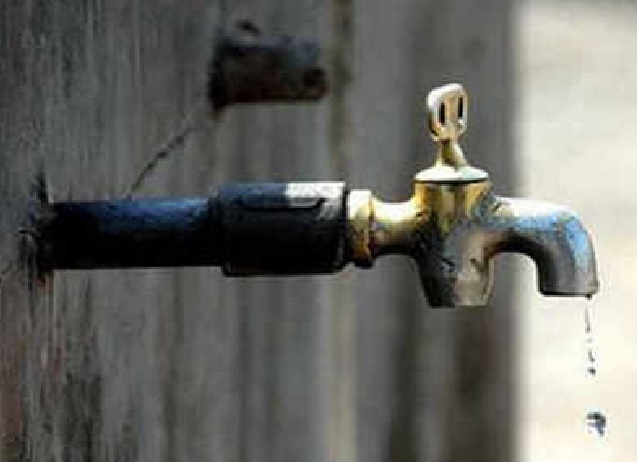
Srinagar, May 9 (NVI): Jammu & Kashmir is staring at a looming water crisis as the Union Territory continues to witness below-normal precipitation for the sixth consecutive month, raising serious concerns over shrinking water resources, agriculture losses, and hydroelectric power generation.
According to official weather data, April recorded only 86.5 mm rainfall against the normal 99.6 mm, marking a 13 percent deficit across J&K. Environmental experts and climate observers have warned that the persistent dry spell could trigger acute water shortages during the peak summer months if immediate conservation measures are not taken.
The impact is already becoming visible in several rural and far-flung areas where fears of drinking water scarcity are growing amid declining water levels in rivers, streams, and natural reservoirs.
Experts said the prolonged rainfall deficit is part of a worrying climate trend, noting that Jammu & Kashmir has now witnessed seven consecutive winters of below-normal precipitation, severely affecting the region’s natural water recharge systems.
The district-wise rainfall figures for April reveal an alarming situation in several Kashmir districts. Shopian recorded the highest rainfall deficit at 67 percent, followed by Kathua at 60 percent and Anantnag at 46 percent. Major shortfalls were also recorded in Kulgam (39%), Pulwama (38%), and Srinagar (32%).
Other districts including Kishtwar, Ganderbal, Bandipora, and Baramulla also remained below normal rainfall levels, further intensifying concerns over water availability.
Meanwhile, a few districts witnessed surplus rainfall during the month. Samba recorded 96 percent excess rainfall, followed by Rajouri (46%) and Reasi (40%). Districts including Jammu, Udhampur, Poonch, Kupwara, Ramban, and Doda also reported rainfall above normal levels.
Experts warned that the uneven rainfall distribution and continuous dry weather could lead to a sharp decline in water discharge in major rivers, including the Jhelum River, directly impacting irrigation and hydroelectric projects across the region.
With climate concerns mounting, calls are intensifying for the administration to implement long-term water conservation policies, strengthen reservoir management systems, and prepare emergency contingency plans to tackle possible shortages across Jammu & Kashmir.(NVI)