Thursday, September 10, 2026
Home Blog Page 1032

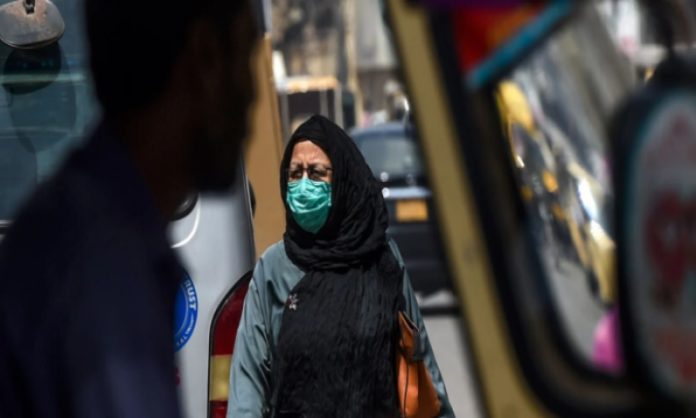
COVID-19: Pakistan govt imposes mini-lockdown in Islamabad

COVID-19: Pakistan imposes mini-lockdown in Islamabad

New Delhi (NVI): Amid the rising coronavirus cases in the country, Pakistani authorities have imposed a mini-lockdown in some areas of the capital, Islamabad, sealing off hot spots to contain the virus.

The government says the restrictions will remain in place until there is an improvement in the situation, according to media reports.

Strict COVID-19 rules have been laid down, making wearing masks compulsory in confined spaces especially in public transport, markets and railways stations.

The authorities have also decided to close all commercial activities including shopping malls, marriage halls, restaurants by 10pm local time with essential services namely hospitals and medical stores allowed to remain open.

Furthermore, similar mini-lockdowns have also been imposed in hot spots of Pakistan’s other major cities, including the southern port city of Karachi, the eastern city of Lahore and the garrison city of Rawalpindi.

The latest development comes hours after Pakistan on Tuesday reported 1,637 new COVID-19 cases and 23 deaths in the past 24 hours.

So far, the country has registered 3,46,476 confirmed cases and 7,000 deaths since February.

-CHK

Startups offering medical equipment & aids for doctors’ safety amid pandemic

Startups offering medical equipments & aids catering to doctors’ safety amid pandemic

New Delhi (NVI): Several start-ups supported by the Department of Science and Technology (DST) are showing the way with digital stethoscopes that doctors can use without touching the patient, oxygen concentrator that can help the hospitals generate their in-house oxygen and portable and app-controlled IoT (Internet of Things) based ventilator system.

These medical equipment are designed in a manner that can keep doctors safe and cater to unique emergency requirements of the COVID 19 crisis.

Taking up the pandemic as a challenge, many Indian medical devices manufacturers and indigenous automation companies came up with innovative designs of ventilators, portable respiratory aids or devices for contactless diagnosis and monitoring of the patients.

Department of Science and Technology (DST), through its Centre for Augmenting WAR with COVID-19 Health Crisis (CAWACH) initiative scouted, evaluated and supported promising ventilator, respiratory aids and other vital medical equipment from 5 companies who have now taken their products to deployment stage, according to a statement released by Ministry of Science & Technology.

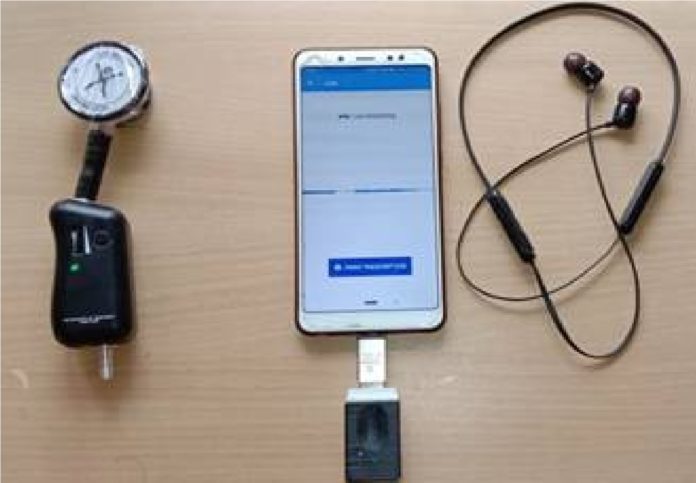
For instance, Ayu Devices incubated at Society for Innovation and Entrepreneurship (SINE), IIT Bombay in 2017 has developed a digital stethoscope that can help doctors listen to heart and lungs sounds while keeping at a safe distance from the patients. The device identifies abnormal sounds and helps diagnose patients.

It is designed as a wireless module to enhance the bluetooth range and help it to be controlled from a distance. While existing digital stethoscope uses smartphone bluetooth, their device works with an additional bluetooth module to increase the range and consistency in the data. It is also, fitted with filters to remove external noise for clear sound making it usable in Indian clinical settings where there is lot of background noise in OPDs. This has enabled doctors to listen to chest sounds while covered in PPEs which is not possible with conventional stethoscope.

They are further scaling up the manufacturing to cater to the increasing need and have successfully commercialised the stethoscope for the telemedicine segment.

Meanwhile, a portable Oxygen Concentrator by Ambala-based WALNUT MEDICAL helps hospitals generate oxygen in-house.

It is an intelligent closed loop system which monitors oxygen level and gives enough oxygen to the patient as per the patient need. This is the first oxygen concentrator made in India and is fitted with automated oxygen flow technology which will prevent patient suffering from hyperoxia.

DST’s timely support helped them push their endeavour forward with 5Ltr and 10Ltr oxygen concentrator models and oximeter as well. Manufacturing of oxygen concentrators requires huge moulds and the support helped them invest on quality moulds to compete against products from Japan, USA and China. IIT Delhi incubation team worked with them to help the technology see the light of the day.

Walnut Medical will be donating 50 Oxygen Concentrators to Govt hospitals by November end and then launch the product in the market.

Next in line is the Pune-based Nocca Robotics, who has developed a ventilator which operates in both invasive and noninvasive, pressure-controlled mode and solar powered with low wattage requirement. It works with medical airline and oxygen as well as ambient air and oxygen and has App based control and IoT enabled system.

A smart ventilation system has been offered by Hyderabad based Aerobiosys Technologies. It is portable, cost-effective, IoT-enabled and powered by lithium ion batteries. It operates uninterrupted for 5 hours and is both invasive and non-invasive, with a smartphone app to control the device. The system displays a real-time information of the breath pattern and other critical lung parameters. It can attach to an oxygen cylinder and can operate on its own in ambient air.

Furthermore, catering to heat diseases, Pune-based Jeevtronics has developed a device called defibrillator that restores normal heartbeat by sending an electric pulse or shock to the heart. It is used to prevent or correct an arrhythmia, a heartbeat that is uneven or that is too slow or too fast. They have developed dual powered defibrillator (grid + hand cranked), as well a battery less defibrillator for sudden cardiac arrest.

SINE, IIT Bombay is the implementation partner for the CAWACH program. Other eight incubation centers from different zones of India and the Indian STEPs and Incubators Association participated in call for applications, review and the selection process.

The supporting Satellite centers are FIIT, IIT Delhi, SIIC, IIT Kanpur, HTIC, IIT Madras, Venture Centre, Pune, IKP Knowledge Park, Hyderabad, KIIT-TBI, Bhubaneswar.

CAWACH Program has been steered by National Science and Technology Entrepreneurship Development Board (NSTEDB) of DST.

Anita Gupta, Head of NSTEDB said, “Bringing in special flexibility and speed in providing support was critical to the timely success of startups.”

DST Secretary Prof. Ashutosh Sharma added, “The present and clear challenges of COVID-19 brought an unprecedented synergy of efforts among academia, labs, startups, industry and government which allowed rapid extraordinary developments with a shared purpose. The lessons learned are being incorporated in the upcoming Science. Technology and Innovation Policy 2020.”

-CHK

Fire at chemical factory in Bengaluru

New Delhi (NVI): A massive fire broke out at a chemical factory situated in Bapuji Nagar in Bengaluru today.

According to the reports, around ten fire tenders are currently present at the spot in Bapuji Nagar near Mahadev school and all of them have been pressed into service to douse the fire.

Four workers who were inside the chemical factory have been rescued by the Fire Brigade officials and no casualties have been reported. But several vehicles have been gutted in the blaze, as per the reports.

The smoke from the blaze also triggered panic among people as the unit was located in the middle of a residential colony. The residents have been finally evacuated safely and all roads to the spot have been blocked.

However, the Byatarayanapura police has been deployed in the area to supervise operation.

The firefighting operations are underway and authorities are trying to ascertain the cause behind the incident.


-RJV

Repeated attempts being made to rake bilateral issues at SCO summit: PM

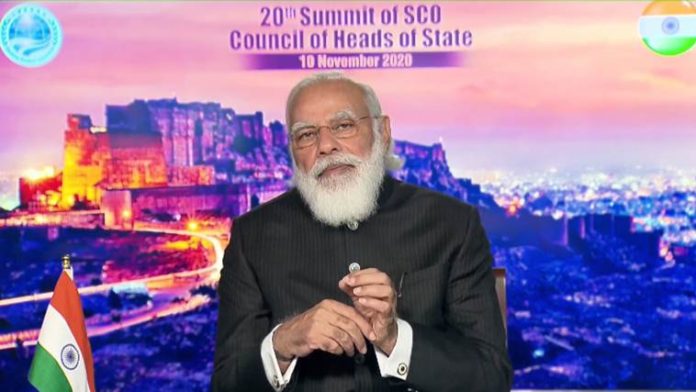
New Delhi (NVI): While addressing a virtual session of the Shanghai Cooperation Organisation today, Prime Minister Narendra Modi said that repeated attempts are being made to bring bilateral issues into SCO agenda which goes against the SCO Charter and Shanghai Spirit.

“India has always been committed to work according to the principles laid out in #SCO charter. It is unfortunate that repeated attempts are being made to unnecessarily bring bilateral issues into the SCO agenda which violate the SCO Charter and Shanghai Spirit,” PM Modi said.

“Such attempts are in contrast with the spirit of consensus and cooperation which define SCO,” the Prime Minister said in his around 9 minutes long speech.

On the occasion, the PM also delivered a stern message to China and Pakistan, saying that all member nations should respect each other’s territorial integrity.

The PM reiterated India’s strong stand against terrorism, drugs and money laundering. “India firmly believes in peace, security and prosperity. We have always raised our voice against terrorism, smuggling of illegal weapons, drugs and money laundering,” PM said.

“India has remained firm in its commitment to work under the SCO as per the principles laid down in the SCO Charter,” he added.

The Prime Minister also said that as the world’s biggest vaccine manufacturer, India will be extending all possible help to other countries to help combat the pandemic. “During the difficult times of pandemic, India pharma industry supplied essential medicines to over 150 countries. As the world’s biggest vaccine manufacturing country, India will use its capacity to help entire humanity in fighting the crisis,” PM said.

He further said that India will participate as a non-permanent member in the United Nations Security Council (UNSC) from 2021. “I expect support from all the SCO member countries,” he said.

Calling for a “reformed multilateralism” that reflects today’s global realities, the PM suggested that countries also discuss topics such as “expectations of all stakeholders, contemporary challenges, and human welfare”.

The PM’s virtual address at the 20th summit of SCO Council of Heads of State comes amid the India-China border tensions. This is the first time that the annual meeting was held virtually due to the coronavirus (Covid-19) pandemic.

Interestingly, this was also the first encounter between PM Modi and Chinese President Xi Jinping since the border stand-off between India and China. The two leaders participated in the virtual interaction at the SCO summit today. Pakistan Prime Minister Imran Khan was also present.

PM Modi will also share a virtual platform with the Chinese President on November 17 for the BRICS meeting and on November 21-22 for the G-20 summit.

Today’s virtual meeting was attended by eight SCO members: Russia, China, India, Pakistan, Kazakhstan, Kyrgyzstan, Tajikistan and Uzbekistan.

-ARK

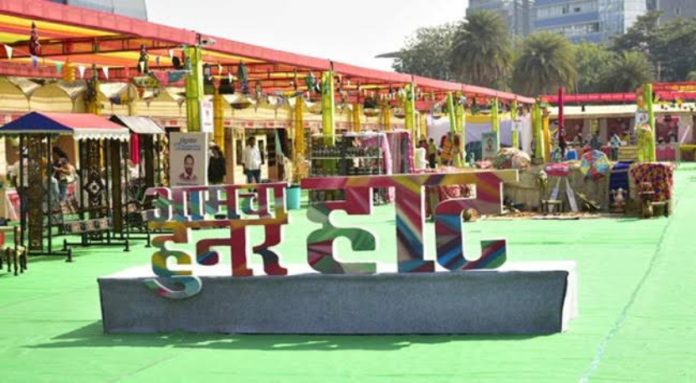
Hunar Haat to restart from tmrw after 7-month gap due to Covid pandemic

Hunar Haat
More than 100 stalls have been set up at this Hunar Haat (File photo)

New Delhi (NVI): After a gap of seven months due to the coronavirus pandemic, ‘Hunar Haat’, a flagship initiative by Ministry of Minority Affair will restart from tomorrow with a theme of “Vocal for Local”.

Union Minister Mukhtar Abbas Naqvi will inaugurate the Hunar Haat, organised at Delhi Haat, Pitampura from November 11 to 22, where indigenous exquisite products made from Maati (clay), Metal and Machiya (wooden & jute products) will be the major attraction.

Naqvi today said that rare exquisite products made from clay, different metals and wooden products, mesmerising pottery work etc. will be available for display and sale at the Haat.

He said that every corner of the country has a traditional and ancestral legacy of indigenous products made with wood, brass, bamboo, glass, cloth, paper, clay etc. “Hunar Haat is an enormous platform providing market and opportunities to master artisans who prepare these indigenous exquisite handmade products,” Naqvi added.

“This legacy, which was on the verge of extinction, has got a boon after Prime Minister Narendra Modi pitched for “Swadeshi”. The Indian indigenous industry has got tremendous boost after the call for “Vocal for Local”, the minister said in a statement.

Naqvi also said, the artisans involved in making these indigenous products are also being extended help through various institutions for attractive packaging of ‘Swadeshi’ products. This is strengthening the mission of Aatma Nirbhar Bharat.

The minister also informed that more than 100 stalls have been set up at this Hunar Haat, including dry flowers from Assam, handloom textiles from Nagaland, toys of different states made from clay, metal etc. all will be available for display and sale.

Besides, people will also enjoy traditional delicacies from Bihar, Maharashtra, Uttar Pradesh, Madhya Pradesh, Jammu-Kashmir, Delhi, Haryana and other places.

Naqvi further said that, Hunar Haat, which has provided employment and employment opportunities to more than 5 lakh Indian artisans, craftsmen, culinary experts and other people associated with them in the last 5 years, have become popular among the people.

It also provides market and opportunity to master artisans and craftsmen from remote areas of the country, has become a credible brand of rare exquisite indigenous handmade products, he added.

So far, the Minority Affairs Ministry has organised more than 2 dozen Hunar Haat across the country where lakhs of artisans, craftsmen have been provided employment and employment opportunities.

In the coming days, Hunar Haat will be organized at Jaipur, Chandigarh, Indore, Mumbai, Hyderabad, Lucknow, India Gate, New Delhi, Ranchi, Kota and Surat/Ahmedabad.

Naqvi also stated, this time, people will also be able to buy Hunar Haat products digitally and online also. The Ministry of Minority Affairs is registering these artisans and their indigenous products on GeM (Government e Marketplace). Also, products of artisans will be available for exhibition and sale at http://hunarhaat.org website.

Meanwhile, the social distancing and other guidelines regarding COVID-19 pandemic will be strictly followed at Hunar Haat, Naqvi said, adding that, lakhs of master artisans and craftsmen from across the country are happy and excited that Hunar Haat is going to be organised again.

-RJV

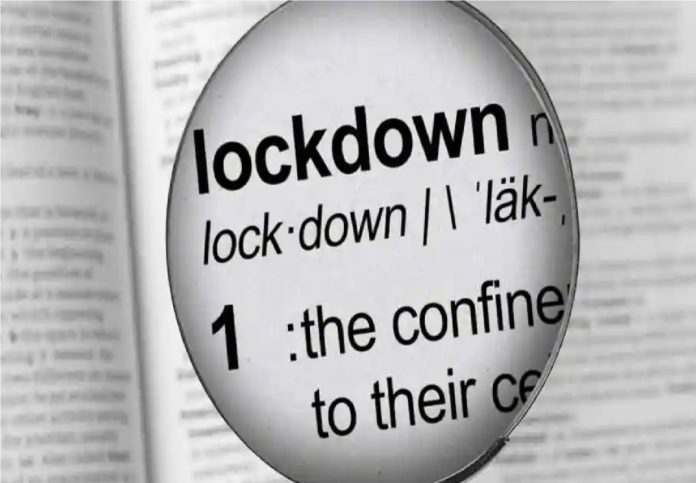
‘Lockdown’ named word of the year by Collins Dictionary

Lockdown

New Delhi (NVI): Lockdown, the noun that has come to define so many lives across the world in 2020, has been named word of the year by Collins Dictionary.

Lockdown is defined by Collins as “the imposition of stringent restrictions on travel, social interaction, and access to public spaces”, and its usage has boomed over the last year.

The 4.5 billion-word Collins Corpus, which contains written material from websites, books and newspapers, as well as spoken material from radio, television and conversations, registered a 6,000 per cent increase in its usage.

In 2019, there were 4,000 recorded instances of lockdown being used. In 2020, this had soared to more than a quarter of a million.

Meanwhile, several other words related to the Covid-19 pandemic, including ‘coronavirus’, have made it to the dictionary’s list of top ten words of the year.

The word ‘coronavirus’ has seen a 35,000-fold increase in use year-on-year in usage. Other words related to the pandemic on the list include ‘social distancing,’ ‘self-isolate’ and ‘furlough’ and ‘key worker(s).’

“Language is a reflection of the world around us and 2020 has been dominated by the global pandemic,” Collins language content consultant Helen Newstead said in a blog post.

She added, “We have chosen lockdown as our word of the year because it encapsulates the shared experience of billions of people who have had to restrict their daily lives in order to contain the virus. Lockdown has affected the way we work, study, shop, and socialise. With many countries entering a second lockdown, it is not a word of the year to celebrate but it is, perhaps, one that sums up the year for most of the world.”

In addition to this, the abbreviation BLM, for Black Lives Matter, also made the shortlist. Defined by Collins as “a movement that campaigns against racially motivated violence and oppression”, it registered a 581 per cent increase in usage.

Previous words of the year for Collins include climate strike in 2019, single-use in 2018, fake news in 2017, and Brexit in 2016.

This year the top 10 included the word Megxit, defined as “the withdrawal of the Duke and Duchess of Sussex from royal duties, announced in January 2020”. Collins said the informal noun, modelled on Brexit, showed “just how firmly established that word now is in our lexicon”.

-CHK

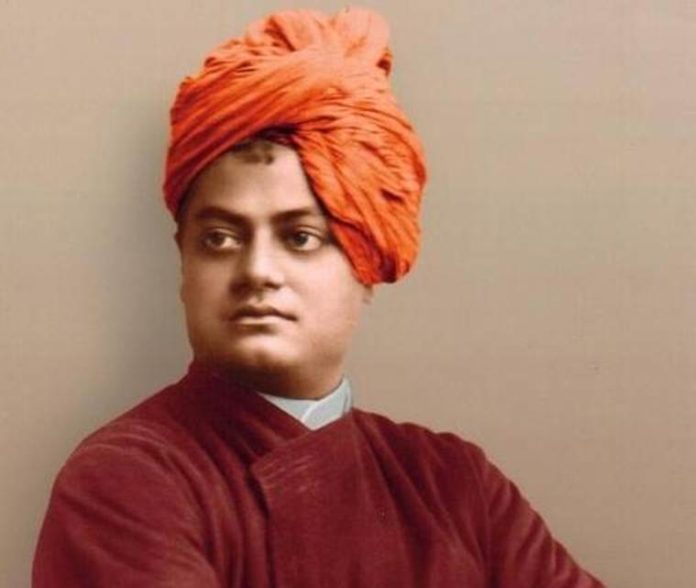
PM to unveil Vivekananda statue at JNU

PM to unveil Vivekananda statue at JNU

New Delhi (NVI): Prime Minister Narendra Modi will unveil the life-size statue of Swami Vivekananda at the campus of Jawaharlal Nehru University on Thursday at 6:30 PM via video conferencing.

Union Minister for Education Ramesh Pokhriyal Nishank will also be present on the occasion, the Prime Minister’s Office said in a release.

The philosophy and the mission of Swami Vivekananda beckon the youth of the country even today, and India feels proud to have had such a great personality who continues to inspire millions across the world, the PMO said.

PM Modi has always said that the ideals of Swami Vivekananda are as relevant today as they were during the life of Swami ji, it said. The Prime Minister himself has often emphasized that serving the masses and empowering the youth of the nation strengthens the country physically, mentally, and spiritually as well as enhances the global image of the Nation.

Prosperity and power of India reside in its people and, therefore, empowering all alone will take the nation towards achieving the solemn goal of a self-reliant India, the PMO said.

-ARK

Renewable power set for record growth this year and next despite COVID-19: IEA

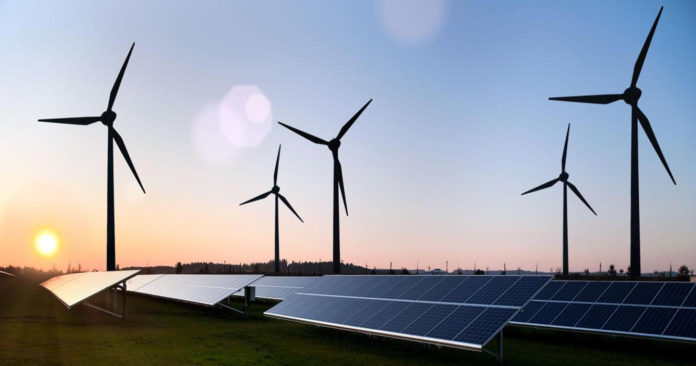
New Delhi (NVI): The renewable power sector is set to witness record growth this year and next, despite COVID-19 crisis in other energy sectors such as oil, gas and coal, according to a report by the International Energy Agency (IEA).

In its renewable report today, the IEA said that new additions of renewable power capacity worldwide will increase to a record level of almost 200 gigawatts (GW) this year. This is nearly 90 per cent of the total expansion in overall power capacity, led by wind, hydropower and solar PV.

The expansion is driven by China and the United States were developers are rushing to take advantage of expiring incentives. Also, wind and solar additions are set to jump by 30 per cent in both the countries, the IEA said.

According to the IEA’s renewables 2020 report, an even stronger growth is to come in 2021. India and the European Union will be the driving forces behind a record expansion of global renewable capacity of nearly 10 per cent next year, which would be the fastest growth since 2015 .

As the result of the commissioning of delayed projects where construction and supply chains were disrupted by the pandemic and growth in markets where the pre-Covid project pipeline was robust.

India is expected to be the largest contributor to the renewables upswing in 2021, with the country’s annual additions doubling from this year.

IEA Executive Director, Fatih Birol, said, “Renewable power is defying the difficulties caused by the pandemic, showing robust growth while others fuels struggle.”

“The resilience and positive prospects of the sector are clearly reflected by continued strong appetite from investors – and the future looks even brighter with new capacity additions on course to set fresh records this year and next,” he added.

In the first 10 months of this year, China, India and the European Union have driven auctioned renewable power capacity worldwide 15 per cent higher than in the same period last year.

The IEA also stressed that, however, policy makers still need to take steps to support the strong momentum behind renewables.

As per the agency report’s main forecast, the expiry of incentives in key markets and the resulting uncertainties lead to a small decline in renewables capacity additions in 2022. But if countries address these policy uncertainties in time, the report estimates that global solar PV and wind additions could each increase by a further 25 per cent in 2022.

The policy decisions in key markets like China, and effective support for rooftop solar PV, are critical factors influencing the speed of deployment. They have impacted by the crisis as households and businesses reprioritised investments, the report said.

Under favourable policy conditions, solar PV annual additions could reach a record level of 150 gigawatts (GW) by 2022, an increase of almost 40 per cent in just three years.

“Renewables are resilient to the Covid crisis but not to policy uncertainties,” said Birol, adding that, governments can tackle these issues to help bring about a sustainable recovery and accelerate clean energy transitions.

The IEA report further estimates that, the electricity generated by renewable technologies will increase by 7 per cent globally in 2020, underpinned by the record new capacity additions.

However, renewables outside the electricity sector are suffering also from the impacts of the COVID-19 crisis, including biofuels used in transport are set to experience their first annual decline in two decades. The net result of these declines and the growth of renewable power is an expected overall increase of 1 per cent in global renewable energy demand in 2020.

“In 2025, renewables are set to become the largest source of electricity generation worldwide, ending coal’s five decades as the top power provider,” Birol added.

-RJV

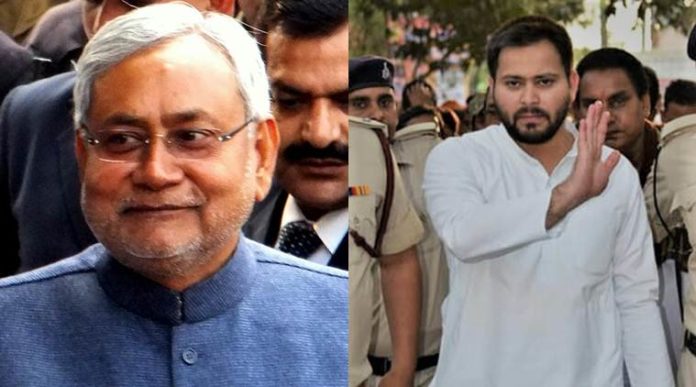
Bihar election results today

Bihar election results today votes counting nitish kumar tejashwi yadav

New Delhi (NVI): Counting of votes for Bihar Assembly elections began this morning amid Covid-19 restrictions. As per the trends, NDA has moved ahead of the RJD-led Mahagathbandhan, crossing the half-way mark of 122 seats needed to secure the majority of seats in Bihar Assembly.

However, there is still time for final results, as only 11 per cent votes have been counted till 11.30 am.

In early leads, Tejashwi Yadav was surging ahead, but later trends showed that Nitish Kumar is likely to be voted to power for a fourth straight term. Of 243 seats, the JDU contested 122 seats, while the BJP contested 121 seats.

-ARK

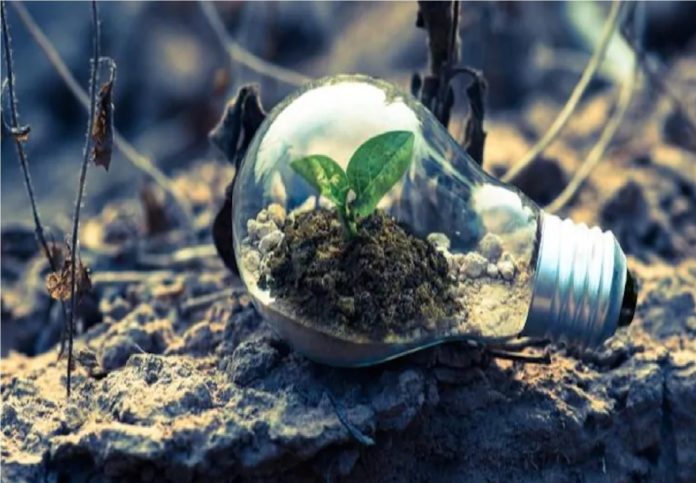
World Science Day for Peace and Development 2020: Significance, theme & history

World Science Day for Peace and Development 2020: Significance, theme & history

New Delhi (NVI): World Science Day for Peace and Development is observed on November 10 every year to raise the importance and relevance of science in our daily lives.

It highlights the significant role of science in society and the need to engage the wider public in debates on emerging scientific issues.

This Day aims to ensure that citizens are kept informed of developments in science. It also underscores the role scientists play in broadening our understanding of the remarkable, fragile planet we call home and in making our societies more sustainable.

As the world is struggling COVID-19 pandemic, the focus of World Science Day is on “Science for and with Society in dealing with the global pandemic.”

Notably, the first World Science Day for Peace and Development was celebrated worldwide on November 10, 2002, under UNESCO auspices. Since its proclamation by UNESCO in 2001, this Day has generated many concrete projects, programs, and funding for science around the world.

The event is the positive outcome of the 1999 World Conference on Science in Budapest. It was considered as an opportunity to reaffirm the commitment to attaining the goals proclaimed in the Declaration on Science and the Use of Scientific Knowledge every year. It was also required to follow up on the recommendations of the Science Agenda: Framework for Action.

-CHK

MUST READ